Professional Manufacturer of Biomagnetic Beads


How Silica Magnetic Beads Power Precision Influenza A Diagnosis?
Foreword
As fever clinics see long queues again, the challenge of quickly pinpointing the true culprit from a mix of symptoms is met with a silent, precise battle waged in laboratories by silica-based magnetic beads. With many regions in China entering a peak influenza season, CDC surveillance data indicates a consistently high virus positivity rate among influenza-like illness cases.
Facing the rapidly spreading Influenza A, fast and accurate early diagnosis is not only a prerequisite for precise clinical treatment but also a critical line of defense in blocking outbreak spread. However, traditional detection methods have their limitations: while antigen tests are fast, they are prone to “false negatives” in early infection stages due to insufficient viral load; meanwhile, the cumbersome nucleic acid extraction process prior to PCR, the “gold standard” technique, becomes a bottleneck for speed.
1. The Diagnostic Dilemma
The current Influenza A outbreak is characterized by its wide reach and rapid transmission. Under intensive screening demands, the conflict between detection sensitivity and timeliness is becoming increasingly apparent. Antigen tests may miss cases due to low viral load, delaying optimal treatment. For samples with low virus concentration, even rapid nucleic acid extraction methods carry a risk of missed detection, failing to meet the requirements of precise prevention and control. Therefore, the core breakthrough for enhancing the entire molecular diagnostic chain’s efficiency lies in how to efficiently and purely capture minute amounts of viral nucleic acid from complex clinical samples.
2. The Technological Core: How Silica-Based Magnetic Beads “Magnetically Catch” the Virus
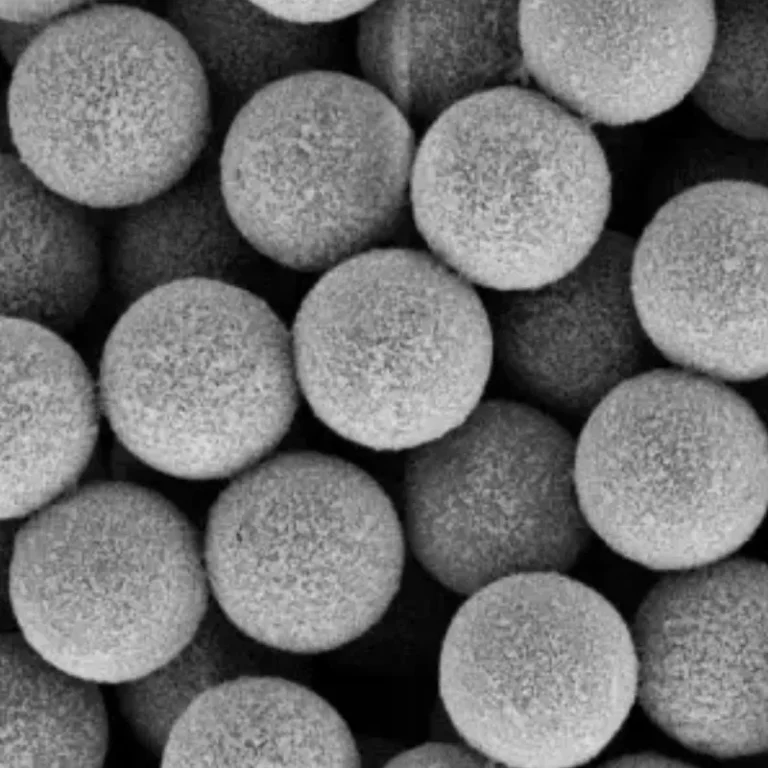
Silica-based magnetic beads are a sharp tool to solve the above challenges. They are nanoscale tools of precise design, typically composed of a superparamagnetic iron oxide (Fe₃O₄) core and a functionalized silica shell. Their working principle is akin to a “magnetic fishing rod.” In specific chemical buffers, the abundant active groups like silanol (Si-OH) on the bead surface can specifically adsorb and firmly bind viral RNA. Subsequently, with the aid of a simple external magnetic field, the nucleic acid-bound beads can be rapidly separated within seconds from complex impurities like sample lysate, proteins, and cellular debris. This process is fully enclosed and highly automated, fundamentally avoiding aerosol contamination and shortening the traditional nucleic acid extraction and purification process—which could take hours—to a matter of minutes.
3. The Application Frontier: Precision Power in Diverse Scenarios
The value of silica-based magnetic beads extends far beyond traditional nucleic acid extraction. Through diversified surface modifications, they now empower various cutting-edge detection platforms, comprehensively enhancing Influenza A diagnostic capabilities.
- At the Nucleic Acid Level: Automated microfluidic chip systems based on the magnetic bead method stand out. One innovative technology integrates the entire extraction and amplification process on a chip, requiring only 10 minutes for pre-processing, while enabling highly sensitive simultaneous screening for 21 respiratory pathogens, including influenza viruses.
- At the Antigen/Protein Level: Silica-based magnetic beads also shine. Researchers have developed magnetic bead-nanoenzyme-linked immunoassays, using silica-coated beads to efficiently enrich the virus combined with nanozyme signal amplification, achieving ultra-high sensitivity detection visible to the naked eye.
- At the Point-of-Care Testing Level: The introduction of silica-based magnetic beads changes the game. Taking the classic lateral flow immunoassay strip as an example, replacing traditional colloidal gold with magnetic beads as the label and combining it with smartphone image analysis can increase the detection sensitivity for Influenza A virus by a hundredfold, enabling the identification of early-stage infections with extremely low viral concentration.
4. Product Introduction
Shanghai Lingjun Biotechnology Co., Ltd. develops various models of silica-based magnetic beads widely applicable in pathogenic disease diagnosis. This technology offers extremely high detection sensitivity, enabling rapid screening in early infection stages and securing valuable time for disease control and prevention. The 16 Series magnetic beads developed and produced by Shanghai Lingjun exhibit excellent magnetic saturation strength and suspension stability, with multiple particle sizes available.
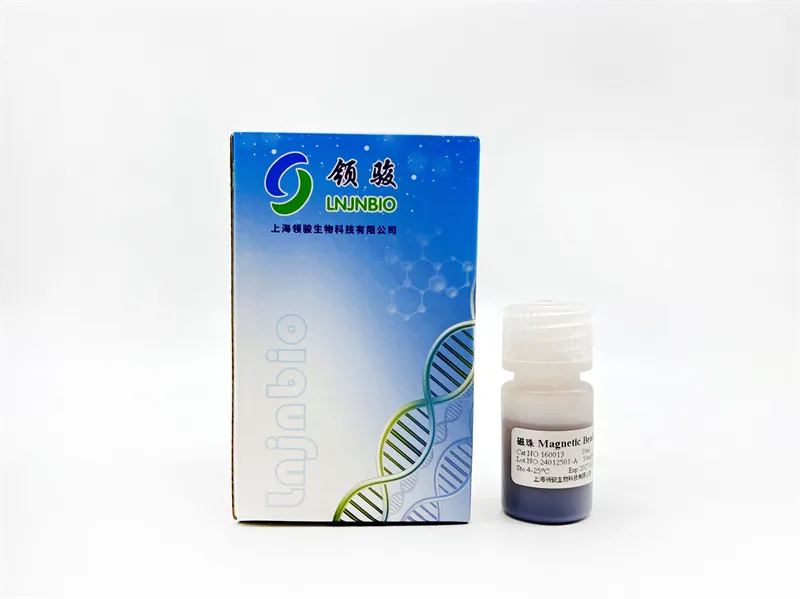
Table 1: Shanghai Lingjun 16 Series Silica Magnetic Beads Product Parameters
| No. | Product Code | Product Name | Functional Group | Particle Size | Solid Content | Specifications (Available Sizes) |
| 1 | 160011 | Silica Magnetic Beads | Si-OH | 800nm | 50 mg/mL | 2mL, 10mL, 50mL, 500mL, 1000mL |
| 2 | 160013 | Silica Magnetic Beads | Si-OH | 1.2 µm | 50 mg/mL | 2mL, 10mL, 50mL, 500mL, 1000mL |
| 3 | 160014 | Silica Magnetic Beads | Si-OH | 2 µm | 100 mg/mL | 2mL, 10mL, 50mL, 500mL, 1000mL |
| 4 | 160024 | Silica Magnetic Beads | Si-OH | 1.4 µm | 100 mg/mL | 2mL, 10mL, 50mL, 500mL, 1000mL |
| 5 | 160019 | Silica Magnetic Beads | Si-OH | 4 µm | 200 mg/mL | 2mL, 10mL, 50mL, 500mL, 1000mL |
5. Future Trends: Towards Intelligence and Multiplexing
The evolution of diagnostic technology never ceases. Due to their excellent surface modifiability and stable performance, silica-based magnetic beads are integrating with more cutting-edge technologies. Combining functionalized magnetic beads with AI algorithms enables automated and high-precision result interpretation through in-depth analysis of detection signals, achieving accuracy rates over 96%. Simultaneously, using beads with different surface chemistries to capture multiple targets concurrently, achieving “one test, multiple identifications” for Influenza A, B, and other respiratory pathogens, has become a reality, which is crucial for guiding precise clinical medication. These trends collectively point to a future of faster, more accurate, smarter, and more convenient pathogen diagnosis. High-performing, stable, and reliable silica-based magnetic beads are precisely the foundational material building this future diagnostic system.
Supplier
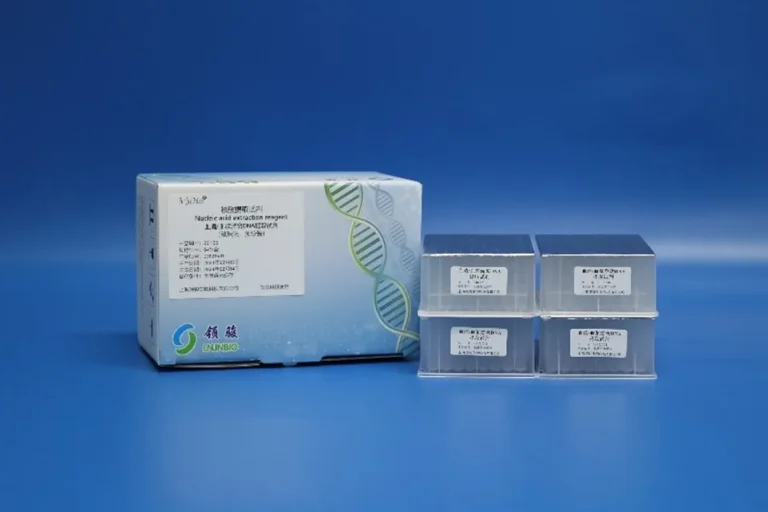
Shanghai Lingjun Biotechnology Co., Ltd. was established in 2016 which is a professional manufacturer of biomagnetic materials and nucleic acid extraction reagents.
We have rich experience in nucleic acid extraction and purification, protein purification, cell separation, chemiluminescence, and other technical fields.
Our products are widely used in many fields, such as medical testing, genetic testing, university research, genetic breeding, and so on. We not only provide products but also can undertake OEM, ODM, and other needs. If you have a related need, please feel free to contact us .