உயிர் காந்த மணிகளின் தொழில்முறை உற்பத்தியாளர்


டிஎன்ஏ துண்டு தேர்வு திறன்: சிலிக்கா காந்த மணி உள்ளீடு மற்றும் விகிதங்களை மேம்படுத்துதல்
In silica-based magnetic bead DNA fragment selection experiments, திbead input volume (அதாவது, the bead-to-sample ratio) is one of the most critical practical variables determining experimental success or failure. It is not a fixed recipe but a precise parameter requiring dynamic optimization based on sample characteristics. An improper ratio can lead to loss of target fragments, reduced resolution, or co-purification of impurities. This article delves into the underlying principles and provides a rigorous, reproducible optimization strategy.
1. மையக் கொள்கை: Why is the Ratio So Critical? – Balancing “Binding Capacity” மற்றும் “Selectivity”
Silica-based magnetic beads reversibly bind DNA via surface silanol groups in a PEG/high-salt environment, exhibiting length-dependent binding behavior. The amount of beads used directly affects two core parameters:
Total Binding Capacity: The amount of DNA that can be adsorbed per unit mass of beads is limited (பொதுவாக 20-40 μg/mg). Insufficient bead input leads to sample “overloading,” where some DNA fails to bind and is discarded, significantly reducing recovery.
Binding Selectivity: Under non-saturating conditions, there is competition for adsorption on the bead surface among DNA fragments of different lengths. Excess beads can cause non-specific adsorption of short fragments (எ.கா., ப்ரைமர் டைமர்கள்) that should be eliminated, leading to decreased product purity, “tailing” of the selection window, and worsened resolution.
எனவே, the goal of optimization is to find the equilibrium point that ensures near-complete binding of the target fragments while maximally suppressing non-specific adsorption of short fragments.
2. உகப்பாக்கம் உத்தி: How to Determine the Optimal Bead-to-Sample Ratio?
The optimal ratio depends on the target fragment size மற்றும் தி total DNA amount and length distribution of the sample. Below is a systematic adjustment strategy:
படி 1: Determine the Total DNA Amount of the Starting Sample
Accurately measure the total DNA concentration of the sample to be selected using a fluorescence-based quantitation method Avoid using A260 absorbance, as it is significantly affected by contaminants like free nucleotides and RNA.
படி 2: Establish an Initial Ratio Baseline Based on the Target Fragment Range
The binding efficiency of DNA fragments to beads varies with size. பொதுவாக:
Selecting large fragments (>500 பிபி): Requires stronger binding force; அhigher ratio is recommended (எ.கா., 1.2x – 1.5x of the standard binding ratio from the bead kit protocol).
Selecting small fragments (100-300 பிபி): Requires more precise exclusion of shorter impurities; begin optimization from thestandard ratio or a slightly lower ratio (0.8x – 1.0x).
படி 3: Perform a Ratio Titration Pilot Experiment
This is an indispensable step for obtaining optimal results. Using a fixed sample amount (எ.கா., 1 μg total DNA), perform parallel selection experiments with a gradient of bead input ratios (எ.கா., 0.6x, 0.8x, 1.0x, 1.2x, 1.4x of the standard volume ratio).
படி 4: Evaluate Using the “Gold Standard” and Determine the Optimal Ratio
Analyze the output from each ratio using microfluidic capillary electrophoresis. Evaluate three core metrics:
மீட்பு: Ratio of the target peak area to the corresponding area in the input sample.
Resolution/Peak Width: Whether the output peak is sharp and symmetrical. A narrower peak indicates higher resolution.
தூய்மை: Whether the baseline in the short-fragment region (எ.கா., <100 பிபி) is clean.
திoptimal ratio is typically theminimum ratio point where the recovery of target fragments plateaus and short-fragment impurities are effectively removed.
3. Key Considerations and Advanced Techniques
Impact of Sample Nature: The length distribution of the starting DNA is crucial. உதாரணமாக, selecting a specific range from enzymatically digested genomic DNA may require a different optimal ratio compared to selecting from a cDNA library or fragmented DNA. The latter often contains a large amount of short-fragment competitors and may require a more precise proportion reduction to enhance purity.
Principle of “Fix Sample Amount, Adjust Bead Amount”: During optimization, keep the sample amount constant and vary the bead amount. The reverse approach simultaneously alters sample concentration and the reaction environment, introducing confounding variables.
Compatibility of the Buffer System: The formulation of the bead selection buffers (PEG/salt concentration) is precisely matched to the bead’s surface chemistry. Never mix buffers from different brands or product lines, as this will fundamentally alter the binding kinetics, invalidating the optimization.
Adequacy and Gentleness of Mixing: During the binding step, ensure thorough mixing of beads and sample to maximize contact, but use gentle end-over-end mixing, avoiding vortexing, to prevent shearing of long DNA fragments.
Documentation and Standardization: Once the optimal ratio for a specific experimental system is determined through pilot experiments, document it as a Standard Operating Procedure (SOP) to ensure intra-laboratory reproducibility.
முடிவுரை: From Empirical Guesswork to Data-Driven Precision Control
Transforming the bead input volume from an “empirical fixed value” to a key variable based on sample quantitation and systematic titration optimization is the essential path from competence to excellence. The essence of this process is utilizing the intrinsic physicochemical properties of the tool itself to achieve precise “editing” of nucleic acid molecular populations through accurate parameter control.
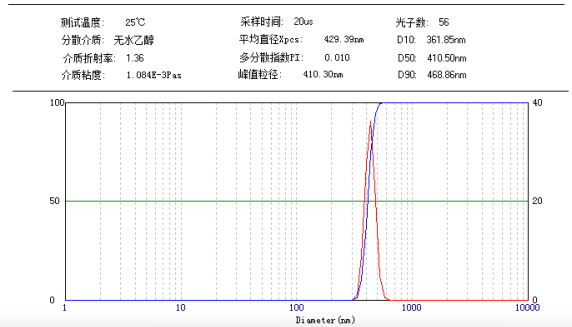
Our providedலிங்ஜுன் FR0012 தொடர் உயர் செயல்திறன் சிலிக்கா அடிப்படையிலான காந்த மணிகள், with their exceptional particle size uniformity (PI < 0.05) and strictly controlled surface chemistry, ensure that during your implementation of the precise ratio optimization described above, you obtainhighly predictable, reproducible, and linearly responsive results, providing a solid and reliable material foundation for your optimization efforts.
சப்ளையர்
ஷாங்காய் லிங்ஜுன் பயோடெக்னாலஜி கோ., லிமிடெட்இல் நிறுவப்பட்டது 2016 உயிர் காந்த பொருட்கள் மற்றும் நியூக்ளிக் அமிலம் பிரித்தெடுக்கும் உலைகளின் தொழில்முறை உற்பத்தியாளர்.
நியூக்ளிக் அமிலம் பிரித்தெடுத்தல் மற்றும் சுத்திகரிப்பு ஆகியவற்றில் எங்களுக்கு சிறந்த அனுபவம் உள்ளது, புரத சுத்திகரிப்பு, செல் பிரிப்பு, இரசாயன ஒளிர்வு, மற்றும் பிற தொழில்நுட்ப துறைகள்.
எங்கள் தயாரிப்புகள் பல துறைகளில் பரவலாகப் பயன்படுத்தப்படுகின்றன, மருத்துவ பரிசோதனை போன்றவை, மரபணு சோதனை, பல்கலைக்கழக ஆராய்ச்சி, மரபணு இனப்பெருக்கம், மற்றும் பல. நாங்கள் தயாரிப்புகளை வழங்குவது மட்டுமல்லாமல் OEM ஐயும் மேற்கொள்ள முடியும், ODM, மற்றும் பிற தேவைகள். உங்களுக்கு தொடர்புடைய தேவை இருந்தால், தயவு செய்து எங்களை தொடர்பு கொள்ளவும் .