Produttore professionale di perline biomagnetiche


Come i fluidi magnetici stanno avanzando nella biomedicina
In 2025, fluidi magnetici, un nuovo materiale funzionale che combina le proprietà dei materiali magnetici solidi con la fluidità dei liquidi, stanno dimostrando notevoli potenzialità applicative e prospettive di mercato nel campo biomedico, sfruttando la loro reattività magnetica unica, biocompatibilità, e controllabilità.
1. Panoramica del mercato e fattori di crescita
Il mercato dei fluidi magnetici sta vivendo una crescita significativa, particolare nelle applicazioni biomediche. Nella biomedicina, i fluidi magnetici possono essere utilizzati in processi come la somministrazione di farmaci, separazione cellulare, e risonanza magnetica. Il mercato globale dei fluidi magnetici è attualmente concentrato in Europa e negli Stati Uniti, con aziende rappresentative tra cui American Elements e FerroLabs negli Stati Uniti. Anche le imprese nazionali cinesi come Jingcheng Electromechanical e Weige Magnetic Fluids stanno compiendo sforzi continui, contribuendo ad aumentare l’ottimismo del settore.
I principali fattori di crescita includono: L’accelerazione della commercializzazione della terapia cellulare (per esempio., CARRELLO, terapia con cellule staminali), che aumenta la domanda di tecnologie come lo smistamento di cellule ad elevata purezza; L’adozione della medicina di precisione, crescente dipendenza da materiali avanzati come i fluidi magnetici per l’immunoterapia del cancro e la ricerca sulle malattie rare; e sostegno politico, come gli obiettivi per la localizzazione delle apparecchiature biomediche delineati nel 14° piano quinquennale della Cina, creare un ambiente favorevole allo sviluppo del settore.
2. Progressi tecnologici fondamentali e applicazioni innovative
In 2025, la ricerca sulla tecnologia dei fluidi magnetici in biomedicina mostra tendenze verso l’intellettualizzazione, miniaturizzazione, e alta precisione.
Nella somministrazione di farmaci e nella terapia mirata, istituzioni come l’Istituto di tecnologia avanzata di Shenzhen, Accademia cinese delle scienze, hanno sviluppato un robot in fibra di gel sanguigno azionato magneticamente. Utilizzando la fibrina del sangue del paziente come materia prima e guidata da un campo magnetico programmabile esternamente, questo robot può effettuare una navigazione precisa in ambienti biologici complessi come il liquido cerebrospinale e somministrare farmaci in siti difficili da raggiungere con i metodi tradizionali, come i tumori intracranici, aprendo nuove strade per la terapia di precisione non invasiva.
Nel campo della Micromanipolazione e della Diagnostica, L'Università di Tsinghua ha sviluppato una piattaforma di controllo programmabile basata su un array di bobine elettromagnetiche capace di operazioni su larga scala, controllo indipendente di robot a gocce di fluido magnetico. Questa piattaforma mostra il potenziale nella microfluidica digitale, codifica delle informazioni, e miscelazione dei fluidi, fornendo una base tecnica per lo sviluppo futuro di nuovi dispositivi microfluidici biomedici (per esempio., organo su chip).
Inoltre, sono stati compiuti progressi significativi nella ricerca applicativa degli idrogel magnetici, un’importante classe di materiali sensibili allo stimolo, in settori quali l’ingegneria dei tessuti, guarigione delle ferite, e risonanza magnetica (risonanza magnetica).
3. Continua espansione delle aree di applicazione
Le applicazioni dei fluidi magnetici si stanno spostando dalla ricerca di base a scenari clinici più ampi:
- Trattamento della malattia: Nella terapia del cancro, i fluidi magnetici possono essere utilizzati per l'ipertermia magnetica (uccidendo le cellule tumorali generando calore tramite un campo magnetico alternato) e somministrazione mirata di farmaci.
- Diagnosi medica: Fungendo da agenti di contrasto per la risonanza magnetica per migliorare la chiarezza dell'immagine e l'accuratezza diagnostica.
- Biotrattamento: Nell'industria biofarmaceutica, apparecchiature che utilizzano la tecnologia della levitazione magnetica (per esempio., pompe senza cuscinetti) può gestire delicatamente cellule sensibili al taglio e agenti biologici, garantendo la qualità del prodotto.
- Assistenza chirurgica: I nuovi dispositivi di ancoraggio dei fluidi magnetici emergenti possono essere utilizzati nelle sale operatorie per fornire un fissaggio stabile e una regolazione flessibile della posizione per le apparecchiature mediche.
4. Sfide e prospettive future
Nonostante le prospettive promettenti, lo sviluppo dei fluidi magnetici in biomedicina deve affrontare sfide. Questi includono: la necessità di una maggiore maturità tecnica, come migliorare la loro stabilità e controllabilità in ambienti biologici complessi; bilanciare i costi e controllare la precisione della produzione su larga scala; Inoltre, affrontare rigorosi processi di approvazione normativa e garantire la biosicurezza sono ostacoli che devono essere superati per l’applicazione clinica.
Guardando avanti, deeper integration of technologies like artificial intelligence and microfluidics with magnetic fluid technology is expected to significantly enhance its application precision and automation level. Contemporaneamente, innovation in the materials themselves, such as developing new composite magnetic fluids, will continuously expand their functional boundaries. In the foreseeable future, magnetic fluids are poised to play a more critical role in cutting-edge fields like precision medicine and regenerative medicine.
Fornitore
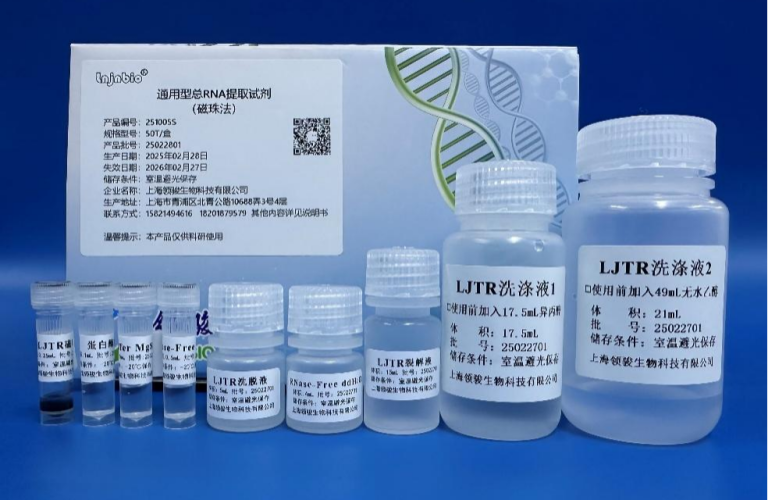
Shanghai Lingjun Biotecnologia Co., Ltd.è stato fondato nel 2016 che è un produttore professionale di materiali biomagnetici e reagenti per l'estrazione degli acidi nucleici.
Abbiamo una ricca esperienza nell'estrazione e purificazione degli acidi nucleici, purificazione delle proteine, separazione cellulare, chemiluminescenza, e altri campi tecnici.
I nostri prodotti sono ampiamente utilizzati in molti campi, come i test medici, test genetici, ricerca universitaria, allevamento genetico, e così via. Non solo forniamo prodotti, ma possiamo anche intraprendere l'OEM, ODM, e altre esigenze. Se hai un'esigenza correlata, non esitate a contattarci .