Produttore professionale di perline biomagnetiche


Come migliorare il rilevamento degli agenti patogeni con le sfere biomagnetiche?
Introduzione
Oggi, approfondiamo il ruolo principale di sfere biomagnetiche nel rilevamento degli agenti patogeni respiratori, non solo migliorano significativamente le prestazioni di rilevamento, ma comportano anche dettagli critici che richiedono particolare attenzione nelle applicazioni pratiche. Diagnosi accurata delle infezioni respiratorie (come l'influenza, COVID 19, ecc.) è vitale per la salute pubblica, e le sfere biomagnetiche sono uno strumento chiave per raggiungere questo obiettivo.
1. In che modo le sfere magnetiche migliorano le prestazioni di rilevamento?
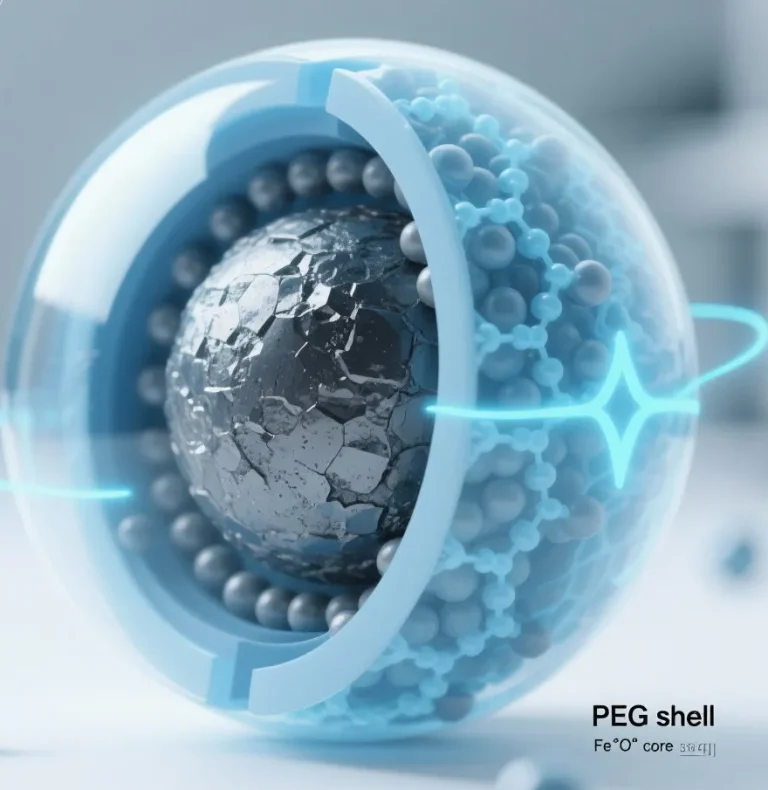
Le sfere biomagnetiche sono microsfere magnetiche funzionalizzate in superficie che raggiungono un arricchimento e una purificazione efficienti degli agenti patogeni legandosi specificamente alle molecole bersaglio (per esempio., acidi nucleici o proteine virali).
Ecco i tre principali vantaggi prestazionali offerti nel rilevamento respiratorio:
1.1 Sensibilità migliorata: Combattere le basse cariche virali
Campioni respiratori (per esempio., tamponi nasofaringei) può contenere livelli molto bassi di agenti patogeni, soprattutto nelle infezioni precoci o nei portatori asintomatici. Sfruttando il loro elevato rapporto superficie-volume e le specifiche capacità di cattura, le sfere magnetiche concentrano tracce di agenti patogeni, aumentando la sensibilità di rilevamento di 10- a 100 volte. Ad esempio, nei test RT-PCR, l'efficienza di estrazione dell'RNA virale dopo la purificazione delle sfere magnetiche è terminata 30% superiore rispetto ai metodi tradizionali, riducendo significativamente il rischio di falsi negativi.
1.2 Specificità migliorata: Riduzione delle interferenze incrociate
La superficie delle sfere magnetiche può essere modificata con varie molecole di cattura (per esempio., anticorpi, sonde di acido nucleico) per ottenere una precisa identificazione. Per esempio:
1.2.1 Perline immunomagnetiche:
Rivestito con anticorpi virus-specifici per catturare direttamente gli antigeni, adatto per il rilevamento rapido.
1.2.2 Estrazione degli acidi nucleici Sfere magnetiche:
Assorbono gli acidi nucleici tramite gruppi silanolici o scambio ionico, rimozione degli inibitori (per esempio., mucine, emoglobina) dai campioni per prevenire falsi positivi della PCR.
Questo legame specifico garantisce risultati di rilevamento altamente affidabili.
1.3 Velocità e automazione: Compatibilità con piattaforme ad alto rendimento
La separazione magnetica delle perle elimina la necessità di centrifugazione, consentendo una rapida separazione del bersaglio direttamente tramite un campo magnetico. Questo: Riduce il tempo di elaborazione del campione a 15-30 minuti (rispetto a 1-2 ore per i metodi tradizionali);
Facilita l'integrazione con apparecchiature automatizzate (per esempio., estrattori di perline magnetiche) per test su larga scala, migliorando notevolmente l’efficienza dello screening durante le epidemie.
2. Considerazioni chiave sul rilevamento: La scienza dell'uso delle perline magnetiche
Nonostante i loro vantaggi significativi, le prestazioni delle sfere biomagnetiche dipendono da operazioni standardizzate. Ecco le considerazioni fondamentali per le applicazioni pratiche:
2.1 Tipo di campione e pretrattamento
- Compatibilità dei campioni: Le sfere magnetiche sono adatte per vari campioni respiratori (tamponi nasofaringei, espettorato, liquido di lavaggio broncoalveolare), ma i protocolli di elaborazione devono essere adattati ai diversi campioni. Per esempio, l'espettorato richiede un pretrattamento di liquefazione per evitare l'intasamento delle tubazioni.
- Prevenire il degrado: I campioni devono essere appena raccolti o adeguatamente conservati (per esempio., a -80°C) per prevenire la degradazione degli acidi nucleici/antigeni dei patogeni.
2.2 Selezione e ottimizzazione delle sfere magnetiche
- Corrispondenza della modifica della superficie: Selezionare sfere magnetiche su misura per l'obiettivo di rilevamento (per esempio., sfere per l'estrazione dell'acido nucleico vs. sfere di immunocattura). Per il rilevamento multiplex, garantire che le combinazioni di sfere magnetiche evitino reattività crociata.
- Dimensione e concentrazione delle particelle: Sfere magnetiche su nanoscala (400-800 nm) sono adatti per l'estrazione dell'acido nucleico, mentre le sfere magnetiche su scala micron (1.2-4 µm) sono migliori per i test immunologici; concentrazioni eccessivamente elevate possono causare legami non specifici, che richiedono un utilizzo ottimizzato.
2.3 Standardizzazione operativa
- Miscelazione accurata: Le sfere magnetiche e i campioni devono essere completamente miscelati per garantire l'efficienza del legame, ma si dovrebbe evitare un'agitazione vigorosa per prevenire danni agli agenti patogeni.
- Eluizione rigorosa: Le fasi di lavaggio devono rimuovere accuratamente le impurità, ma un lavaggio eccessivo può ridurre la resa. Si consigliano sistemi tampone standardizzati.
- Requisiti del campo magnetico: Forti campi magnetici possono accelerare la separazione ma non devono essere esposti per periodi prolungati per evitare l'aggregazione e la rottura delle sfere.
2.4 Controllo qualità e convalida
- Controlli paralleli: Ciascun rilevamento deve includere controlli positivi/negativi per monitorare le prestazioni della biglia magnetica.
- Compatibilità a valle: Gli agenti patogeni estratti devono essere convalidati per la compatibilità con le tecnologie di rilevamento a valle (per esempio., PCR, sequenziamento, o immunocromatografia).
2.5 Limitazioni tecniche
- Dipendenza dai costi e dalle apparecchiature: I reagenti con sfere magnetiche e le apparecchiature automatizzate richiedono investimenti significativi, rendendoli adatti per laboratori centralizzati o screening su larga scala.
- Sfide con campioni complessi: I campioni con un contenuto di muco estremamente elevato possono richiedere un pretrattamento per evitare una ridotta efficienza di legame delle sfere magnetiche.
3. Introduzione al prodotto
Shanghai Lingjun Biotecnologia Co., Ltd. ha sviluppato vari modelli di sfere magnetiche a base di silice ampiamente applicabili nella diagnosi di malattie patogene. Questa tecnologia offre una sensibilità di rilevamento estremamente elevata, consentendo uno screening rapido nelle fasi iniziali dell’infezione e fornendo tempo prezioso per il controllo e la prevenzione della malattia.
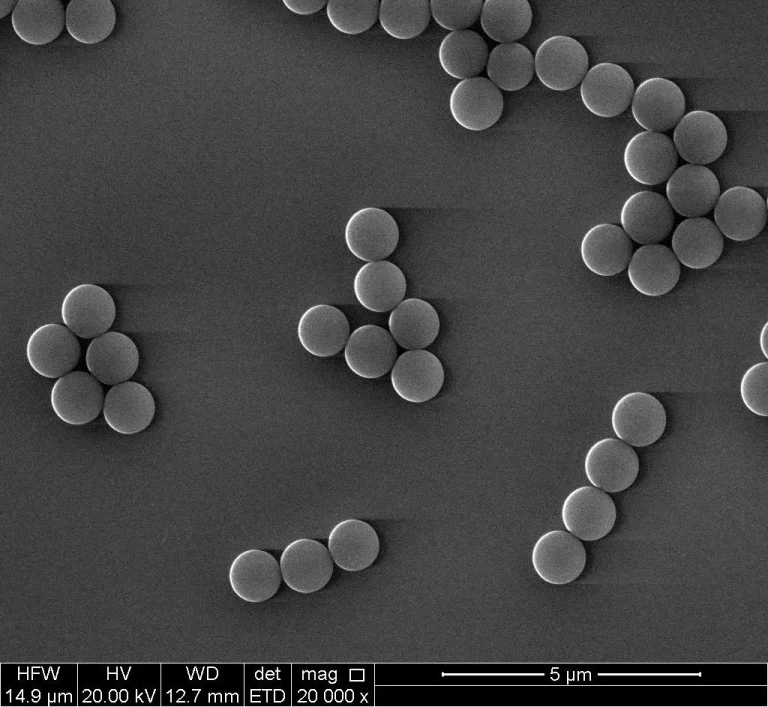
IL 16 Serie e 22 Le perle magnetiche della serie sviluppate e prodotte da Shanghai Lingjun mostrano un'eccellente forza di saturazione magnetica e stabilità di sospensione, con più dimensioni delle particelle disponibili. Presentano tassi di assorbimento elevati, ad esempio, raggiungere oltre 95% recupero del DNA bersaglio a 20 ng/μl, con elevati tassi di adsorbimento per frammenti di DNA/RNA sia grandi che piccoli.
| NO. | Codice prodotto | Nome del prodotto | Gruppo | Dimensione delle particelle | Contenuto solido | Specifiche |
| 1 | 160011 | Perle magnetiche di silice | Si-OH | 800nm | 50mg/ml | 2ml, 10ml, 50ml, 500ml, 1000ml |
| 2 | 160013 | Perle magnetiche di silice | Si-OH | 1.2µm | 50mg/ml | 2ml, 10ml, 50ml, 500ml, 1000ml |
| 3 | 160014 | Perle magnetiche di silice | Si-OH | 2µm | 100mg/ml | 2ml, 10ml, 50ml, 500ml, 1000ml |
| 4 | 160019 | Perle magnetiche di silice | Si-OH | 4µm | 200mg/ml | 2ml, 10ml, 50ml, 500ml, 1000ml |
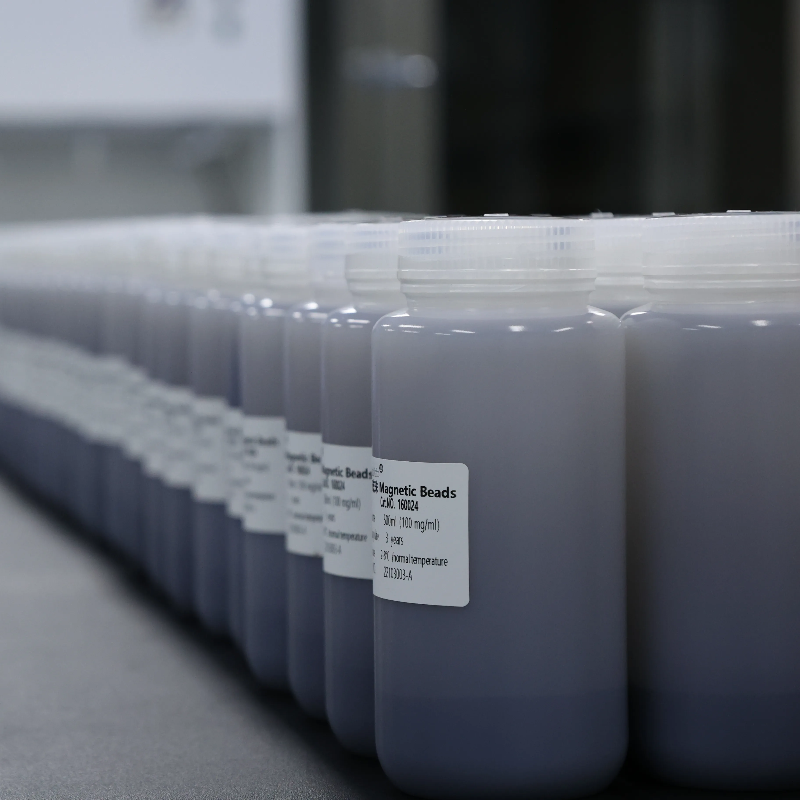
| 5 | 160024 | Perle magnetiche di silice | Si-OH | 1.4µm | 100mg/ml | 2ml, 10ml, 50ml, 500ml, 1000ml |
| 6 | 220011 | Perle magnetiche di silice | Si-OH | 500nm | 50mg/ml | 2ml, 10ml, 50ml, 500ml, 1000ml |
| 7 | 220012 | Perle magnetiche di silice | Si-OH | 400nm | 25mg/ml | 2ml, 10ml, 50ml, 500ml, 1000ml |
4. Conclusione
Migliorando la sensibilità, specificità, ed efficienza, le perle biomagnetiche sono diventate un “standard aureo” strumento per il rilevamento dei patogeni respiratori. Tuttavia, massimizzare le loro prestazioni si basa sulla selezione scientifica, operazioni standardizzate, e un rigoroso controllo di qualità. Crediamo fermamente che solo comprendendo i dettagli tecnici un rilevamento preciso possa salvaguardare veramente la salute.
Se hai domande specifiche sulla selezione della perla magnetica o sugli scenari applicativi, sentiti libero di lasciare un commento! La scienza avanza attraverso lo scambio, e la salute si ottiene attraverso la precisione.
Fornitore
Shanghai Lingjun Biotecnologia Co., Ltd.è stato fondato nel 2016 che è un produttore professionale di materiali biomagnetici e reagenti per l'estrazione degli acidi nucleici.
Abbiamo una ricca esperienza nell'estrazione e purificazione degli acidi nucleici, purificazione delle proteine, separazione cellulare, chemiluminescenza, e altri campi tecnici.
I nostri prodotti sono ampiamente utilizzati in molti campi, come i test medici, test genetici, ricerca universitaria, allevamento genetico, e così via. Non solo forniamo prodotti, ma possiamo anche intraprendere l'OEM, ODM, e altre esigenze. Se hai un'esigenza correlata, non esitate a contattarci .