Fabricante profissional de esferas biomagnéticas


Como melhorar a detecção de patógenos com esferas biomagnéticas?
Introdução
Hoje, nos aprofundamos no papel central de contas biomagnéticas na detecção de patógenos respiratórios - eles não apenas melhoram significativamente o desempenho da detecção, mas também envolvem detalhes críticos que requerem atenção especial em aplicações práticas. Diagnóstico preciso de infecções respiratórias (como a gripe, COVID 19, etc.) é vital para a saúde pública, e as esferas biomagnéticas são uma ferramenta fundamental para atingir esse objetivo.
1. Como as esferas magnéticas melhoram o desempenho de detecção?
Esferas biomagnéticas são microesferas magnéticas funcionalizadas na superfície que alcançam enriquecimento e purificação eficientes de patógenos ligando-se especificamente a moléculas alvo (por exemplo, ácidos nucléicos ou proteínas virais).
Aqui estão três principais vantagens de desempenho que eles oferecem na detecção respiratória:
1.1 Sensibilidade aprimorada: Combatendo baixas cargas virais
Amostras respiratórias (por exemplo, esfregaços nasofaríngeos) pode conter níveis muito baixos de patógenos, especialmente em infecções precoces ou portadores assintomáticos. Aproveitando sua alta relação superfície-volume e recursos de captura específicos, esferas magnéticas concentram vestígios de patógenos, aumentando a sensibilidade de detecção por 10- para 100 vezes. Por exemplo, em testes RT-PCR, a eficiência de extração de RNA viral após o término da purificação do grânulo magnético 30% maior do que com métodos tradicionais, reduzindo significativamente o risco de falsos negativos.
1.2 Especificidade Melhorada: Reduzindo a interferência cruzada
A superfície das esferas magnéticas pode ser modificada com várias moléculas de captura (por exemplo, anticorpos, sondas de ácido nucleico) para conseguir uma identificação precisa. Por exemplo:
1.2.1 Contas imunomagnéticas:
Revestido com anticorpos específicos de vírus para capturar antígenos diretamente, adequado para detecção rápida.
1.2.2 Extração de ácido nucleico Grânulos magnéticos:
Adsorver ácidos nucléicos por meio de grupos silanol ou troca iônica, remoção de inibidores (por exemplo, mucinas, hemoglobina) de amostras para evitar falsos positivos de PCR.
Esta ligação específica garante resultados de detecção altamente confiáveis.
1.3 Velocidade e Automação: Compatibilidade com plataformas de alto rendimento
A separação magnética dos grânulos elimina a necessidade de centrifugação, permitindo a rápida separação do alvo diretamente através de um campo magnético. Esse: Reduz o tempo de processamento de amostras para 15-30 minutos (comparado com 1-2 horas para métodos tradicionais);
Facilita a integração com equipamentos automatizados (por exemplo, extratores de contas magnéticas) para testes em larga escala, melhorando significativamente a eficiência do rastreio durante surtos.
2. Principais considerações na detecção: A ciência do uso de contas magnéticas
Apesar de suas vantagens significativas, o desempenho das esferas biomagnéticas depende de operações padronizadas. Aqui estão as principais considerações para aplicações práticas:
2.1 Tipo de amostra e pré-tratamento
- Compatibilidade de amostra: Esferas magnéticas são adequadas para várias amostras respiratórias (esfregaços nasofaríngeos, escarro, líquido de lavagem broncoalveolar), mas os protocolos de processamento devem ser ajustados para diferentes amostras. Por exemplo, expectoração requer pré-tratamento de liquefação para evitar entupimento de tubulações.
- Prevenindo a Degradação: As amostras devem ser coletadas recentemente ou armazenadas adequadamente (por exemplo, a -80°C) para prevenir a degradação de ácidos nucleicos/antígenos de patógenos.
2.2 Seleção e Otimização de Esferas Magnéticas
- Correspondência de modificação de superfície: Selecione esferas magnéticas adaptadas ao alvo de detecção (por exemplo, esferas de extração de ácido nucleico vs. contas de imunocaptura). Para detecção multiplex, garantir que combinações de esferas magnéticas evitem reatividade cruzada.
- Tamanho e concentração de partículas: Grânulos magnéticos em nanoescala (400-800 nm) são adequados para extração de ácido nucleico, enquanto esferas magnéticas em escala micrométrica (1.2-4 μm) são melhores para imunoensaios; concentrações excessivamente altas podem causar ligação inespecífica, exigindo uso otimizado.
2.3 Padronização Operacional
- Mistura completa: As esferas magnéticas e as amostras devem ser totalmente misturadas para garantir a eficiência da ligação, mas a agitação vigorosa deve ser evitada para evitar danos aos patógenos.
- Eluição Estrita: As etapas de lavagem devem remover completamente as impurezas, mas a lavagem excessiva pode reduzir o rendimento. Sistemas tampão padronizados são recomendados.
- Requisitos de campo magnético: Campos magnéticos fortes podem acelerar a separação, mas não devem ser expostos por períodos prolongados para evitar agregação e falha do cordão.
2.4 Controle de Qualidade e Validação
- Controles paralelos: Cada detecção deve incluir controles positivos/negativos para monitorar o desempenho do cordão magnético.
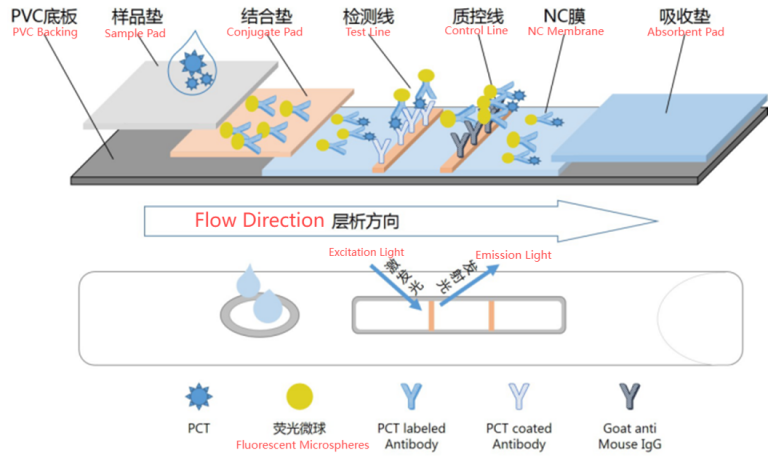
- Compatibilidade downstream: Os patógenos extraídos devem ser validados quanto à compatibilidade com tecnologias de detecção downstream (por exemplo, PCR, sequenciamento, ou imunocromatografia).
2.5 Limitações Técnicas
- Dependência de custo e equipamento: Reagentes de esferas magnéticas e equipamentos automatizados exigem investimentos significativos, tornando-os adequados para laboratórios centralizados ou triagem em larga escala.
- Desafios com amostras complexas: Amostras com conteúdo extremamente alto de muco podem exigir pré-tratamento para evitar a redução da eficiência de ligação do cordão magnético.
3. Introdução do produto
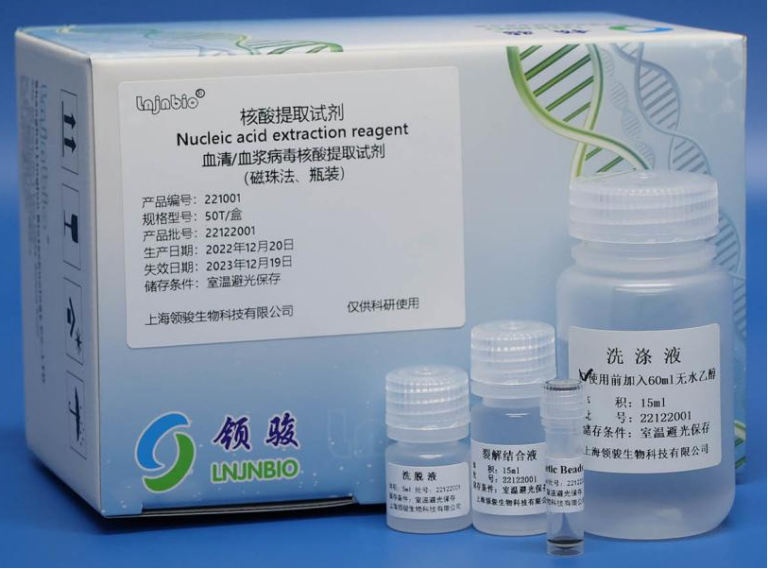
Xangai Lingjun Biotecnologia Co., Ltda. desenvolveu vários modelos de esferas magnéticas à base de sílica amplamente aplicáveis no diagnóstico de doenças patogênicas. Esta tecnologia oferece sensibilidade de detecção extremamente alta, permitindo o rastreio rápido nas fases iniciais da infecção e proporcionando um tempo valioso para o controlo e prevenção de doenças.
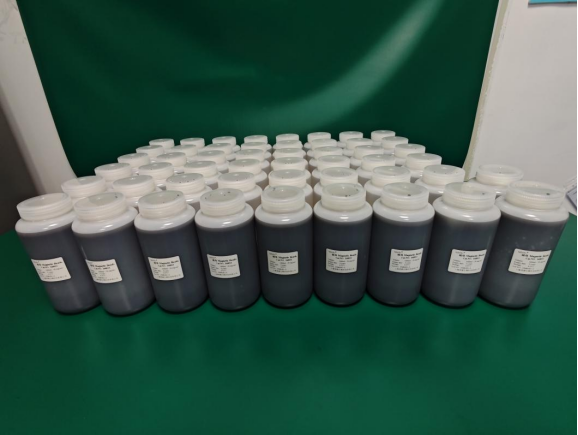
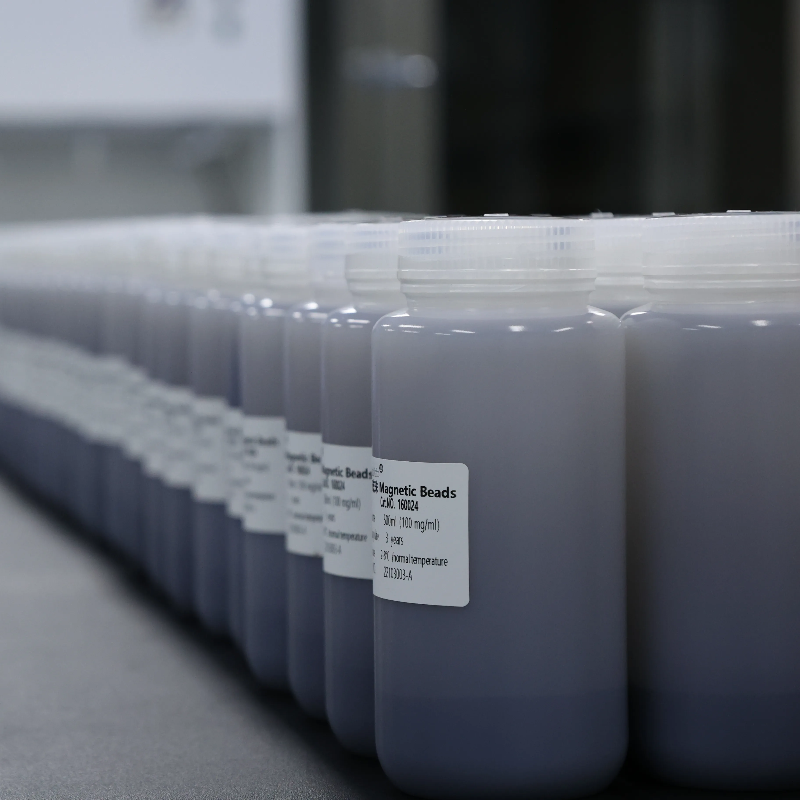
O 16 Série e 22 As esferas magnéticas da série desenvolvidas e produzidas pela Shanghai Lingjun apresentam excelente resistência à saturação magnética e estabilidade da suspensão, com vários tamanhos de partículas disponíveis. Eles apresentam altas taxas de adsorção - por exemplo, alcançando mais 95% recuperação do DNA alvo em 20 ng/μl, com altas taxas de adsorção para fragmentos grandes e pequenos de DNA/RNA.
| Não. | Código do produto | Nome do produto | Grupo | Tamanho de partícula | Conteúdo Sólido | Especificações |
| 1 | 160011 | Grânulos Magnéticos de Sílica | Si-OH | 800nm | 50mg/mL | 2mL, 10mL, 50mL, 500mL, 1000mL |
| 2 | 160013 | Grânulos Magnéticos de Sílica | Si-OH | 1.2µm | 50mg/mL | 2mL, 10mL, 50mL, 500mL, 1000mL |
| 3 | 160014 | Grânulos Magnéticos de Sílica | Si-OH | 2µm | 100mg/mL | 2mL, 10mL, 50mL, 500mL, 1000mL |
| 4 | 160019 | Grânulos Magnéticos de Sílica | Si-OH | 4µm | 200mg/mL | 2mL, 10mL, 50mL, 500mL, 1000mL |
| 5 | 160024 | Grânulos Magnéticos de Sílica | Si-OH | 1.4µm | 100mg/mL | 2mL, 10mL, 50mL, 500mL, 1000mL |
| 6 | 220011 | Grânulos Magnéticos de Sílica | Si-OH | 500nm | 50mg/mL | 2mL, 10mL, 50mL, 500mL, 1000mL |
| 7 | 220012 | Grânulos Magnéticos de Sílica | Si-OH | 400nm | 25mg/mL | 2mL, 10mL, 50mL, 500mL, 1000mL |
4. Conclusão
Ao aumentar a sensibilidade, especificidade, e eficiência, esferas biomagnéticas tornaram-se um “padrão ouro” ferramenta na detecção de patógenos respiratórios. No entanto, maximizar seu desempenho depende da seleção científica, operações padronizadas, e rigoroso controle de qualidade. Acreditamos firmemente que somente através da compreensão dos detalhes técnicos a detecção precisa pode realmente proteger a saúde.
Se você tiver dúvidas específicas sobre a seleção do cordão magnético ou cenários de aplicação, fique à vontade para deixar um comentário! A ciência avança através do intercâmbio, e a saúde é alcançada através da precisão.
Fornecedor
Xangai Lingjun Biotecnologia Co., Ltda.foi estabelecido em 2016 que é um fabricante profissional de materiais biomagnéticos e reagentes de extração de ácido nucleico.
Temos vasta experiência em extração e purificação de ácidos nucleicos, purificação de proteínas, separação celular, quimioluminescência, e outras áreas técnicas.
Nossos produtos são amplamente utilizados em muitos campos, como exames médicos, testes genéticos, pesquisa universitária, melhoramento genético, e assim por diante. Nós não apenas fornecemos produtos, mas também podemos realizar OEM, ODM, e outras necessidades. Se você tiver uma necessidade relacionada, não hesite em contactar-nos .