Produttore professionale di perline biomagnetiche


`Quali sono le differenze tra le perle magnetiche monodisperse e polidisperse?
La distinzione principale risiede nell'uniformità della distribuzione delle dimensioni delle particelle, che porta direttamente a differenze significative nelle loro prestazioni e applicazioni:
Definizioni fondamentali:
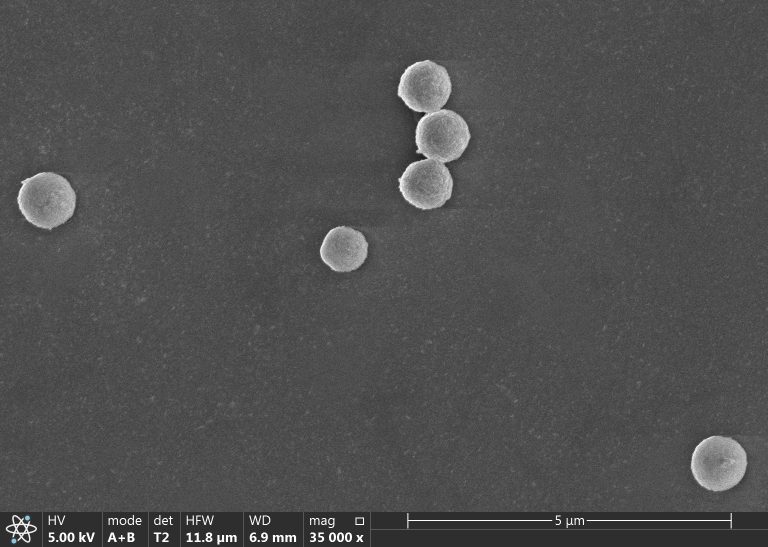
Perline magnetiche monodisperse: Presentano una distribuzione granulometrica molto ristretta. Tipicamente, il loro coefficiente di variazione (CV) è inferiore a 5% (idealmente anche sotto 3%). Ciò significa che le perle hanno dimensioni quasi identiche.
Perline magnetiche polidisperse: Presentano un'ampia distribuzione granulometrica. Il loro CV è significativamente maggiore di 5%, di solito vanno da 10%-30% o superiore. Ciò significa che le dimensioni delle perle variano notevolmente, mostrando una distribuzione continua dal piccolo al grande.
Differenze di prestazioni dettagliate:
Efficienza di separazione/cattura & Specificità:
Monodisperso: L'uniformità delle dimensioni consente livelli più elevati, efficienza e specificità di separazione più riproducibili.
Tutte le particelle mostrano una velocità di risposta magnetica quasi identica in un campo magnetico; il comportamento di assestamento/migrazione è sincronizzato, riducendo il rischio di perdita del bersaglio o di co-cattura del bersaglio.
Modificazione della superficie (per esempio., anticorpi, ligandi di affinità) la densità e l'uniformità sono più elevate e più coerenti, migliorare l’efficienza vincolante e la specificità rispetto agli obiettivi (cellule, proteine, acidi nucleici, ecc.).
L'eccellente coerenza tra batch garantisce un'elevata riproducibilità negli esperimenti o nella produzione.
Polidisperso: L'eterogeneità dimensionale si traduce in una minore efficienza e specificità di separazione con una maggiore variabilità.
Le particelle piccole hanno una risposta magnetica debole e potrebbero non riuscire a catturare/separare in modo efficace; le particelle di grandi dimensioni rispondono rapidamente ma si depositano/migrano velocemente, potenzialmente causando adsorbimento o coprecipitazione non specifica.
La densità di modifica superficiale varia in modo significativo tra particelle di dimensioni diverse, influenzando la capacità legante e la consistenza.
Le variazioni da lotto a lotto possono portare a risultati instabili.
Tuttavia, Anche le perle multi-disperse hanno i loro vantaggi unici:
1. Vantaggi economici significativi
Processo di produzione semplice:
Le perle polidisperse vengono generalmente prodotte tramite metodi di coprecipitazione o emulsione, che comportano minori barriere tecniche e costi delle attrezzature. Ciò rende la produzione su larga scala molto più economica rispetto alle perle monodisperse (che richiedono tecniche di precisione come la microfluidica).
Elevato utilizzo di materie prime:
L'ampia distribuzione dimensionale consente una maggiore tolleranza di produzione, ridurre gli sprechi e abbassare ulteriormente i costi unitari.
Scenari applicabili:
Ideale per screening ad alta produttività sensibili al budget (per esempio., test epidemiologici) o estrazione di acido nucleico grezzo su scala industriale (per esempio., lavorazione delle materie prime nella produzione di biocarburanti).
2. Forte tolleranza per l'elaborazione di campioni di grandi dimensioni
Resistenza alle interferenze delle impurità:
IL “effetto sfumato” dalle diverse dimensioni delle perle si adatta a campioni complessi (per esempio., suolo, feci, tessuti degradati). Le grandi sfere si depositano rapidamente per catturare lunghi frammenti di acido nucleico, mentre piccole perle assorbono frammenti corti/acidi nucleici liberi, minimizzare il legame competitivo dovuto alle impurità.
Elevata capacità di carico flessibile:
L'ampia distribuzione dimensionale fornisce una maggiore superficie totale, consentendo una gestione efficace delle concentrazioni fluttuanti di acido nucleico (per esempio., carichi molto alti/bassi) senza regolazioni precise della quantità di perline.
3. Vantaggi di cattura rapida e gamma dinamica
Efficienza di cattura frazionata:
Le velocità di risposta magnetica differenziale creano a “gradiente temporale”:
Perle grandi (>1 µm): Sedimentazione rapida, catturando preferibilmente frammenti lunghi di DNA/DNA genomico dell'ospite.
Piccole perle (<200 nm): Migrazione lenta, adsorbendo in modo efficiente RNA corto/acidi nucleici liberi.
Scenari applicabili:
Estrazione simultanea di più tipi di acidi nucleici (per esempio., acidi nucleici totali) o l'elaborazione di campioni degradati/frammentati (per esempio., Tessuti FFPE, esemplari archeologici).
4. Ottimizzazione delle prestazioni in scenari specializzati
Gestione dei campioni ad alta viscosità:
Gli aggregati irregolari formano a “effetto netto di filtrazione” nei liquidi viscosi (per esempio., espettorato, sangue intero), migliorando i tassi di cattura degli acidi nucleici.
Estrazione selettiva per dimensione:
Ottimizzando le modifiche della superficie (per esempio., densità di silanolo):
Perle grandi → legano selettivamente il DNA lungo (>10 kb).
Piccole perle → arricchiscono gli acidi nucleici corti (miRNA, cfDNA).
5.Scenari applicativi tipici
| Scenario | Vantaggi principali |
| Monitoraggio ambientale | Elaborazione a basso costo di campioni di acque reflue/suolo ad elevata impurità; resistente agli inibitori (per esempio., acidi umici). |
| Molteplici Campioni Extrazione | Sangue intero, siero/plasma, tessuti, ambiente, animali e piante, vari fluidi corporei, ecc |
| Genomica agricola | Estrazione grezza su larga scala da tessuti vegetali; compatibile con campioni ricchi di polifenoli/polisaccaridi. |
| POCT Diagnostica rapida | Il processo semplificato riduce i costi dei kit, soddisfare le esigenze di screening della base. |
| Produzione di acido nucleico su scala industriale | Prestazioni stabili nei bioreattori a flusso continuo; resistente al taglio meccanico. |
Fornitore
Shanghai Lingjun Biotecnologia Co., Ltd.è stato fondato nel 2016 che è un produttore professionale di materiali biomagnetici e reagenti per l'estrazione degli acidi nucleici.
Abbiamo una ricca esperienza nell'estrazione e purificazione degli acidi nucleici, purificazione delle proteine, separazione cellulare, chemiluminescenza, e altri campi tecnici.
I nostri prodotti sono ampiamente utilizzati in molti campi, come i test medici, test genetici, ricerca universitaria, allevamento genetico, e così via. Non solo forniamo prodotti, ma possiamo anche intraprendere l'OEM, ODM, e altre esigenze. Se hai un'esigenza correlata, non esitate a contattarci .
-e1781494122699-768x594.webp)