
お問い合わせフォーム

高温天候が核酸抽出の実験結果に与える影響とそれに対応する戦略

夏の到来とともに, 続く猛暑は人々の日常生活に課題をもたらすだけでなく、, しかし、研究室での核酸抽出実験にも潜在的な影響を与える可能性があります。. 核酸抽出, as a key step in molecular biology research, clinical diagnosis and pathogen detection, the accuracy of its results directly affects the reliability of subsequent experiments. So, how exactly will high-temperature weather interfere with nucleic acid extraction experiments? Then how can one deal with it effectively?

The potential impact of high temperature weather on nucleic acid extraction experiments

The stability of the sample decreases.

高温条件下では, nucleic acids in biological samples (血などの, 組織, and virus sampling solutions) are more prone to degradation. Especially RNA, it is highly prone to decomposition by RNase at room temperature. If the transportation or storage conditions are improper, it may cause the extracted nucleic acid fragments to break, affecting the downstream PCR or sequencing results.

The potency of the reagent has decreased

Many nucleic acid extraction reagents (such as protease K and lysis buffer) are sensitive to temperature. Prolonged exposure to high-temperature environments may lead to the failure of active components, reducing lysis efficiency or binding capacity, thereby affecting the purity and yield of the extraction.

Fluctuations in the experimental operation environment

If a laboratory lacks a stable temperature control system, high temperatures may lead to poor heat dissipation of equipment such as centrifuges and PCR instruments, and even cause misoperation of automated extraction instruments, increasing the risk of experimental errors.

Risk of pollutant breeding

High-temperature and high-humidity environments are prone to the breeding of bacteria and fungi, increasing the possibility of sample or reagent contamination, especially in the open-operation magnetic bead extraction process.

How to reduce the impact of high temperature on nucleic acid extraction experiments?

Strictly control the temperature during transportation and storage

After sample collection, it should be stored at low temperature as soon as possible (such as transported with ice packs or dry ice), especially RNA samples, which are recommended to be immediately placed at -20℃ or -80℃.

Reagents should be stored as per the instructions, avoiding repeated freezing and thawing. If necessary, they should be aliquoted for use.

Optimize the experimental environment

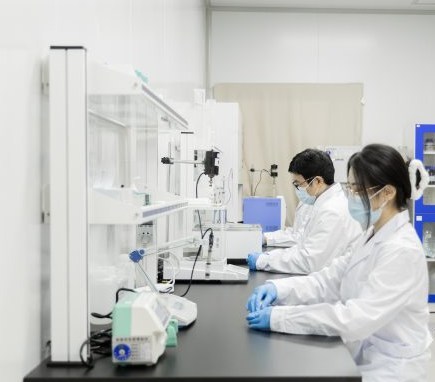
The laboratory maintains a constant temperature (22-25℃),and uses air conditioners or dehumidifiers to control the temperature and humidity.

Temperature-sensitive steps (such as magnetic bead bonding and elution) can be carried out on cold plates or ice.

Select reagents and methods with higher stability

Give priority to using high-temperature resistant nucleic acid preservation solutions (such as sampling tubes containing RNA stabilizers).

The automatic extraction instrument can reduce manual operation time and lower environmental interference.

Strengthen quality control monitoring

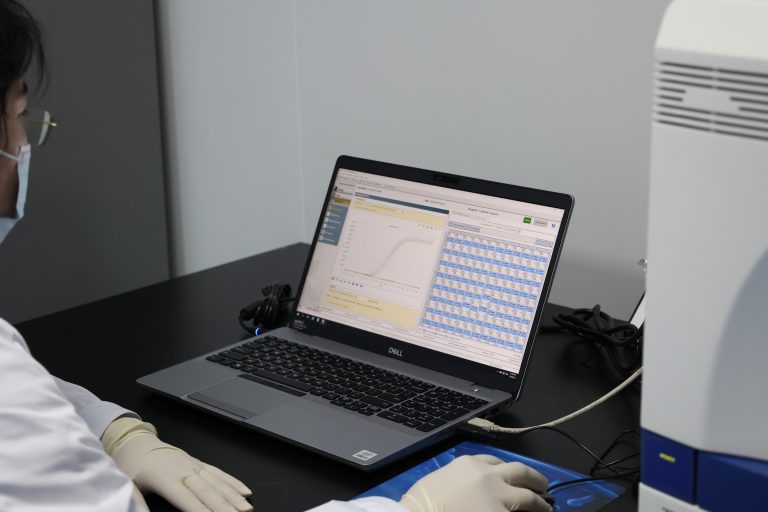
抽出後, the concentration, purity and integrity of nucleic acids were detected by Nanodrop, electrophoresis or QPCR to ensure the credibility of the data.

結論

Although high-temperature weather brings additional challenges to nucleic acid extraction experiments, the accuracy of the experimental results can still be guaranteed through standardized sample management, optimized experimental procedures and strict environmental control. Whether it is scientific research or clinical testing, details determine success or failure. Only by being prepared in advance can the experiment besureto win!

Tip: During the summer experiments, don’t forget to cool down the instruments and also prepare a cup of herbal tea for yourself!

サプライヤー

上海霊軍生物技術有限公司, 株式会社に設立されました 2016 生体磁性材料と核酸抽出試薬の専門メーカーです.

核酸抽出・精製の経験が豊富です。, タンパク質の精製, 細胞分離, 化学発光, その他の技術分野.

当社の製品はさまざまな分野で広く使用されています, 医療検査など, 遺伝子検査, 大学の研究, 遺伝子育種, 等々. 製品のご提供だけでなくOEMも承ります, ODM, その他のニーズ. 関連するニーズがある場合, お気軽にお問い合わせください .

ニュースレターの更新情報

以下にメールアドレスを入力してニュースレターを購読してください