Monaróir Gairmiúil Coirníní Bithmhaighnéadacha


Tionchar na teochta teocht ard ar thorthaí turgnamhacha eastóscadh aigéid núicléacha agus na straitéisí comhfhreagracha
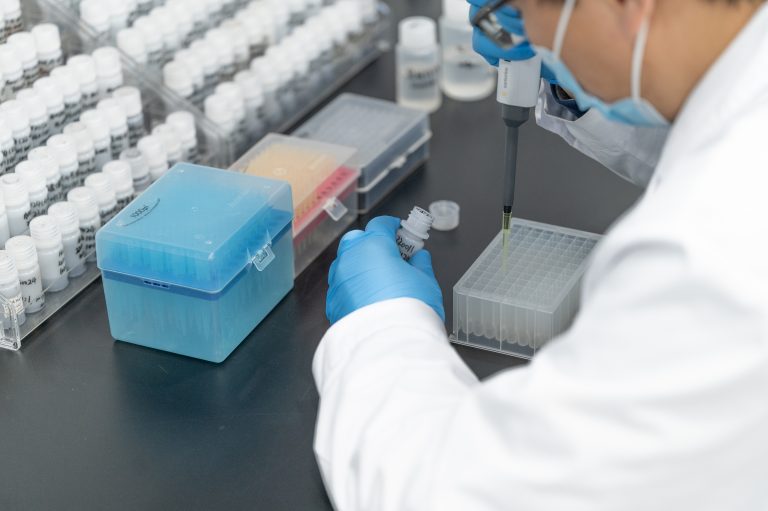
Le teacht an tsamhraidh, ní hamháin go gcuireann an aimsir the leanúnach dúshláin roimh shaol laethúil na ndaoine, ach d’fhéadfadh go mbeadh tionchar féideartha aige freisin ar thurgnaimh eastósctha aigéid núicléigh i saotharlanna. Eastóscadh aigéid núicléasaigh, mar phríomhchéim i dtaighde bitheolaíocht mhóilíneach, diagnóis chliniciúil agus braite pataigin, bíonn tionchar díreach ag cruinneas a thorthaí ar iontaofacht na dturgnamh ina dhiaidh sin. Mar sin, conas go díreach a chuirfidh aimsir ardteochta isteach ar thurgnaimh eastósctha aigéid núicléigh? Ansin conas is féidir le duine déileáil leis go héifeachtach?
Tionchar féideartha na haimsire ardteochta ar thurgnaimh eastósctha aigéid núicléigh
cobhsaíocht an laghduithe sampla.
Faoi choinníollacha ardteochta, aigéid núicléacha i samplaí bitheolaíocha (mar shampla fola, fíocháin, agus réitigh samplála víreas) níos mó seans maith go díghrádú. Go háirithe RNA, tá sé an-seans maith go dianscaoileadh ag RNase ag teocht an tseomra. Má tá na coinníollacha iompair nó stórála míchuí, féadfaidh sé na blúirí aigéid núicléacha a bhaintear a bhriseadh, a dhéanann difear do PCR iartheachtacha nó torthaí seicheamhaithe.
Tá laghdú tagtha ar chumhacht an imoibrí
Go leor imoibrithe eastóscadh aigéid núicléacha (mar shampla protease K agus maolán lysis) íogair do theocht. D’fhéadfadh teip comhpháirteanna gníomhacha a bheith mar thoradh ar nochtadh fada do thimpeallachtaí ardteochta, éifeachtacht lysis nó cumas ceangailteach a laghdú, rud a chuireann isteach ar íonacht agus ar tháirgeacht an eastósctha.
luaineachtaí sa timpeallacht oibríochta turgnamhach
Mura bhfuil córas rialaithe teochta cobhsaí ag saotharlann, d'fhéadfadh droch-difríocht teasa trealaimh mar lártheifneoirí agus ionstraimí PCR a bheith mar thoradh ar theocht arda, agus fiú ina chúis le mí-oibriú ionstraimí eastósctha uathoibrithe, méadú ar an mbaol earráidí turgnamhacha.
Riosca pórú truailleán
Tá timpeallachtaí ardteochta agus ard-taise seans maith do phórú baictéir agus fungais, méadú ar an bhféidearthacht éilliú samplach nó imoibrí, go háirithe sa phróiseas eastóscadh coirníní maighnéadach oibríochta oscailte.
Conas an tionchar a bhíonn ag teocht ard ar thurgnaimh eastósctha aigéid núicléacha a laghdú?
Rialú go docht ar an teocht le linn iompair agus stórála
Tar éis bailiú samplach, ba chóir é a stóráil ag teocht íseal a luaithe is féidir (mar a iompar le pacaí oighir nó oighear tirim), go háirithe samplaí RNA, a mholtar a chur láithreach ag -20 ℃ nó -80 ℃.
Ba cheart imoibrithe a stóráil de réir na dtreoracha, ag seachaint reo agus leá arís agus arís eile. Más gá, ba chóir iad a aliquoted lena n-úsáid.
An timpeallacht thurgnamhach a bharrfheabhsú
Coinníonn an tsaotharlann teocht leanúnach (22-25℃),agus úsáideann oiriúntóirí aer nó dí-humidifitheoirí chun an teocht agus an taise a rialú.
Céimeanna íogair ó thaobh teochta (mar nascadh coirníní maighnéadacha agus elution) is féidir a dhéanamh ar phlátaí fuar nó oighear.
Select reagents and methods with higher stability
Give priority to using high-temperature resistant nucleic acid preservation solutions (such as sampling tubes containing RNA stabilizers).
The automatic extraction instrument can reduce manual operation time and lower environmental interference.
Strengthen quality control monitoring
Tar éis eastóscadh, the concentration, purity and integrity of nucleic acids were detected by Nanodrop, electrophoresis or QPCR to ensure the credibility of the data.
Conclúid
Although high-temperature weather brings additional challenges to nucleic acid extraction experiments, the accuracy of the experimental results can still be guaranteed through standardized sample management, optimized experimental procedures and strict environmental control. Whether it is scientific research or clinical testing, details determine success or failure. Is trí bheith ullmhaithe roimh ré amháin is féidir an turgnamh a dhéanamh “cinnte” a bhuachan!
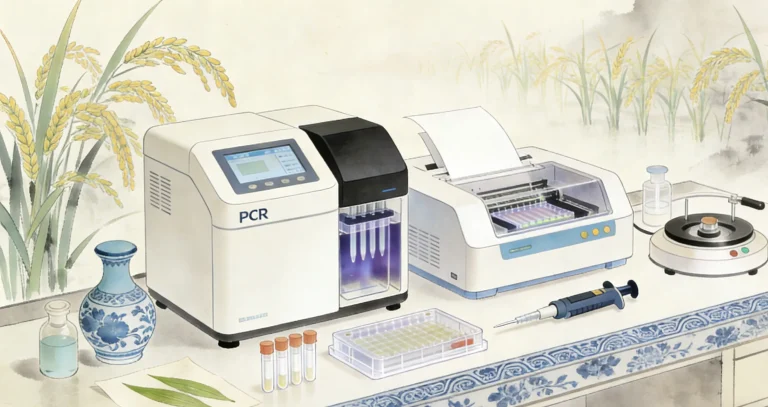
Leid: I rith na turgnaimh samhraidh, ná déan dearmad na huirlisí a fhuarú agus cupán tae luibhe a ullmhú duit féin freisin!
Soláthraí
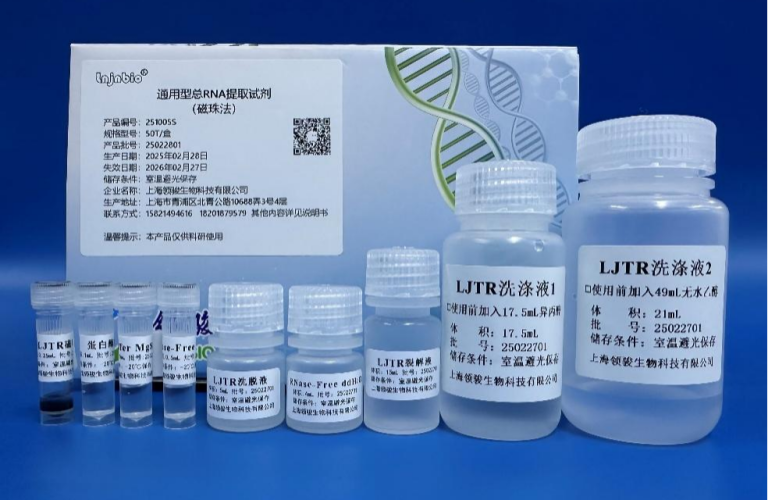
Shanghai Lingjun Biteicneolaíocht Co., Teo.bunaíodh i 2016 atá ina mhonaróir gairmiúil d'ábhair bithmhaighnéadacha agus imoibrithe eastóscadh aigéid núicléacha.
Tá taithí shaibhir againn in eastóscadh agus íonú aigéad núicléasach, íonú próitéine, scaradh cille, ceimileacanacht, agus réimsí teicniúla eile.
Úsáidtear ár gcuid táirgí go forleathan i go leor réimsí, mar thástáil leighis, tástáil ghéiniteach, taighde ollscoile, pórú géiniteach, agus mar sin de. Ní chuirimid ar fáil ach táirgí ach freisin is féidir tabhairt faoi OEM, ODM, agus riachtanais eile. Má tá riachtanas gaolmhar agat, bíodh leisce ort teagmháil a dhéanamh linn .