Monaróir Gairmiúil Coirníní Bithmhaighnéadacha


Conas a dhéantar an t-aimpliú díreach ar cfDNA a bhaintear trí theicneolaíocht coirníní maighnéadacha chun tabhairt faoi leigheas beachtais a shimpliú?
Brollach
I 2026, de réir mar a leanann bithóipse leachta ag fáil móiminteam, éifeachtúlacht asbhainte DNA saor ó chealla (cfDNA) a mheas mar an ‘chéad chonstaic chriticiúil’ íogaireacht bhrath a chinneadh. Cibé an bhfuil diagnóis chruinn á baint amach ar aineaplóideacht chromosómach féatais i dtástáil réamhbhreithe neamh-ionrach (NIPT) nó sócháin neamhchoitianta a ghabháil i gcúrsaíocht DNA siadaí (ctDNA) le haghaidh scagthástála ailse go luath, taighdeoirí ag leanúint níos glaine, níos éifeachtaí, agus aisghabháil aigéid núicléacha ultra-toirte.
Mar sin féin, tá an próiseas eastósctha traidisiúnta le fada an lá, ‘scrogall éifeachtúlachta’ – elution a nglactar go hintuigthe leis. Ídíonn gach céim den DNA ón meán íonúcháin agus é a ath-ionsú le haghaidh tógáil leabharlainne an teimpléad nach leor cheana.
Inniu, le héabhlóid modhanna maighnéadach coirn-bhunaithe agus nana-ábhair mhaighnéadacha feidhmiúla, ‘castacht shimpliúcháin’ tá an cur chuige ag teacht chun cinn: tar éis eastóscadh cfDNA trí choirníní maighnéadacha, déantar aimpliú go díreach leis na coirníní ceangailte.
An ról déach atá ag coirníní maighnéadacha: mar ghníomhairí gabhála agus mar imoibreoirí araon:
Éilíonn eastóscadh traidisiúnta colún-bhunaithe nó modhanna traidisiúnta coirníní maighnéadacha leachtú tar éis aonrú cfDNA, DNA leachtach a thabhairt do chórais PCR nó ullmhúcháin leabharlainne ina dhiaidh sin. Ní hamháin go méadaíonn an próiseas seo an baol earráidí píbéireachta ach freisin, níos criticiúla, is minic a bhíonn caillteanas dochúlaithe samplach i gceist le linn elution do cfDNA - a thaispeánann fad thart ar go príomha 166 péirí bonn agus tiúchain thar a bheith íseal.
Faoi láthair, tá roinnt fiontar biteicneolaíochta agus institiúidí taighde ceannródaíocha ag cur aimpliú ‘in situ chun cinn’ coincheap. Mar shampla, sa litríocht theicniúil is déanaí, Tá éifeachtacht shuntasach léirithe ag modhanna eastósctha bunaithe ar choirníní maighnéadacha nua-fheidhmithe. A 2025 léirigh staidéar a foilsíodh in irisleabhar mór le rá oinceolaíocht chliniciúil, ní hamháin gur sháraigh an modh coirníní maighnéadach optamaithe an modh traidisiúnta colún membrane silica maidir le heastóscadh (39.91 de vs 31.17 de i samplaí insamhladh), ach níos suntasaí, mhéadaigh sé níos mó ná dúbailt ar tháirgeacht réamhleabharlainne agus ar chóimheasa léarscáilithe feabhsaithe go mór.
Tá na sonraí seo inchurtha i leith nuálaíochtaí i dteicneolaíocht iompróra coirníní maighnéadacha—feidhmíonn coirníní maighnéadacha ní hamháin mar ‘ghlacadóirí’.’ Chun DNA saor in aisce a ghabháil, ach a ngrúpaí feidhme dromchla-mhodhnaithe, arna cheangal le cfDNA, is féidir dul isteach go díreach ar an gcóras aimpliúcháin, gníomhú mar ‘iompróirí soladacha’ le haghaidh cainníochtaí teimpléad nóiméad.
Spotsolas Cás-Staidéir: Nuair a Chomhlíonfaidh Aimpliú Coirníní Maighnéadacha Feidhmchláir Fhíordhomhanda
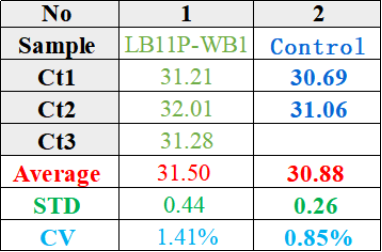
Ag baint úsáide as Biteicneolaíocht Shanghai Lingjun 220015 (10 mg/ml) coirníní maighnéadacha silile-hiodrocsaile, eastóscadh saor ó alcól a dhéanamh ar shéiream muiceola atá sníofa le blúire 233-bp. Tar éis níocháin, dul ar aghaidh go díreach chuig aimpliú leis na coirníní ceangailte:
Ct Luach:
Cuar aimpliúcháin:
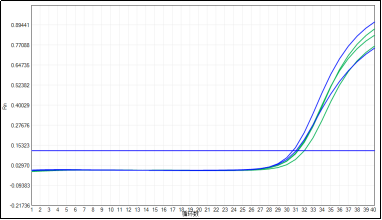
Bunaithe ar luachanna Ct, an prótacal saor ó alcól a d’úsáideamar i gcomhar leis 220015 léirigh coirníní maighnéadacha meándifríocht Ct de 0.62 i gcomparáid leis an rialú.
Níor tugadh faoi deara aon difríochtaí suntasacha i mbuaicluachanna na gcuar aimpliúcháin, ag léiriú feidhmíocht aimpliúcháin shásúil.
I bhfeidhm praiticiúil
Tá taighdeoirí tar éis a fháil amach go bhfuil an 'aimpliú díreach coirnín maighnéadach’ sreabhadh oibre, a fhágann an chéim elution ar lár, laghdaítear go suntasach an baol éillithe i gcás samplaí luachmhara amhail plasma ó othair ailse scamhóg luathchéime nó ó mhná torracha sa chéad trimester. Ina theannta sin, cuireann sé ar chumas próiseas fíor-uathoibrithe ó ionchur samplach go aschur toraidh trí ionstraimí eastósctha uathoibrithe.
I ré iomaíocht ghéarmhíochaine na míochaine beachtais, is minic a theipeann orainn cur chuige breisitheacha — doimhneacht seicheamhaithe a mhéadú, méideanna samplacha a leathnú, agus uimhreacha macasamhlaithe a threisiú. Ach an t-aimpliú díreach’ straitéis tar éis eastóscadh maighnéadach coirníní-bhunaithe a thógann an tac eile, earráidí a laghdú trí chéimeanna idirmheánacha a shruthlíniú.
Ó chruinneas diagnóis réamhbhreithe a fheabhsú go dtí cinn a bhaint amach in íogaireacht tástála géine meall, agus teorainneacha aitheantais fhóiréinseach a bhrú, “aimpliú le coirníní maighnéadacha” ag ath-shainmhíniú luach íonú aigéid núicléigh: nach bhfuil íonú an sprioc deiridh; Is é a bhrath éifeachtach.
Dóibh siúd atá ag dul i ngleic le sócháin íseal-minicíochta caillte nó ar theip ar ullmhú leabharlainne le samplaí íosta, b’fhéidir go bhfuil sé in am machnamh a dhéanamh ar an ábhar ‘dealaitheach seo’ chuige. Tar éis an tsaoil, lingering beagán níos faide ar na coirníní maighnéadacha go beacht a Shine níos gile ar an seicheamhóir.
Soláthraí
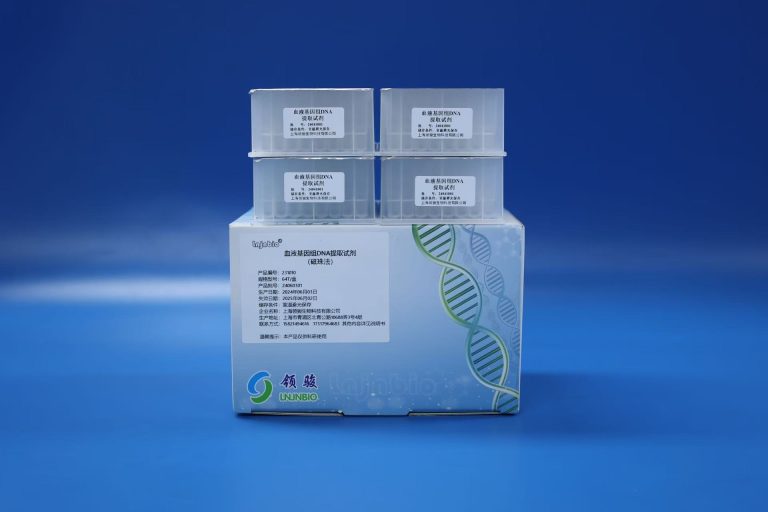
Shanghai Lingjun Biteicneolaíocht Co., Teo.bunaíodh i 2016 atá ina mhonaróir gairmiúil d'ábhair bithmhaighnéadacha agus imoibrithe eastóscadh aigéid núicléacha.
Tá taithí shaibhir againn in eastóscadh agus íonú aigéad núicléasach, íonú próitéine, scaradh cille, ceimileacanacht, agus réimsí teicniúla eile.
Úsáidtear ár gcuid táirgí go forleathan i go leor réimsí, mar thástáil leighis, tástáil ghéiniteach, taighde ollscoile, pórú géiniteach, agus mar sin de. Ní chuirimid ar fáil ach táirgí ach freisin is féidir tabhairt faoi OEM, ODM, agus riachtanais eile. Má tá riachtanas gaolmhar agat, bíodh leisce ort teagmháil a dhéanamh linn .