Professional Manufacturer of Biomagnetic Beads

News
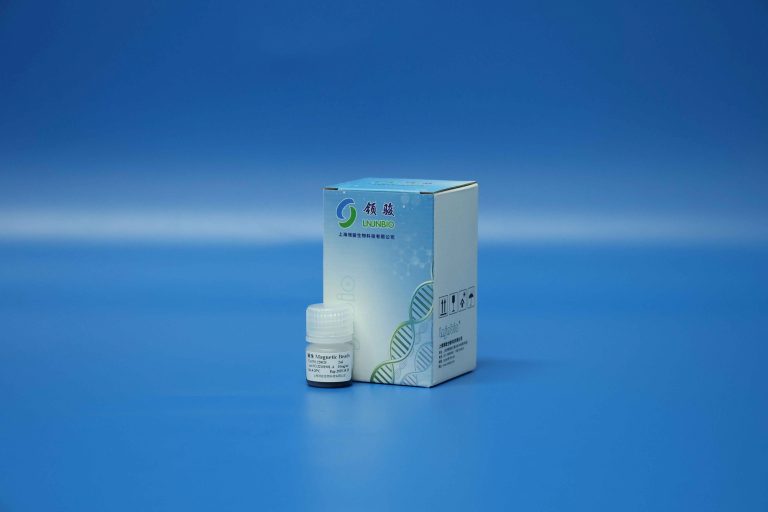
Industry news briefing on nucleic acid extraction by magnetic bead method
1. Technological breakthrough and product innovation A.Nucleic acid extraction technology by magnetic beads has been continuously upgraded Many enterprises have launched a new generation of magnetic bead method kits, covering whole blood,…
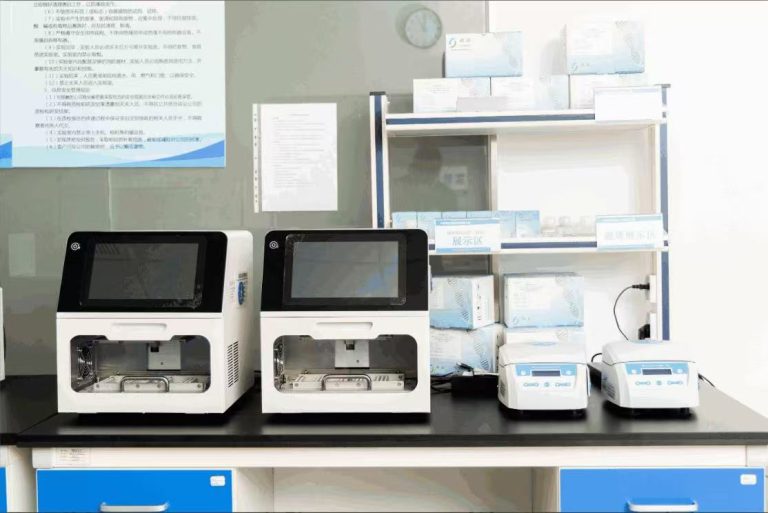
Nanopore Sequencing Technology: The “Fourth-Generation Key” to Unlocking the Mysteries of Genes
In the field of gene sequencing, nanopore sequencing technology is sparking a technological revolution with its unique advantages. As the fourth-generation gene sequencing technology, it leverages the principles of single-molecule sequencing and…
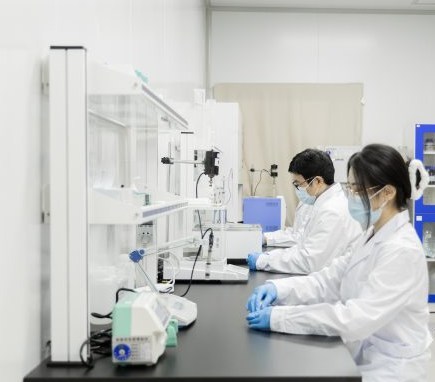
Nucleic acid extraction by magnetic bead method: accurate and efficient “gene catcher”
In the field of molecular biology and medical diagnosis, nucleic acid extraction is the first step in unlocking the genetic code. From the detection of novel coronavirus nucleic acid to cancer gene…
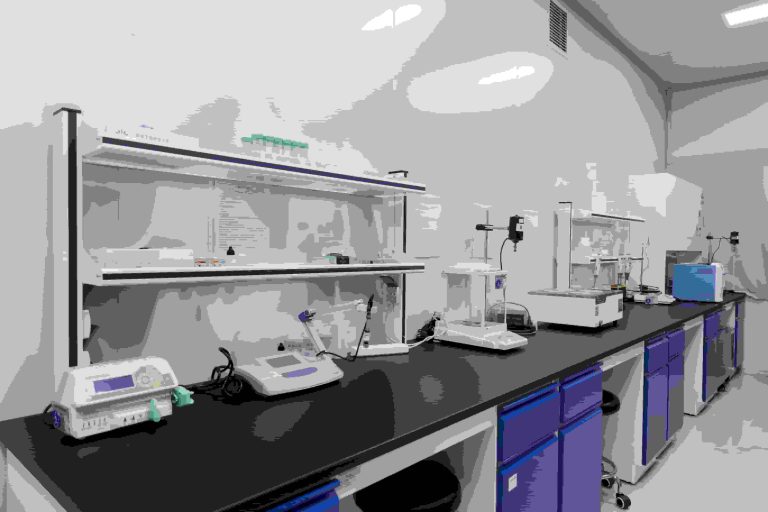
mNGS:Pioneering a New Era in Pathogen Detection
In the rapidly advancing field of medical science, pathogen detection technologies are also undergoing continuous innovation. Among them, metagenomics next-generation sequencing (mNGS) has emerged as a shining star in the field of pathogen detection…
Chemiluminescent Magnetic Beads: The “Invisible Agent” of Bioassays
Have you ever wondered how a drop of blood can quickly detect signs of disease in a hospital or biological laboratory? Behind this may be a black technology called “chemiluminescent magnetic beads.”…
Unraveling the Code of Life: The Key Role of Nucleic Acid Extraction in Human Identity Confirmation
In a rapidly advancing technological era, humanity’s exploration of its mysteries has never ceased. From ancient fingerprint identification to modern DNA analysis, each technological advancement has provided us with more accurate and…
Magnetic Bead RNA Extraction Reagents in Scientific Research
High-quality RNA is indispensable for many downstream applications, so RNA extraction reagents play a crucial role in scientific research. Magnetic bead RNA extraction reagents have a wide range of specific applications in…
From First-Generation Sequencing to Third-Generation Sequencing:The Evolution and Breakthroughs of Gene Sequencing Technology
In the development of gene sequencing technology, each iteration from first-generation sequencing to third-generation sequencing has brought about significant changes. Today, let’s take a detailed look at the main differences between these…

Application of polystyrene microspheres in digital PCR
As the third generation of PCR, digital PCR has the advantages of absolute quantification, low sample requirement, high sensitivity, and tolerance to inhibitors, and is widely used in the detection of gene…
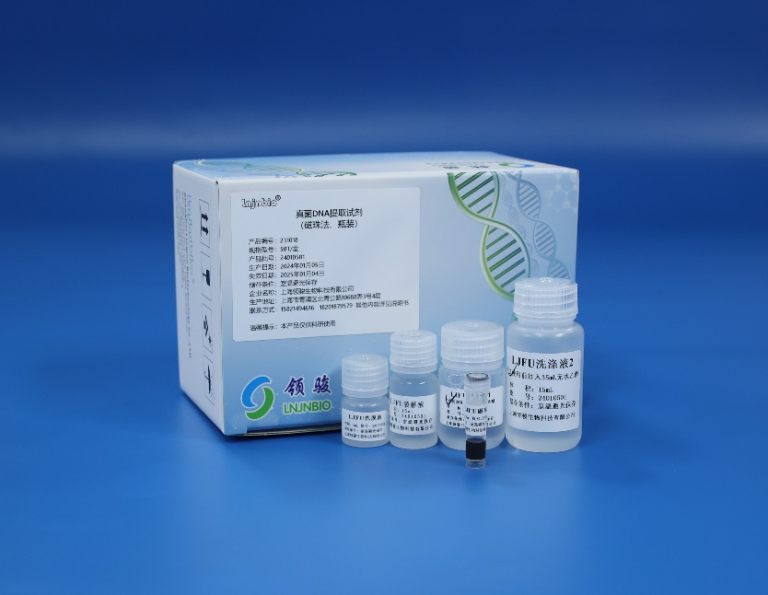
Nucleic Acid Extraction by Magnetic Bead Method:Revealing the Components and Functions of Reagents
The components and functions of various reagents for extracting DNA by the magnetic bead method are as follows. 1. Lysis Buffer (1) SDS (Sodium Dodecyl Sulfate): An anionic surfactant that disrupts cell membrane structures, releasing cellular contents. It can break…
Research and Advances in DNA Fragment Sorting
Solid phase reversible immobilization (SPRI) techniques have been used for DNA isolation for the past 20 years. In it, superparamagnetic carboxylated magnetic beads are used to selectively precipitate DNA molecules of different…
Why Is pH Adjustment Necessary in DNA Extraction?
pH is very important in DNA Extraction and the reasons are as follows: 1. Maintaining DNA Stability DNA remains relatively stable in solutions with a pH greater than 5 and less than 9. When the…