Professionele fabrikant van biomagnetische kralen


Wat is het verschil tussen volbloed, serum, en plasmamonsters in het DNA-testproces?
Bij nucleïnezuurextractie, Veel bloed-DNA-extractiekits kunnen voor volbloed worden gebruikt, plasma, en serum, dus sommige mensen denken dat deze drie monsters naar believen kunnen worden gebruikt om nucleïnezuur met kits te testen, maar de verkregen resultaten voldoen niet aan de verwachtingen. Dus, wat is het verschil tussen deze drie monsters, en welke impact hebben ze op diagnostische experimenten met nucleïnezuren?
Het monsterverschil tussen volbloed, serum, en plasma
Plasma omvat bloedserum en fibrinogeen. Het lijkt erop dat er geen verschil is tussen serum en plasma. Plasma wordt verkregen door coagulatie van bloed dat niet met antistollingsmiddelen is behandeld. Anticoagulantia zijn nodig voor de antistollingsbehandeling van bloed. De keuze van het antistollingsmiddel moet gebaseerd zijn op specifieke experimentele vereisten. Bloed bestaat uit twee delen: vloeibaar componentplasma en gevormde componentbloedcellen. Serum is een lichtgele heldere vloeistof die neerslaat na bloedstolling. Vergeleken met plasma, het mist bepaalde stollingsfactoren en fibrinogeen.
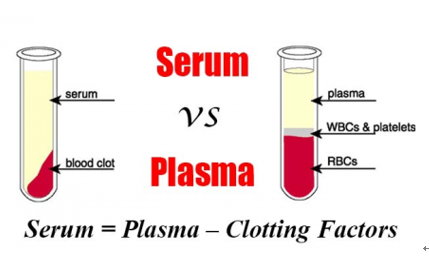
Vanuit het perspectief van nucleïnezuurdiagnose, menselijk genomisch DNA is meer aanwezig in witte bloedcellen, en slechts een kleine hoeveelheid gratis DNA is aanwezig in serum. Echter, de hoeveelheid vrij DNA in serum zou toenemen als een groot aantal witte bloedcellen afsterven. Pathogene pathogene nucleïnezuren zijn in grote hoeveelheden aanwezig in serum en zijn vrijwel afwezig in bloedcellen.
Voor nauwkeurige en betrouwbare resultaten, het is cruciaal om het juiste monster te selecteren op basis van het testdoel. Als het doelwit menselijk nucleïnezuur is, zoals screening op albinisme en hemofilie, vol bloed moet worden gebruikt. Dit komt omdat de hoeveelheid menselijk nucleïnezuur in serum en plasma aanzienlijk minder is dan in volbloed, waardoor de detectiegevoeligheid afneemt.
Serum of plasma moet als experimenteel monster worden gebruikt als het testdoel dat is pathogeen nucleïnezuur, zoals het testen van een hepatitis B-infectie, verkoudheidsvirussen, enz. Het verwijdert op natuurlijke wijze onzuiverheden zoals bloedcellen, verminderen de moeilijkheidsgraad van nucleïnezuurextractie aanzienlijk, helpen de zuiverheid van nucleïnezuur te verbeteren, en verhoog de gevoeligheid en stabiliteit van de detectiereactie.
Vergeleken met plasma, serum bevat minder fibrinogeen, en het DNA in serum is dat ook circulerend DNA, die voornamelijk afkomstig is van zieke weefsels. Daarom, het gebruik van serum als experimenteel monster kan de zuiverheid van het monster verder verbeteren, verminderen eiwitonzuiverheden, verhogen de concentratie van ziekteverwekkers, en gevoeligere detectieresultaten verkrijgen.
Voor de testkit onder hetzelfde systeem, hoe minder monsteronzuiverheden, hoe hoger de kwaliteit van de DNA-extractie. Daarom, de testkit moet zorgvuldig worden geselecteerd op basis van het experimentele doel en de experimentele materialen.
Introductie van leveranciers

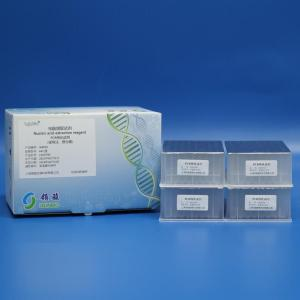
Shanghai Lingjun Biotechnologie Co., Ltd.werd opgericht in 2016 dat een professionele fabrikant is van biomagnetische materialen en reagentia voor nucleïnezuurextractie.
We hebben een rijke ervaring in de extractie en zuivering van nucleïnezuren, eiwit zuivering, cel scheiding, chemiluminescentie en andere technische gebieden.
Onze producten worden op veel gebieden veel gebruikt, zoals medische testen, genetische testen, universitair onderzoek, genetische veredeling, enzovoort. Wij leveren niet alleen producten, maar kunnen ook OEM ondernemen, ODM, en andere behoeften. Als u gerelateerde behoeften heeft, neem dan gerust contact met ons op via sales01@lingjunbio.com.