Professional Manufacturer of Biomagnetic Beads


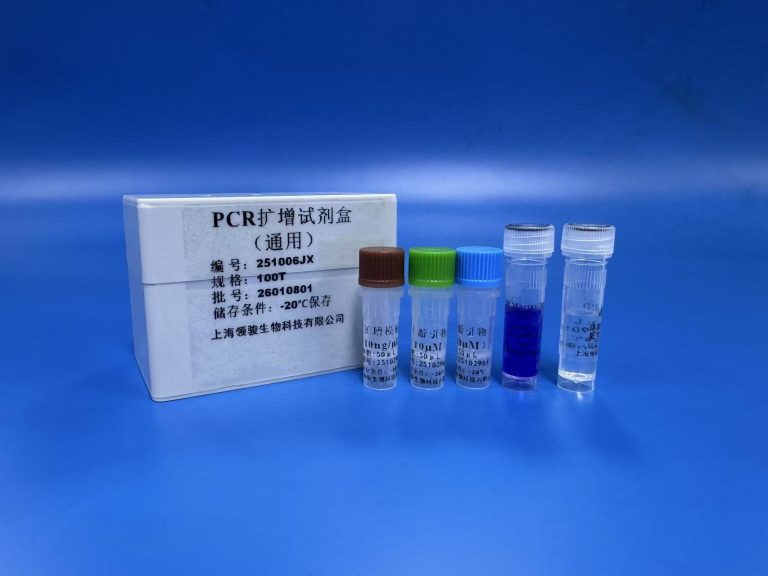
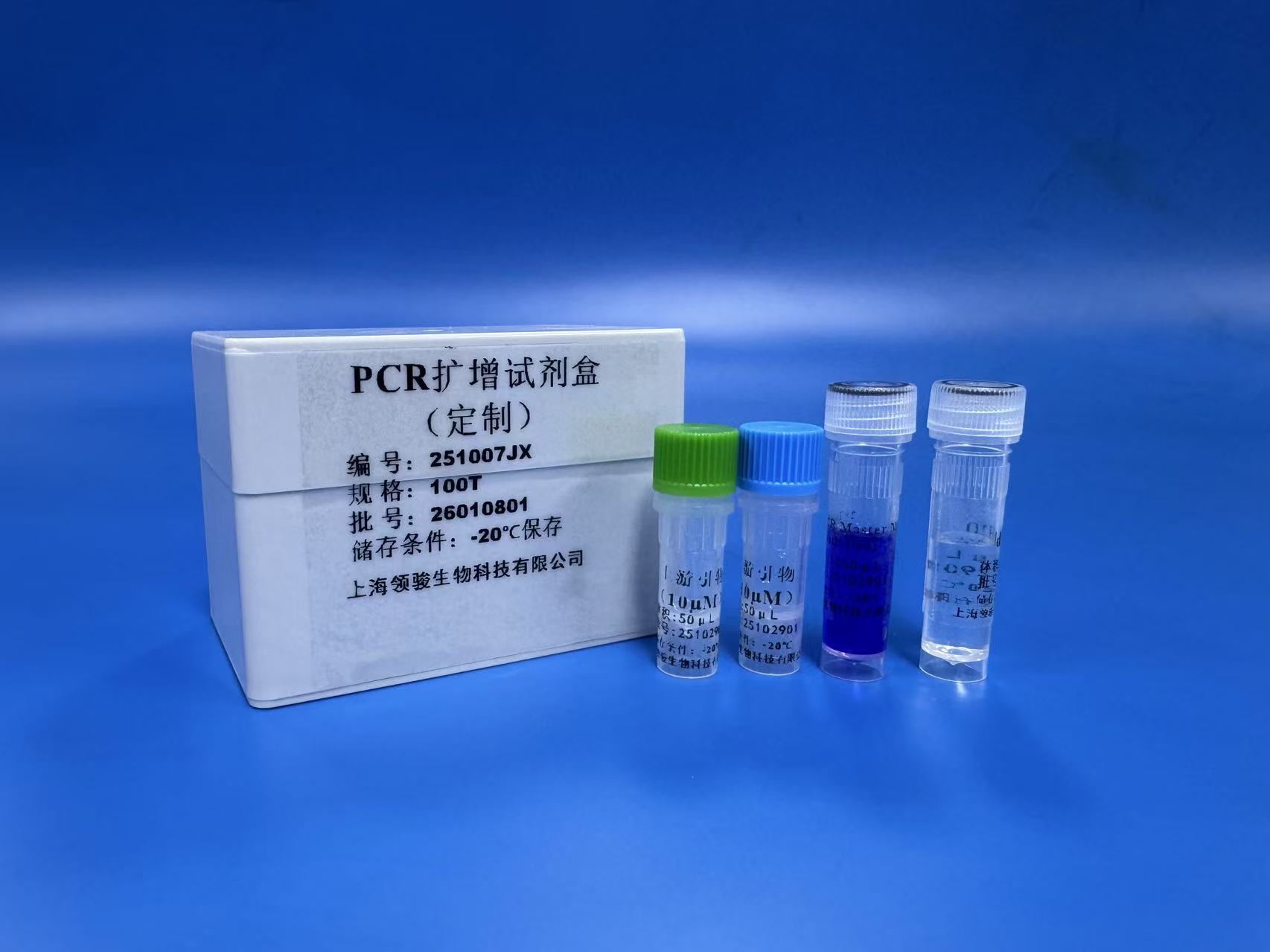
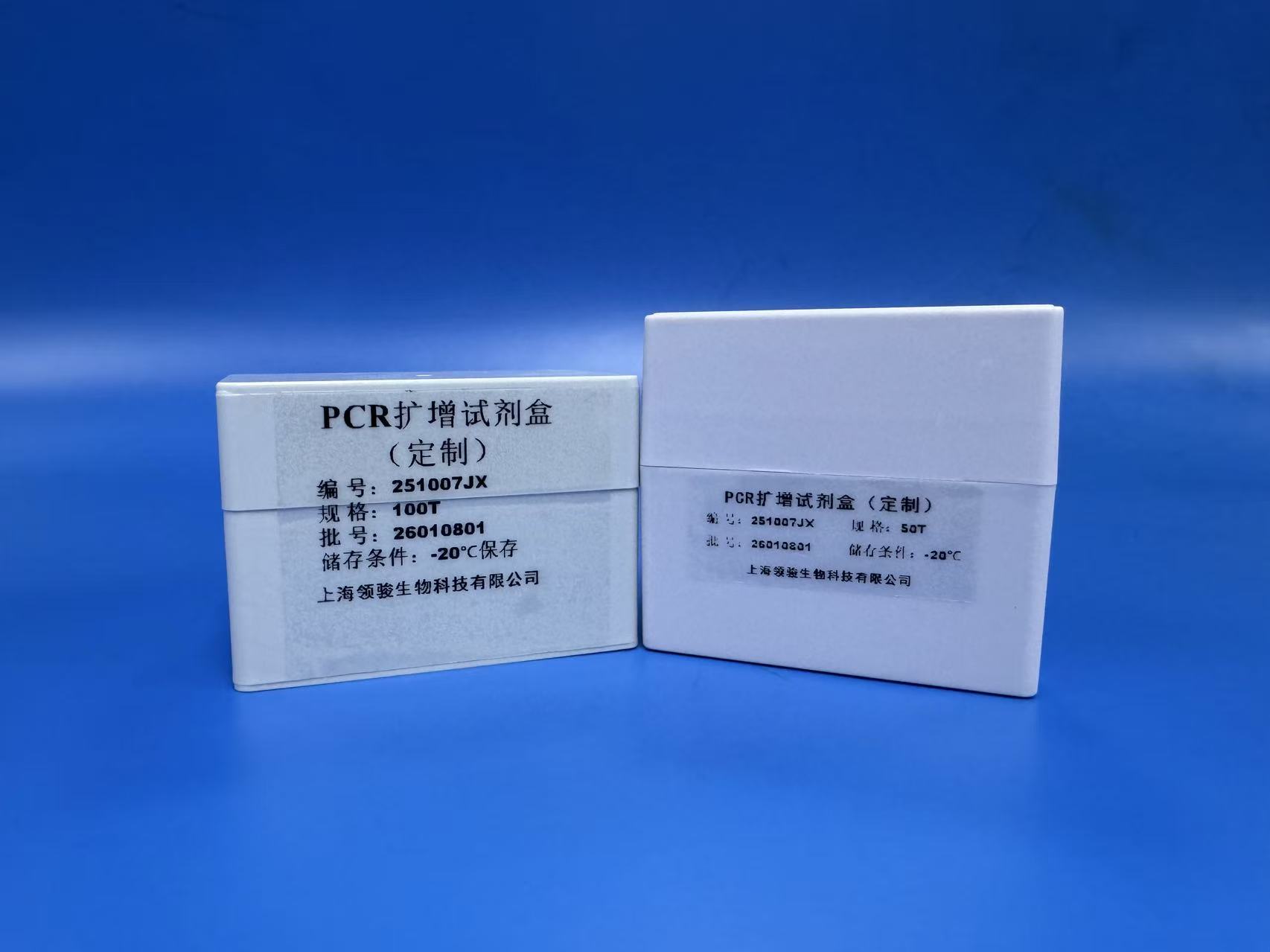
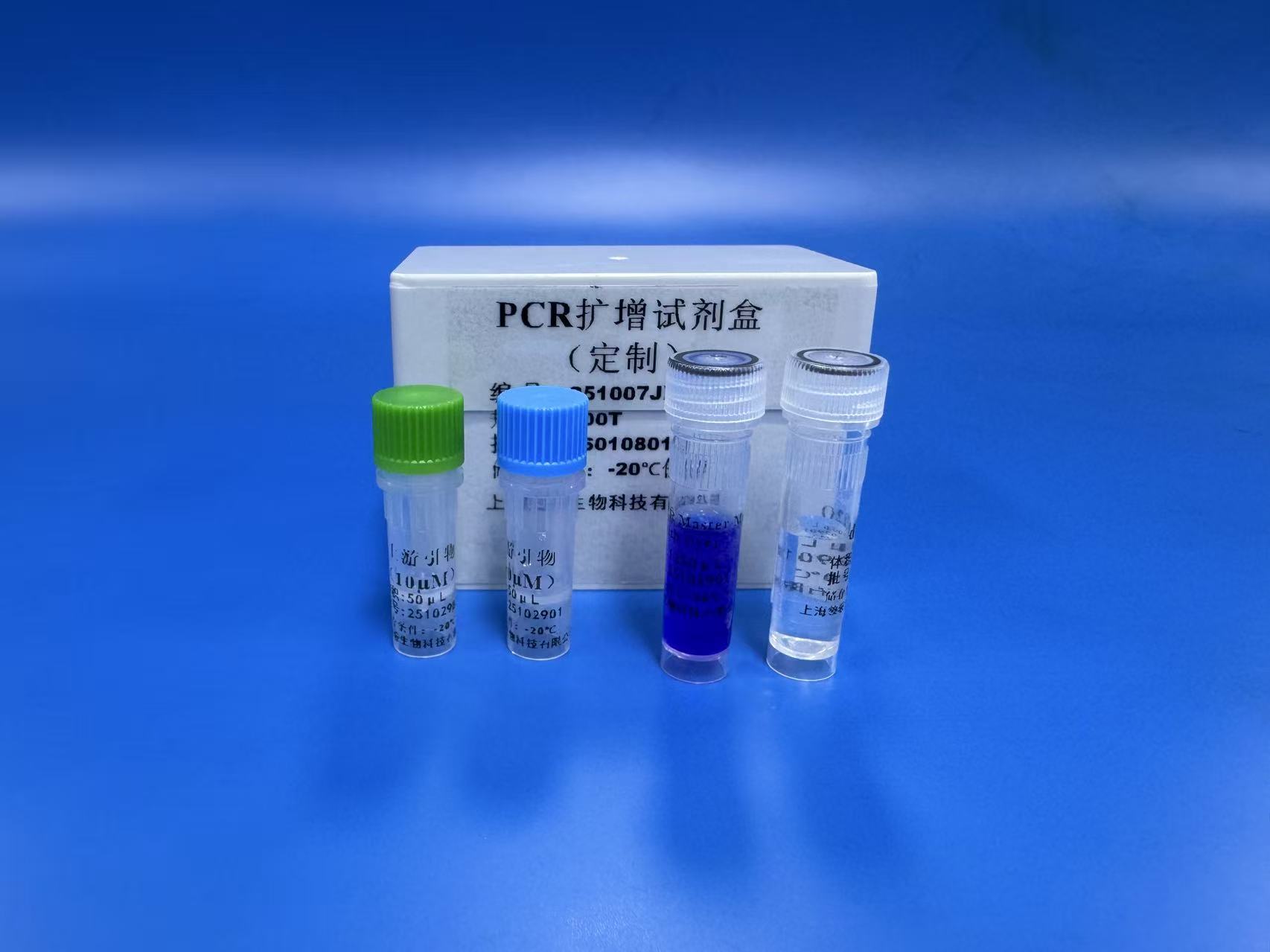
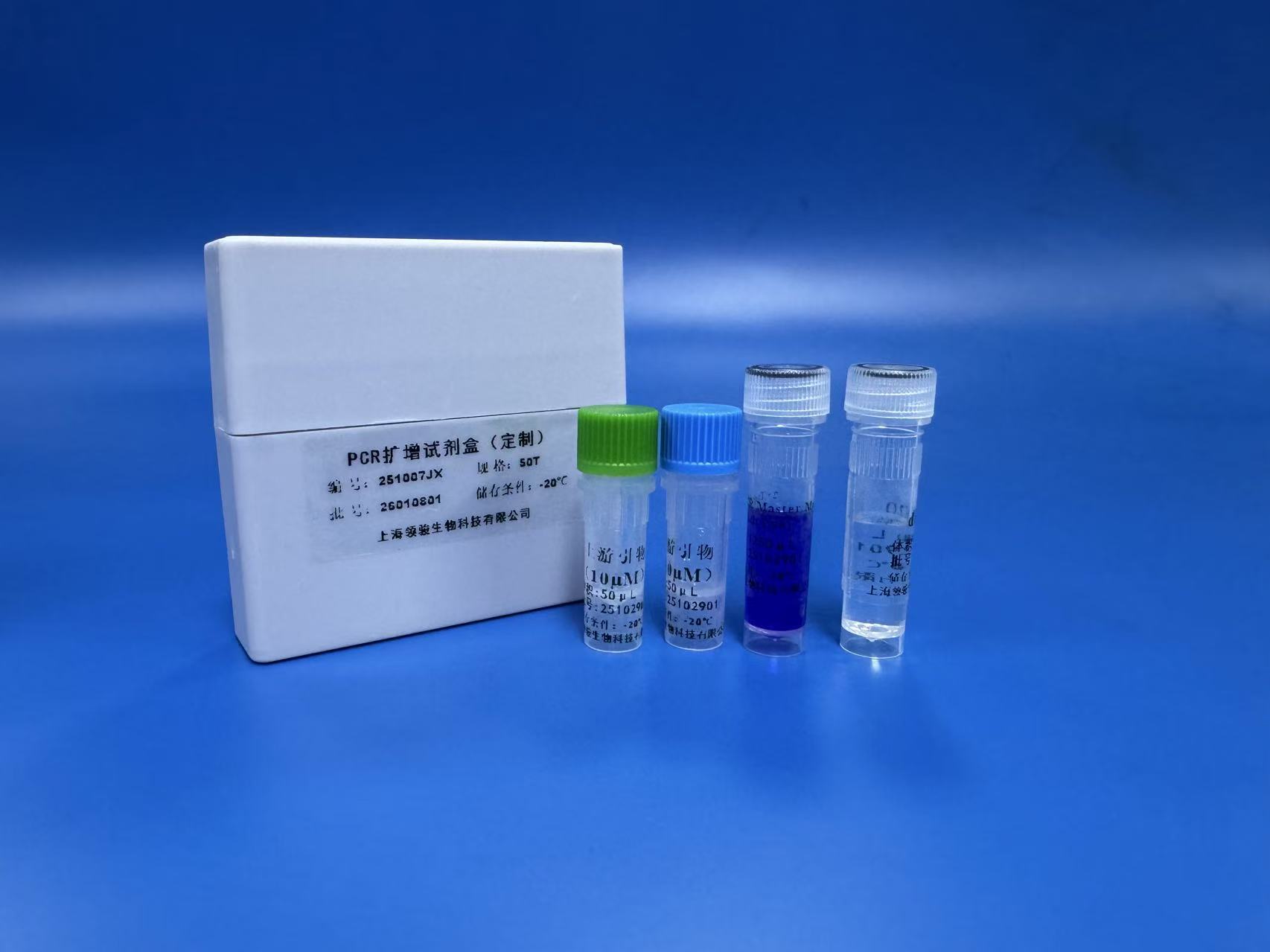
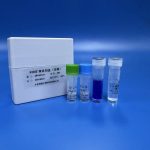
PCR Amplification Kit (Custom)
PRODUCT PARAMETERS
Description
Suitable for teaching molecular biology experiments in life sciences, medicine, and agricultural and forestry disciplines, it serves as an ideal teaching tool for fundamental experiments such as gene cloning, genetic identification, and pathogen detection.
【Product Introduction】
This 2× Taq PCR Master Mix (with Dye) contains a highly efficient thermostable DNA polymerase, dNTPs, an optimised MgCl₂ buffer system, and bromophenol blue dye. This formulation maximises operational simplicity, minimises preparation errors, ensures reproducible results and high success rates, and requires only the addition of nucleic acid dye for electrophoresis following amplification.
【Product advantages】
- User-friendly operation: Optimised premix components significantly streamline experimental procedures and lower operational barriers.
- Reliable results: Specifically optimised for teaching applications, delivering high amplification success rates, excellent reproducibility, and robust interference resistance.
- Customised versions allow selection of corresponding primers for amplifying transgenic plants (rice, maize, etc.) according to teaching and experimental requirements.
【Experimental Case】
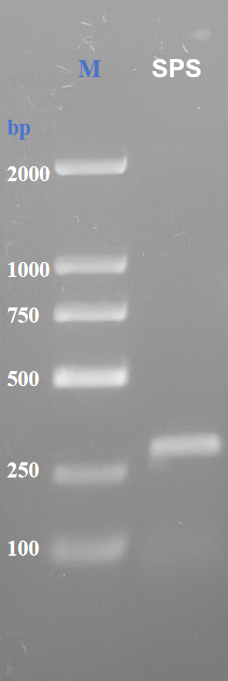
PCR amplification was performed using extracted rice seed genomic DNA as the template. The target product, SPS (sucrose phosphate synthase gene), has a size of 287 bp. The amplification reaction consisted of a 50 μL system with 200 ng template DNA and a primer annealing temperature of 60°C. Following amplification, 3 μL of the product was subjected to nucleic acid electrophoresis using DL 2000 as the marker. under conditions of 120 V for 35 minutes. The electrophoresis results are as follows:
【Application area】
This product is suitable for teaching molecular biology experiments in life sciences, medicine, and agricultural and forestry disciplines. It can be used for fundamental experiments such as gene cloning, genetic identification, and pathogen detection, making it an ideal teaching tool.
FAQs
What kind of products can we provide, and what are the package specifications?
What kind of logistics transportation?
Can it be customized according to my requirements?
What is the ordering process?
What is the delivery period?