Профессиональный производитель биомагнитных бусин


Ключевое руководство по максимизации эффективности отбора фрагментов ДНК
Предисловие
Наличие высокоэффективных магнитных шариков для отбора фрагментов ДНК закладывает прочную основу для успеха экспериментов.. Однако, конечным результатом селекционного эксперимента является совокупный результат бисера’ присущие свойства и точная техника работы оператора.
Даже самые продвинутые гранулы могут привести к сбою отбора, если их использовать с неправильными протоколами.. Освоение следующих шести ключевых эксплуатационных соображений является практическим ключом к обеспечению высокого разрешения., высокоизвлекаемый, и высоковоспроизводимые результаты отбора.
Рассмотрение 1:
Точная подготовка и проверка ключевых буферов – контроль “Химический кодекс” разделения
Оперативный пункт: ПЭГ (полиэтиленгликоль) концентрация, тип и концентрация ионов соли, и pH в буферах для связывания и элюирования являются основными переменными, контролирующими окно выбора.. Используйте реагенты высокой чистоты, готовить растворы посредством точного взвешивания и калибровки pH-метра, и аликвоты в небольшие объемы для хранения, чтобы избежать изменений концентрации в результате повторяющихся циклов замораживания-оттаивания или длительного хранения..
Научная основа: Концентрация ПЭГ влияет на эффект стерического исключения, в то время как концентрация соли определяет прочность “соляной мост” обязательность. Вместе, они определяют порог аффинности связывания между ДНК разной длины и шариками. Незначительные отклонения (например, а 1% изменение концентрации ПЭГ) может сместить центр окна выбора на 10-20 бит.. Поэтому, точность приготовления буфера является первой критической контрольной точкой для успеха или неудачи отбора..
Рассмотрение 2:
Строгая оптимизация соотношения шариков к образцу – избежание “Перегрузка” и “Напрасно тратить”
Оперативный пункт: Не используйте фиксированное соотношение добавления шариков для всех образцов.. На основе целевого диапазона размеров фрагментов, общее количество входной ДНК, и его распределение по длине, выполнить эксперименты по оптимизации в пределах рекомендуемого диапазона в протоколе, чтобы определить оптимальный объем шариков (обычно выражается как объемное соотношение).
Научная основа: Места связывания на бусинах ограничены.. Недостаточный объем шариков приводит к насыщению, вызывая отбрасывание остатков целевой ДНК и снижение восстановления. Чрезмерный объем гранул может вызвать неспецифическую адсорбцию примесей с короткими фрагментами, которые необходимо удалить., снижение чистоты и разрешения выделения. Оптимизация соотношения позволяет найти точку равновесия для максимизации выхода и чистоты..
Рассмотрение 3:
Единообразие контроля температуры и времени – обеспечение последовательности реакции
Оперативный пункт: Выполните этапы инкубации связывания и элюирования на термостатическом миксере, чтобы убедиться, что все пробирки с образцами имеют полностью одинаковую и постоянную температуру. (обычно комнатная температура, 25°С) и получить равномерное перемешивание. Строго и точно рассчитывайте время каждого этапа инкубации..
Научная основа: Связывание и диссоциация ДНК с/из шариков являются термодинамически и кинетически контролируемыми процессами.. Колебания температуры изменяют константу равновесия реакции., неравномерное смешивание влияет на эффективность массообмена, и различия во времени вызывают изменения в развитии реакции.. Любое несоответствие напрямую приводит к внутрипартийной или межпартийной изменчивости результатов отбора., нарушение воспроизводимости эксперимента.
Рассмотрение 4:
Бережное обращение во избежание физического сдвига – защита целостности целевой молекулы
Оперативный пункт: При работе с образцами, содержащими комплексы ДНК-шарики или длинные фрагменты ДНК., всегда используйте наконечники для пипеток с широким отверстием и обращайтесь с ними осторожно.. Избегайте энергичного встряхивания, высокоскоростное встряхивание, или повторное принудительное пипетирование.
Научная основа: Нити ДНК с высокой молекулярной массой чрезвычайно чувствительны к силам сдвига жидкости.. Агрессивные физические манипуляции могут вызвать неспецифическое разрезание целевых длинных фрагментов ДНК.. Это не только снижает извлечение целевых фрагментов, но и приводит к непреднамеренному загрязнению короткими фрагментами., серьезно ставя под угрозу однородность и чистоту выбранного продукта.
Рассмотрение 5:
“Фракционированная коллекция” Стратегия этапа элюирования – точное получение целевого продукта
Оперативный пункт: При элюировании целевой ДНК, рекомендуется принять стратегию добавления элюирующего буфера (например, вода, не содержащая нуклеаз, или буфер TE) в маленьком, несколько аликвот (например, дважды), сбор элюата с каждого этапа отдельно.
Научная основа: Первое элюирование обычно содержит основные целевые фрагменты с наиболее оптимальной аффинностью связывания., предлагая высочайшую чистоту. Второй элюат может содержать фрагменты, которые связаны несколько более прочно., которые часто немного превышают целевой диапазон. После фракционированного сбора, измерение концентрации и анализ распределения фрагментов (например, с помощью микрожидкостного капиллярного электрофореза) позволяют избирательно объединять нужные фракции, получение более узкого и точного выбранного продукта, чем однообъемное элюирование.
Рассмотрение 6:
Внедрение контрольных точек контроля качества на протяжении всего процесса – замена суждений данными
Оперативный пункт: Для каждого формального селекционного эксперимента, параллельный контроль качества обеих входных ДНК перед отбором (Вход) и восстановленный продукт после выбора (Выход) является обязательным. Полагаться исключительно на показания спектрофотометра для оценки успеха — серьезное заблуждение..
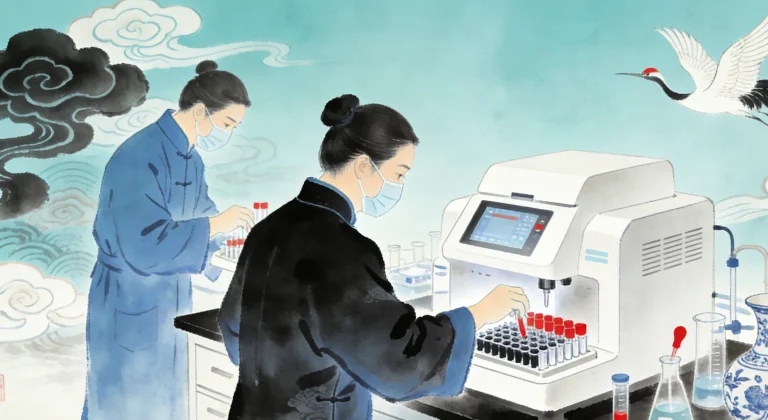
Научная основа: Использование системы микрофлюидного электрофореза для анализа предварительной- и образцы после отбора “золотой стандарт” для объективной оценки результатов отбора. Это визуально выявляет: 1) Эффективность: Статус восстановления целевого пика; 2) Разрешение: Является ли пик продукта острым и плотно распределенным; 3) Специфика: Были ли эффективно удалены примеси, такие как димеры праймеров?.
Введение продукта
Использование зрелых процессов проектирования и производства бусин., Шанхайская биотехнологическая компания Линцзюнь., Ltd. разработала высокопроизводительную FR0015 Серия силиконовых магнитных бусин. Со средним размером частиц 300 нм., сильные магнитные свойства, отличная монодисперсность, и время полуседиментации, превышающее 1 час, эта линейка продуктов в первую очередь подходит для:
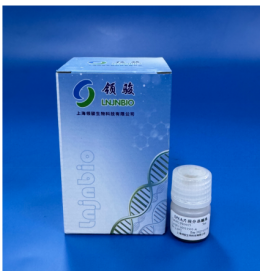
Бесклеточная экстракция фрагментов ДНК/РНК из сыворотки/плазмы
Сортировка/отбор фрагментов ДНК
Области применения, требующие превосходной стабильности суспензии гранул и совместной экстракции фрагментов ДНК/РНК в широком диапазоне размеров..
Заключение
Исключительные экспериментальные результаты достигаются благодаря строгому контролю каждой детали.. Сочетание превосходных инструментов со стандартизированной работой — это способ раскрыть весь потенциал магнитных шариков на основе диоксида кремния для выбора..
Мы стремимся не только предоставлять шарики для отбора фрагментов, отвечающие самым строгим требованиям к производительности, но и быть вашим надежным партнером в экспериментах.. Мы предлагаем подробную, стандартизированные рабочие протоколы и надежная техническая поддержка, которые помогут вам избежать распространенных ошибок и стабильно получать высококачественные результаты отбора. Давайте работать вместе, чтобы обеспечить каждый шаг, от образца к данным, ясно, точный, и заслуживающий доверия, с научной установкой
Поставщик
Шанхайская биотехнологическая компания Линцзюнь., ОООбыл создан в 2016 который является профессиональным производителем биомагнитных материалов и реагентов для экстракции нуклеиновых кислот..
Мы имеем богатый опыт в экстракции и очистке нуклеиновых кислот., очистка белка, разделение клеток, хемилюминесценция, и другие технические области.
Наша продукция широко используется во многих областях., например, медицинское тестирование, генетическое тестирование, университетские исследования, генетическое разведение, и так далее. Мы не только поставляем продукцию, но и можем взять на себя OEM, ОДМ, и другие потребности. Если у вас есть соответствующая потребность, пожалуйста, не стесняйтесь обращаться к нам .