Professional Manufacturer of Biomagnetic Beads


The Code Within Seeds: How DNA Extraction Technology is Reshaping Modern Agriculture
Foreword
A tiny seed contains all the genetic information that determines a crop’s growth, disease resistance, yield, and quality. Like a “codebook of life,” seed DNA not only carries the plant’s hereditary instructions but is also a core resource for the development of modern agricultural technology. From variety identification to genetic improvement, from resource conservation to food safety, seed DNA extraction technology is quietly transforming how we interact with crops.
1. Seed DNA Extraction: Ubiquitous Applications
Seed DNA extraction has become an indispensable foundational step in modern agriculture and biotechnology:
- Variety Identification and Purity Analysis: Eliminates counterfeit and substandard seeds, protects farmers’ rights, and ensures every seed planted is “true to its name.”
- Accelerated Molecular Breeding: Precisely selects superior genes, reducing the time required for traditional breeding from decades to just a few years, efficiently cultivating new disease-resistant and high-yield varieties.
- GMO Detection: Strictly monitors the genetic composition of seeds, providing critical technical support for food safety and import/export trade.
- Germplasm Resource Conservation: Establishes a plant DNA “identity card,” protects endangered species, and safeguards agricultural biodiversity.
- Rapid Disease Diagnosis: Detects pathogens directly without waiting for seeds to germinate, enabling early warning and prevention/control.
2. Technological Innovation: The Magnetic Bead Method as the New Benchmark
Among various DNA extraction methods, the magnetic bead method is rapidly becoming the new favorite in laboratories due to its unique advantages. This method uses specially coated magnetic microspheres to achieve efficient capture and purification of DNA under an external magnetic field.
Four Major Advantages of the Magnetic Bead Method:
- High Efficiency and Time-Saving: Eliminates tedious centrifugation and filtration steps; batch processing can be completed within 30-60 minutes, increasing efficiency by over 50%.
- Automation Compatibility: Easily integrated into fully automated extraction platforms, enabling “one-click operation,” significantly reducing human error, and making it particularly suitable for large-scale testing.
- Higher Purity: Precisely binds DNA, effectively removing contaminants like starch, proteins, and polysaccharides from seeds, yielding high-quality templates.
- Safety and Environmental Friendliness: Avoids the use of toxic reagents such as phenol and chloroform, providing dual protection for both operators and the environment.
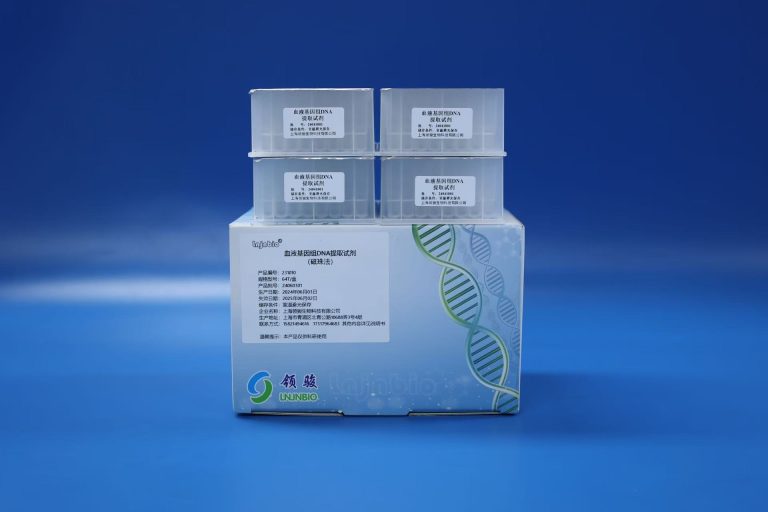
3. Application Case: Lingjun Bio 160014 Magnetic Beads with Lingjun Bio Plant Seed DNA Extraction Kit
| Sample No. | Sample Name | A260/A280 | A260/A230 | Conc. (ng/μL) |
| 1 | Peanut Embryo (1 pc) | 1.881 | 1.485 | 109.5 |
| 2 | Soybean Embryo (1 pc) | 1.946 | 2.053 | 361.7 |
| 3 | Corn Embryo (1 pc) | 2.014 | 2.192 | 547.3 |
| 4 | Wheat (1 grain) | 1.872 | 1.87 | 256.25 |
| 5 | Rice (1 grain) | 1.949 | 1.715 | 116.95 |
| 6 | Peanut Embryo (1 pc) | 1.837 | 1.343 | 96.85 |
| 7 | Soybean Embryo (1 pc) | 1.955 | 2.064 | 330.55 |
| 8 | Corn Embryo (1 pc) | 1.991 | 2.129 | 485.55 |
| 9 | Wheat (1 grain) | 1.811 | 1.729 | 268.45 |
| 10 | Rice (1 grain) | 1.902 | 1.537 | 106.95 |
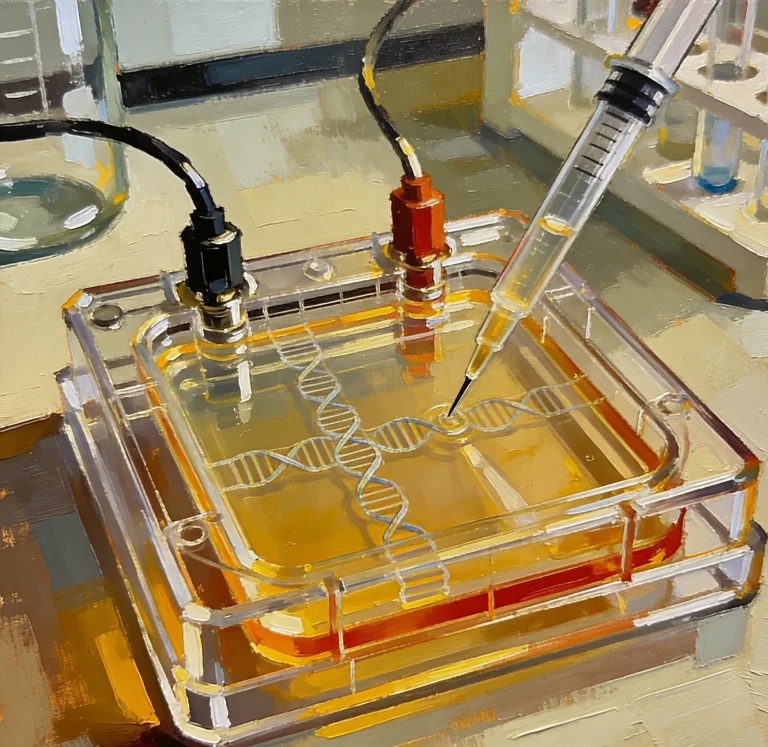
Electrophoresis image is as follows:
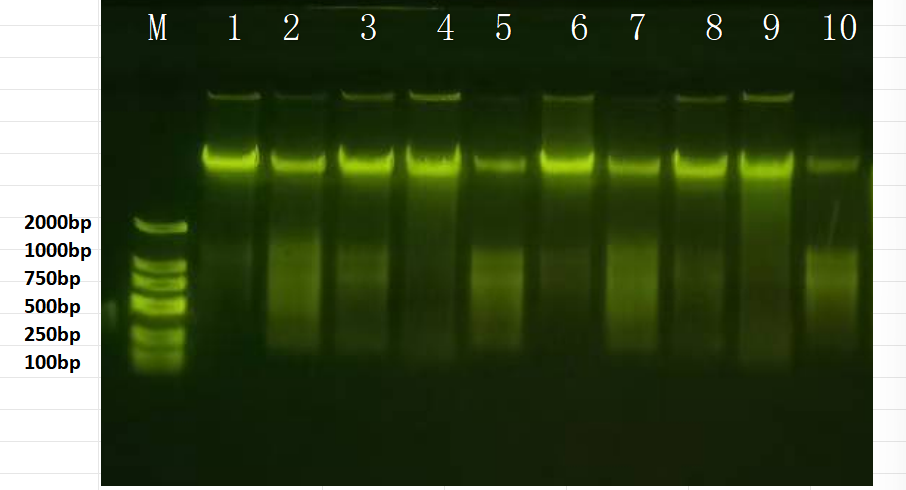
[Image Description: Electrophoresis results should be described here if needed, e.g., “Agarose gel electrophoresis image showing clear, intact bands for all samples.”]
Result Analysis:
Ultramicro Nucleic Acid Analyzer Tests: The results indicate A260/A280 ratios are above 1.8 and A260/A230 ratios are above 1.4, demonstrating high purity of the extracted products.
Agarose Gel Electrophoresis Results: Different plant seed samples show bright and intact bands.
In summary: The extraction of different plant seed samples yields products with high purity, high yield, and intact electrophoresis bands.
5. Present and Future: The Cornerstone of Precision Agriculture
Currently, although the magnetic bead method has a slightly higher cost than traditional methods, its significant advantages in throughput, standardization, and result stability are leading to its rapid adoption in seed quality control, breeding companies, and research institutions. With the explosive growth in demand for precision agriculture and molecular diagnostics, the magnetic bead method is being combined with portable devices, extending DNA analysis from the laboratory to the field.
Seeds are the “chips” of agriculture, and DNA extraction technology is the key tool for reading these chips. As new technologies like the magnetic bead method continue to improve, we are poised to unlock more of the genetic potential within seeds, providing stronger scientific and technological support for global food security and sustainable agricultural development.
Choosing the magnetic bead method is not just choosing a technology; it is choosing efficiency, accuracy, and the future.
Supplier
Shanghai Lingjun Biotechnology Co., Ltd. was established in 2016 which is a professional manufacturer of biomagnetic materials and nucleic acid extraction reagents.
We have rich experience in nucleic acid extraction and purification, protein purification, cell separation, chemiluminescence, and other technical fields.
Our products are widely used in many fields, such as medical testing, genetic testing, university research, genetic breeding, and so on. We not only provide products but also can undertake OEM, ODM, and other needs. If you have a related need, please feel free to contact us .