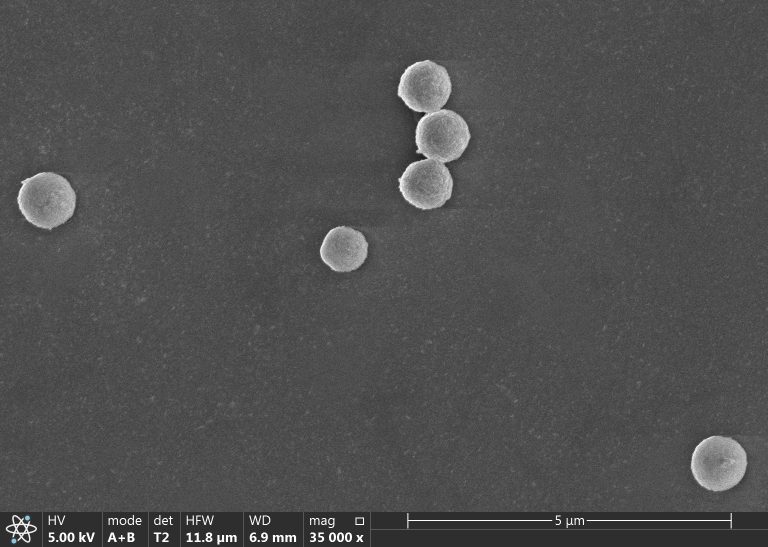
Fabricante profesional de perlas biomagnéticas

Informe de investigación de mercado de perlas magnéticas quimioluminiscentes.(2025)
Perlas magnéticas quimioluminiscentes, como material central en el campo de los inmunoensayos, han experimentado un rápido crecimiento tanto en el mercado global como en el chino en los últimos años.. Their key advantage lies in combining the efficiency of magnetic separation technology with the high sensitivity of chemiluminescent detection, making them widely applicable in tumor marker testing, infectious disease diagnosis, hormone detection, y más. Below is an analysis of market size, technological trends, panorama competitivo, and risks.
Market size and the drivers
The global chemiluminescent magnetic bead market will reach approximately $850 millones en 2023 and is expected to exceed $1.5 mil millones en 2030, con una tasa de crecimiento anual compuesta (CAGR) de 8.2%. China’s market is growing faster, with a market size of about 4 billion CNY in 2022. It is expected to increase to 10 billion CNY in 2029, benefiting from hierarchical diagnosis and treatment policies and the expansion of primary medical demand.
Los principales impulsores del crecimiento incluyen:
Aging Population and Disease Screening: Over 14% of China’s population is aged 65+, fueling demand for cancer and cardiovascular disease testing.
Localization Acceleration: Domestic companies like Mindray, Autobio, and New Industries have increased their coverage in tertiary hospitals to 55%, with the domestic substitution rate rising from 16% (2018) a 28% (2022).
Innovación Tecnológica: Advancements in surface modification (p.ej., carboxyl and streptavidin coatings) and automated equipment (p.ej., fully automated chemiluminescence analyzers) enhance testing efficiency.
Technology development and application field
Magnetic bead technology has been developed from traditional polystyrene magnetic microspheres to core-shell structure magnetic beads, which significantly reduces non-specific binding and improves sensitivity. Por ejemplo, the carboxyl magnetic beads of Nanjing Dongna Biology achieve efficient antibody coupling by optimizing the surface functional groups.
Application field distribution: Immunological testing (accounting for more than 85%) is mainly used for tumor markers (como PSA, CEA) and infectious diseases (such as HIV, hepatitis B) pruebas. Molecular diagnosis, magnetic beads are used for nucleic acid purification, and the annual growth rate of the market size is more than 20%. Environment and food safety, heavy metal ions, pesticide residue detection has become a new direction.
Competitive pattern and risk
Global giants (p.ej., Termo Fisher, Merck) hold ~70% of the market, but Chinese players are gaining ground through cost-effectiveness. Leading domestic manufacturers:
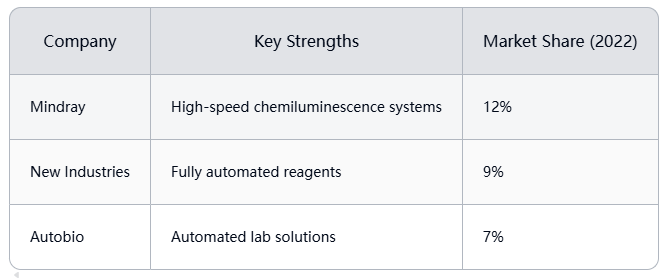
Risk factors: high technical barriers, complex magnetic bead preparation process, dependent import of core raw materials (such as high purity Fe3O4); under the influence of gathering policy, the price of chemiluminescence reagents is reduced by more than 30%, reducing the profits of enterprises; intensified international competition, Roche and Abbott bind reagents through closed system, squeezing the domestic replacement space.、
Future expectations
The chemiluminescent magnetic bead market will continue to benefit from precision medicine needs and technology iterations. Domestic enterprises need to break through the upstream raw material restrictions, and improve the terminal stickiness through the integration strategy of “instrumento + reagent”. Al mismo tiempo, emerging applications (such as POCT, multiple testing) may become new engines of growth.