Produsen Profesional Manik Biomagnetik


Presisi “Mengedit” dari Kode Kehidupan: Nilai Penerapan dan Pilihan Teknis Seleksi Fragmen DNA
Kata pengantar
Dalam lanskap penelitian ilmu kehidupan yang luas, Teknologi seleksi fragmen DNA bergerak dari belakang layar ke tengah panggung, menjadi jembatan inti yang menghubungkan sampel mentah dengan data pengurutan berkualitas tinggi. Dengan berkembangnya perkembangan sequencing generasi berikutnya, biopsi cair, genetika populasi, dan bidang lainnya, cara mendapatkan fragmen target dengan panjang tertentu secara akurat dari campuran asam nukleat kompleks telah menjadi faktor penting yang menentukan keberhasilan atau kegagalan eksperimen. Artikel ini akan meninjau secara sistematis skenario aplikasi inti seleksi fragmen DNA dan menyelidiki mengapa pemilihan fragmen berbasis manik magnetik menjadi solusi pilihan bagi semakin banyak peneliti..
1. Apa itu Seleksi Fragmen DNA?
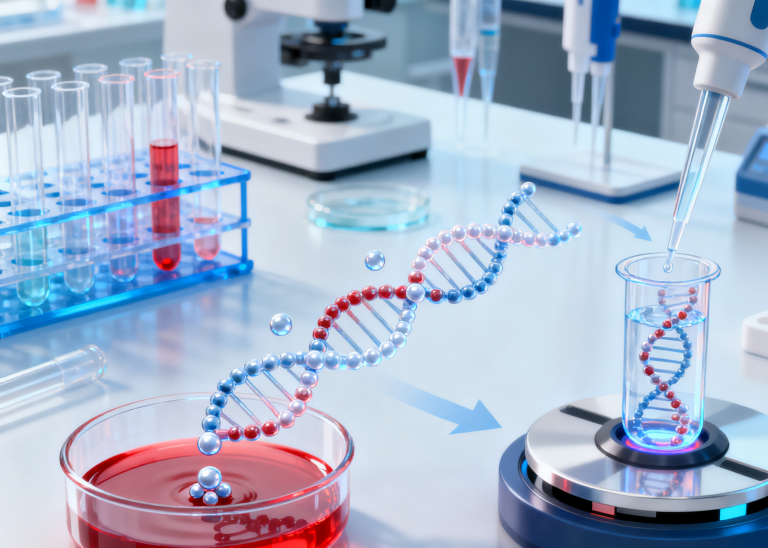
Seleksi fragmen DNA, seperti namanya, mengacu pada proses mengisolasi fragmen target secara tepat dalam rentang panjang tertentu dari campuran DNA dengan distribusi panjang yang berkelanjutan. Esensinya adalah a “tingkat molekuler” pemisahan presisi berdasarkan prinsip fisikokimia. Dalam konteks platform pengurutan generasi berikutnya yang memiliki persyaratan ketat untuk panjang fragmen perpustakaan (khas 300-500 bp), pentingnya seleksi fragmen menjadi semakin menonjol: jika fragmen terlalu panjang, panjang pembacaan urutan tidak dapat mencakupnya; jika terlalu pendek, hal ini dapat menyebabkan redundansi data atau kontaminasi adaptor; dan keseragaman fragmen secara langsung mempengaruhi kualitas pengurutan data dan keakuratan analisis selanjutnya. Sama seperti sistem penyortiran kurir yang memerlukan paket dengan ukuran yang tepat agar dapat melewati ban berjalan secara efisien, Seleksi fragmen DNA adalah “penyortir cerdas” memastikan kelancaran alur kerja pengurutan.
2. Skenario Aplikasi Inti: Dari Penelitian Dasar hingga Diagnosis Klinis
2.1 Persiapan Perpustakaan Sequencing Generasi Berikutnya: Itu “Kiper” Pengendalian Mutu
Dalam alur kerja persiapan perpustakaan NGS, pemilihan fragmen adalah “umpan kritis” menentukan kualitas perpustakaan. Baik memilih produk ligasi adaptor atau produk amplifikasi, tujuan intinya adalah menghilangkan fragmen yang tidak memenuhi syarat secara maksimal, meningkatkan efisiensi amplifikasi dan konsistensi perpustakaan.
Operasi spesifiknya meliputi: Melangkah 1, pemurnian manik—mengumpulkan semua produk dan menghilangkan kelebihan enzim, primer, dan pengotor lainnya dari sistem reaksi; Melangkah 2, pemilihan dua langkah—dengan menyesuaikan rasio manik, pertama-tama menghilangkan fragmen besar, kemudian menghilangkan kotoran yang terlalu kecil (misalnya, dimer adaptor); Melangkah 3, pengumpulan elusi—mengelusi fragmen target yang teradsorpsi pada manik-manik untuk percobaan selanjutnya. Proses ini memastikan fragmen perpustakaan akhir yang dimuat sangat seragam, meletakkan dasar untuk menghasilkan data pengurutan berkualitas tinggi.
2.2 DNA Bebas Sel (cfDNA) Analisa: Teknologi Inti Biopsi Cair
Sebagai target analit dalam biopsi cair, DNA bebas sel banyak digunakan dalam bidang-bidang seperti skrining tumor dini, diagnosis prenatal non-invasif, dan skrining penyakit imunodefisiensi. Namun, cfDNA hadir dalam jumlah rendah dalam sampel (terutama dalam plasma, serum, air seni, dan cairan tubuh lainnya), dan perbedaan ukuran fragmen kecil (misalnya, cfDNA janin biasanya kurang dari 150 bp). Metode konvensional kesulitan mencapai pemilihan fragmen cfDNA yang tepat dengan panjang tertentu.
Metode seleksi resolusi tinggi berdasarkan teknologi pemisahan magnetik memungkinkan pemulihan fragmen DNA panjang dan pendek secara terpisah. Validasi sampel klinis menunjukkan bahwa teknologi ini dapat memperkaya cfDNA janin dalam sampel plasma ibu, memungkinkan jendela deteksi lebih awal dan meningkatkan sensitivitas deteksi selama pemrosesan sampel diagnostik prenatal non-invasif. Serentak, pemilihan resolusi tinggi dapat mengurangi kedalaman pengurutan hilir, menghemat biaya pengurutan, dan memberikan dukungan teknis utama untuk mempopulerkan biopsi cair secara klinis.
2.3 Urutan genom yang disederhanakan (RAD-Seq): Alat yang Ampuh untuk Genetika Populasi
Di ddRAD-Seq (pengurutan DNA terkait situs pembatasan pencernaan ganda) teknologi, ketepatan pemilihan fragmen berdampak langsung pada kualitas penelitian. ddRAD-Seq melibatkan pencernaan ganda genom ditambah dengan pemilihan ukuran fragmen yang dicerna, menghasilkan urutan dengan situs pembatasan berbeda di setiap ujung dan panjang yang sama. Dibandingkan dengan RAD-Seq tradisional, ddRAD-Seq menerapkan seleksi yang lebih ketat pada perpustakaan DNA; dengan throughput yang sama, itu mencapai kedalaman urutan yang lebih besar, akurasi yang lebih tinggi, dan memungkinkan lebih banyak sampel untuk dianalisis, sehingga meningkatkan pemanfaatan data. Studi menunjukkan hal itu setelah pemilihan fragmen DNA yang tepat, lebih 90% dari fragmen yang diurutkan dari setiap perpustakaan berada dalam kisaran ukuran target (misalnya, 220-420 bp). Seleksi dengan presisi tinggi sangat penting untuk analisis keanekaragaman genetik populasi skala besar, konstruksi peta keterkaitan genetik, pemetaan QTL, dan bidang penelitian lainnya.
2.4 Pemurnian Produk PCR: Kebutuhan Rutin dalam Biologi Molekuler Dasar
Mengikuti amplifikasi PCR konvensional, produk sering kali mengandung kotoran seperti dimer primer dan fragmen amplifikasi non-spesifik, yang dapat mengganggu ligasi hilir, kloning, atau mengurutkan reaksi. Teknologi pemilihan fragmen berbasis manik dapat menghilangkan kotoran ini secara efisien dan memulihkan fragmen target di atasnya 100 bp. Dibandingkan dengan metode ekstraksi gel tradisional, metode manik magnetik menawarkan pengoperasian yang lebih sederhana, waktu pemrosesan lebih singkat, dan kehilangan sampel minimal.
3. Mengapa Memilih Pemilihan Fragmen Berbasis Manik Magnetik?
3.1 Keunggulan Resolusi: Diskriminasi yang Tepat, Seleksi Jendela Sempit
Ekstraksi elektroforesis gel agarosa tradisional memiliki resolusi terbatas, melibatkan langkah-langkah rumit, dan paparan sinar UV dapat merusak DNA. Sebaliknya, Teknologi pemilihan fragmen berbasis manik magnetik memungkinkan penargetan ukuran fragmen tertentu secara tepat dengan menyesuaikan rasio manik terhadap sampel. Manik-manik lebih disukai mengikat fragmen asam nukleat yang lebih besar. Ketika rasio volume manik-manik terhadap sampel meningkat, efisiensi mengikat fragmen yang lebih kecil meningkat, sementara efisiensi mengikat fragmen yang lebih besar menurun. Akibatnya, operator dapat dengan bebas memilih rentang fragmen yang akan dipilih, memenuhi kebutuhan aplikasi yang memerlukan rentang panjang asam nukleat yang berbeda dan mencapai jendela pemilihan yang sempit, seperti 200bp ± 5%.
3.2 Kompatibilitas Otomatisasi: Pilihan yang Tak Terelakkan untuk Throughput Tinggi, Alur Kerja Standar
Dengan peningkatan terus menerus dalam throughput pengurutan, hambatan dalam pengoperasian manual menjadi semakin jelas: langkah-langkah rumit yang rentan terhadap kesalahan, kehilangan sampel (terutama dengan sampel kecil), eksperimen tunggal mengambil alih 2 jam, dan hasil seleksi sangat bergantung pada pengalaman operator. Teknologi pemilihan fragmen berbasis manik magnetik sangat kompatibel dengan stasiun kerja penanganan cairan otomatis, memungkinkan pemrosesan yang sepenuhnya otomatis 96 sampel di dalamnya 1 jam. Ini menawarkan metode otomatisasi yang matang, reagen yang stabil, dan sistem bahan habis pakai terbuka.
Keuntungan dari platform otomatis antara lain: pemipetan yang tepat memastikan konsistensi dalam penambahan reagen; metode pencampuran khusus menjamin keseragaman reaksi; dan otomatisasi tingkat tinggi memungkinkan adaptasi yang fleksibel terhadap alur kerja persiapan reagen perpustakaan yang berbeda. Hal ini membebaskan peneliti dari pekerjaan yang berulang, memungkinkan mereka untuk fokus pada pertanyaan ilmiah yang lebih berharga.
3.3 Tingkat Pemulihan dan Kemurnian: Penjaga Terbaik untuk Sampel Berharga
Untuk sampel berharga dengan kandungan DNA rendah, seperti cfDNA, tingkat pemulihan adalah indikator inti dalam pemilihan teknologi. Manik-manik magnetik berbasis silika berkualitas tinggi dapat mencapai kapasitas pengikatan asam nukleat >20 μg DNA/mg manik-manik dan menunjukkan efisiensi pemulihan yang tinggi untuk fragmen di atas. 100 bp. Lebih-lebih lagi, kontrol kimia permukaan manik yang tepat memastikan adsorpsi non-spesifik yang sangat rendah. Produk akhir yang dielusi memiliki kemurnian tinggi, cukup untuk aplikasi hilir yang paling sensitif tanpa memerlukan pemurnian sekunder.
4. Kemudahan Pengoperasian: Lompatan dari “Seni” ke “Sains”
Keuntungan inti dari metode manik magnetik terletak pada tingkat pengendalian dan standarisasi yang tinggi. Dengan menyesuaikan rasio manik-ke-sampel, seseorang dapat secara fleksibel mencapai penghapusan fragmen kecil, penghapusan fragmen besar, atau pemilihan ukuran ganda untuk pemulihan fragmen target. Setelah rasio optimal untuk sistem eksperimen tertentu ditentukan, hal ini dapat didokumentasikan sebagai Prosedur Operasi Standar (SOP), memastikan reproduktifitas intra-laboratorium. Ini mengubah pemilihan fragmen dari yang bergantung pada pengalaman “seni” menjadi berbasis data “sains.”
Kesimpulan: Seleksi Presisi Memberdayakan Penelitian Ilmiah
Dari persiapan perpustakaan NGS hingga biopsi cair, dari genetika populasi hingga kloning molekuler rutin, Teknologi seleksi fragmen DNA menjadi alat utama dalam penelitian ilmu hayati karena keunggulan presisinya yang unik, efisiensi, dan kompatibilitas otomatisasi. Memilih manik seleksi berkinerja tinggi berarti memastikan keakuratannya, keandalan, dan reproduksibilitas data eksperimen dari sumbernya.
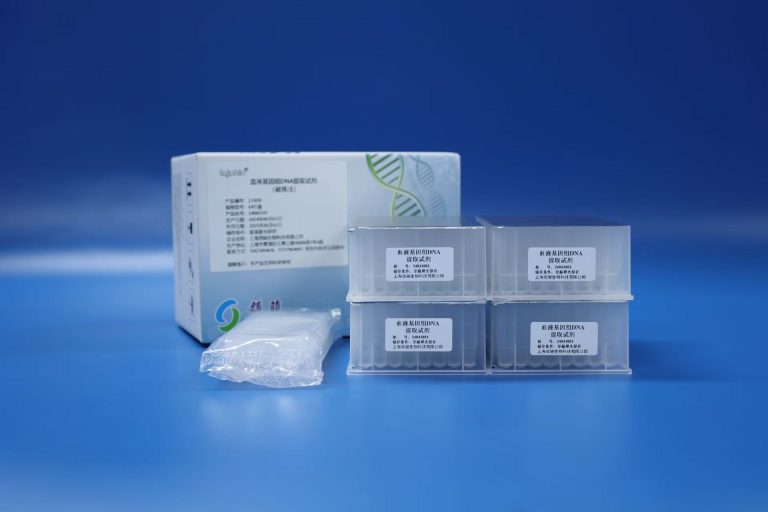
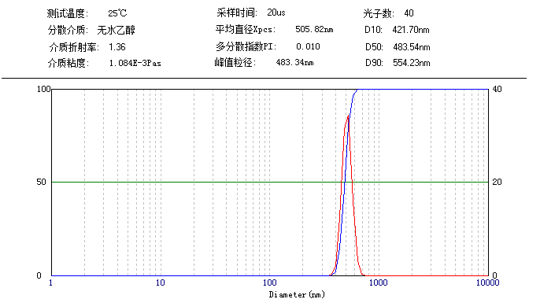
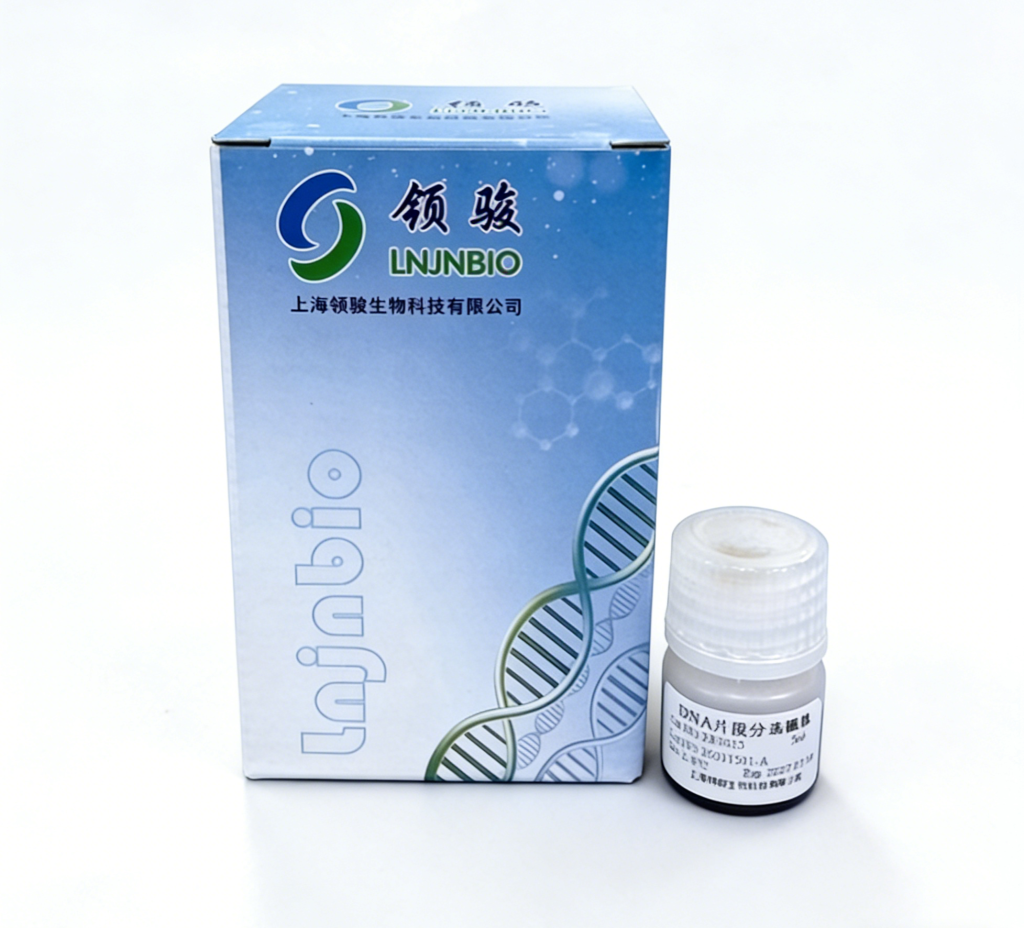
Itu Lingjun Bio FR0015 Manik Pemilihan Ukuran DNA dengan keseragaman ukuran partikel yang luar biasa (PDIP < 0.05), kimia permukaan yang dikontrol secara ketat, dan daya tanggap magnetik yang luar biasa, memberikan landasan material yang kokoh dan andal untuk berbagai aplikasi pemilihan fragmen. Kami berkomitmen untuk menjadi mitra terpercaya Anda di jalur penelitian ilmiah, memastikan setiap langkah perjalanan dari sampel hingga data jelas, tepat, dan dapat dipercaya.
Pemasok
Shanghai Lingjun Bioteknologi Co., Ltd.didirikan pada 2016 yang merupakan produsen profesional bahan biomagnetik dan reagen ekstraksi asam nukleat.
Kami memiliki pengalaman yang kaya dalam ekstraksi dan pemurnian asam nukleat, pemurnian protein, pemisahan sel, kimialuminesensi, dan bidang teknis lainnya.
Produk kami banyak digunakan di berbagai bidang, misalnya tes kesehatan, pengujian genetik, penelitian universitas, pemuliaan genetik, dan sebagainya. Kami tidak hanya menyediakan produk tetapi juga dapat melakukan OEM, ODM, dan kebutuhan lainnya. Jika Anda memiliki kebutuhan terkait, jangan ragu untuk menghubungi kami .