Produsen Profesional Manik Biomagnetik

Peran besi klorida, etilen glikol dan polietilen glikol dalam sintesis manik magnetik
Dalam sintesis solvotermal (misalnya, metode hidrotermal atau poliol) dari manik-manik magnetik (terutama manik-manik Fe₃O₄), besi klorida (FeCl₃), etilen glikol (MISALNYA), dan polietilen glikol (PASAK) bekerja secara sinergis untuk mengatur nukleasi, pertumbuhan, morfologi, dan stabilitas manik-manik. Di bawah ini adalah penjelasan rinci tentang mekanismenya:
SAYA. Peran Ferri Klorida (FeCl₃)
Fungsi Inti: Sumber Besi (Persediaan Ion Fe³⁺)
Menyediakan Prekursor Reaksi
FeCl₃ berdisosiasi dalam larutan untuk melepaskan ion Fe³⁺, berfungsi sebagai sumber besi utama untuk pembentukan Fe₃O₄.
Dalam lingkungan reduktif (misalnya, sistem etilen glikol), Fe³⁺ tereduksi sebagian menjadi Fe²⁺, akhirnya membentuk Fe₃O₄ (Fe²⁺Fe³⁺₂O₄).
Kontrol Hidrolisis (Memerlukan Kehati-hatian)
Fe³⁺ mudah terhidrolisis membentuk besi oksihidroksida (misalnya, FeOOH), yang dapat mengganggu pembentukan Fe₃O₄ fase murni.
Hidrolisis harus ditekan melalui kondisi basa (misalnya, menambahkan natrium asetat) atau agen pereduksi (misalnya, etilen glikol) untuk memastikan pembentukan Fe₃O₄.
II. Peran Etilen Glikol (HO-CH₂-CH₂-OH)
Fungsi Inti: Pelarut, Agen Pereduksi, Surfaktan
Agen Pereduksi (Peran Penting)
Pada suhu tinggi (>150°C), etilen glikol dioksidasi menjadi glioksal (OHC-CHO) atau asam asetat, mereduksi Fe³⁺ menjadi Fe²⁺:
2Fe3++HOCH2CH2OH→2Fe2++OHC−CHO+2H+
Mempertahankan Fe²⁺/Fe³⁺ ≈ 1:2 perbandingan, memastikan pembentukan magnet Fe₃O₄ bukan Fe₂O₃.
Pelarut dengan Titik Didih Tinggi
Titik didih tinggi (197°C) memungkinkan reaksi solvotermal/hidrotermal (lingkungan/tekanan tinggi, kondisi suhu tinggi), memfasilitasi pertumbuhan kristal.
Modifikasi Permukaan dan Kontrol Morfologi
Gugus hidroksil (-OH) etilen glikol teradsorpsi pada permukaan Fe₃O₄, menekan aglomerasi melalui hambatan sterik.
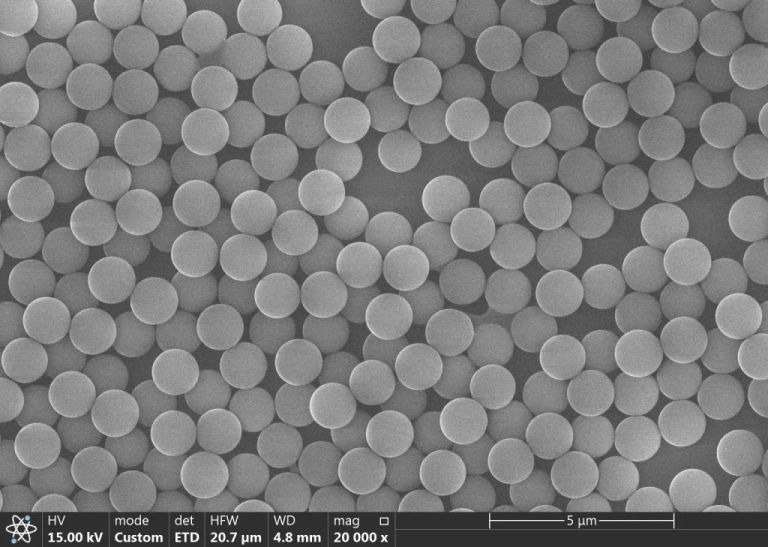
Memodulasi kinetika pertumbuhan partikel, mempromosikan partikel bulat atau kubik monodispersi.
AKU AKU AKU. Peran Polietilen Glikol (PASAK, H-(O-CH₂-CH₂)_n-OH)
Fungsi Inti: Surfaktan Polimer (Dispersan, Direktur Morfologi)
Penstabil Sterik
Rantai PEG teradsorpsi pada permukaan partikel, membentuk lapisan pelindung hidrofilik yang secara fisik menghalangi aglomerasi partikel.
Secara signifikan meningkatkan stabilitas koloid jangka panjang (terutama pada media air).
teks biasa
[Inti Fe₃O₄] ← Rantai PEG (Cangkang Hidrofilik) → Penghalang terhadap pendekatan partikel
Morfologi dan Kontrol Ukuran
Panjang rantai bervariasi dengan berat molekul (misalnya, PEG-2000, PEG-6000):
PEG rantai pendek (UM rendah): Menghasilkan partikel kecil (5-20 nm).
PEG rantai panjang (UM tinggi): Mempromosikan perakitan mandiri menjadi struktur yang kompleks (misalnya, seperti bunga, seperti rantai).
Adsorpsi selektif pada permukaan kristal memandu pertumbuhan anisotropik (misalnya, kubus, segi delapan).
Biokompatibilitas yang Ditingkatkan
Manik-manik berlapis PEG menampilkan eter (-HAI-) dan hidroksil (-OH) kelompok, menyediakan:
Adsorpsi protein rendah → Mengurangi pengikatan non-spesifik
Hidrofilisitas tinggi → Ideal untuk aplikasi biomedis (misalnya, Agen kontras MRI, pembawa narkoba).
Mekanisme Sinergis dari Ketiganya
Tahap Reaksi Awal
FeCl₃ larut dalam etilen glikol, membentuk kompleks Fe³⁺-EG.
Etilen glikol mereduksi Fe³⁺ menjadi Fe²⁺ pada suhu tinggi, sementara PEG teradsorpsi ke inti yang baru lahir.
Tahap Pertumbuhan Kristal
PEG mengontrol arah/ukuran pertumbuhan; etilen glikol mempertahankan pengurangan lingkungan.
Fe³⁺/Fe²⁺ mengendap sebagai Fe₃O₄ dalam kondisi basa (disediakan oleh natrium asetat, dll.).
Jaminan Stabilitas
PEG dan etilen glikol bersama-sama membentuk lapisan pelindung ganda (hambatan sterik + tolakan elektrostatik), mencegah aglomerasi.
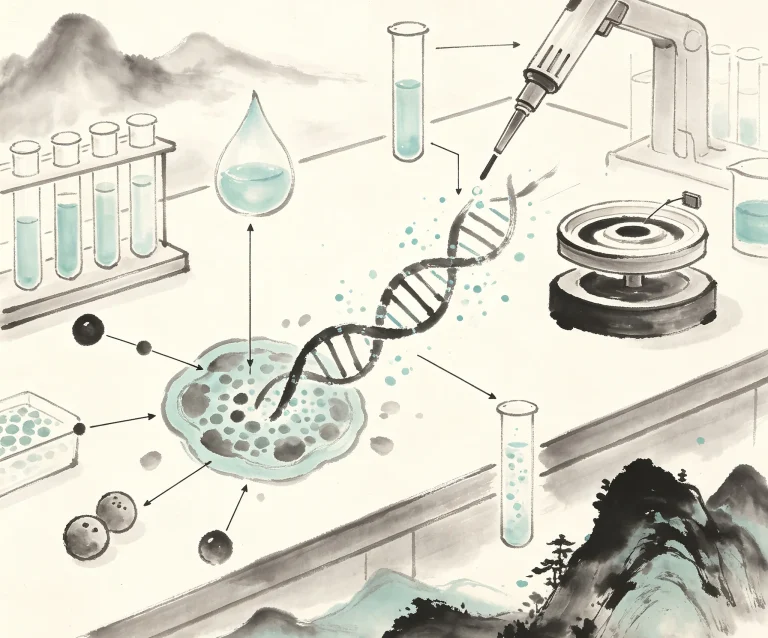
Alur Kerja Sintesis Khas (Metode Solvotermal)
Perbedaan dan Ringkasan Utama
| Reagen | Fungsi Inti(S) | Kontribusi Unik |
| FeCl₃ | Sumber besi (Fe³⁺) | Prekursor reaksi |
| Etilen Glikol | Pelarut + Agen pereduksi + Dispersan | Mengurangi Fe³⁺→Fe²⁺, mengontrol morfologi |
| PASAK | Surfaktan polimer | Stabilisasi sterik, peningkatan biokompatibilitas |
Dengan menyesuaikan rasio komponen dan kondisi reaksi (suhu, waktu), ukuran manik (5-200 nm), morfologi (bola, kubus, bunga), dan daya tanggap magnetis dapat direkayasa secara tepat.
Pemasok
Shanghai Lingjun Bioteknologi Co., Ltd.didirikan pada 2016 yang merupakan produsen profesional bahan biomagnetik dan reagen ekstraksi asam nukleat.
Kami memiliki pengalaman yang kaya dalam ekstraksi dan pemurnian asam nukleat, pemurnian protein, pemisahan sel, kimialuminesensi, dan bidang teknis lainnya.
Produk kami banyak digunakan di berbagai bidang, misalnya tes kesehatan, pengujian genetik, penelitian universitas, pemuliaan genetik, dan sebagainya. Kami tidak hanya menyediakan produk tetapi juga dapat melakukan OEM, ODM, dan kebutuhan lainnya. Jika Anda memiliki kebutuhan terkait, jangan ragu untuk menghubungi kami .