உயிர் காந்த மணிகளின் தொழில்முறை உற்பத்தியாளர்

ஃபெரிக் குளோரைட்டின் பங்கு, காந்த மணிகளின் தொகுப்பில் எத்திலீன் கிளைகோல் மற்றும் பாலிஎதிலீன் கிளைகோல்
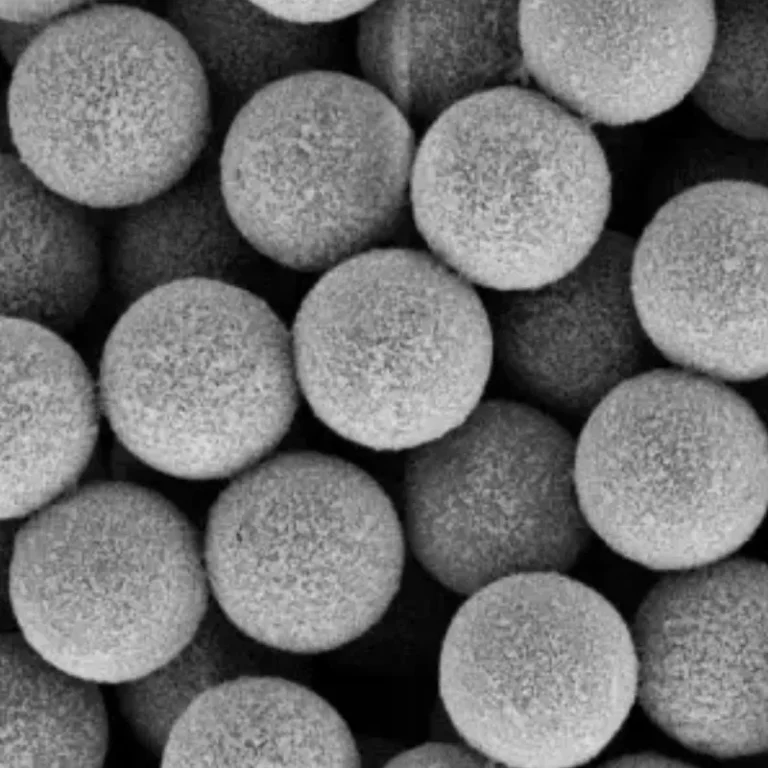
solvothermal தொகுப்பில் (எ.கா., நீர் வெப்ப அல்லது பாலியோல் முறைகள்) காந்த மணிகள் (குறிப்பாக Fe₃O₄ மணிகள்), பெர்ரிக் குளோரைடு (FeCl₃), எத்திலீன் கிளைகோல் (EG), மற்றும் பாலிஎதிலீன் கிளைகோல் (PEG) அணுக்கருவை ஒழுங்குபடுத்த ஒருங்கிணைத்து வேலை செய்யுங்கள், வளர்ச்சி, உருவவியல், and stability of the beads. Below is a detailed explanation of their mechanisms:
ஐ. Role of Ferric Chloride (FeCl₃)
முக்கிய செயல்பாடு: Iron Source (Supplies Fe³⁺ Ions)
Providing Reaction Precursor
FeCl₃ dissociates in solution to release Fe³⁺ ions, serving as the primary iron source for Fe₃O₄ formation.
In reductive environments (எ.கா., ethylene glycol systems), Fe³⁺ is partially reduced to Fe²⁺, ultimately forming Fe₃O₄ (Fe²⁺Fe³⁺₂O₄).
Hydrolysis Control (Requires Caution)
Fe³⁺ readily hydrolyzes to form iron oxyhydroxides (எ.கா., FeOOH), which may interfere with pure-phase Fe₃O₄ formation.
Hydrolysis must be suppressed via alkaline conditions (எ.கா., adding sodium acetate) or reducing agents (எ.கா., எத்திலீன் கிளைகோல்) to ensure Fe₃O₄ generation.
II. Role of Ethylene Glycol (HO-CH₂-CH₂-OH)
Core Functions: Solvent, குறைக்கும் முகவர், Surfactant
குறைக்கும் முகவர் (Critical Role)
At high temperatures (>150°C), ethylene glycol is oxidized to glyoxal (OHC-CHO) or acetic acid, reducing Fe³⁺ to Fe²⁺:
2Fe3++HOCH2CH2OH→2Fe2++OHC−CHO+2H+
Maintains the Fe²⁺/Fe³⁺ ≈ 1:2 விகிதம், ensuring formation of magnetic Fe₃O₄ instead of Fe₂O₃.
High-Boiling-Point Solvent
High boiling point (197°C) enables solvothermal/hydrothermal reactions (ambient/high-pressure, high-temperature conditions), facilitating crystal growth.
Surface Modification and Morphology Control
Hydroxyl groups (-ஓ) of ethylene glycol adsorb onto Fe₃O₄ surfaces, suppressing agglomeration via steric hindrance.
Modulates particle growth kinetics, promoting monodisperse spherical or cubic particles.
III. Role of Polyethylene Glycol (PEG, H-(O-CH₂-CH₂)_n-OH)
முக்கிய செயல்பாடு: Polymeric Surfactant (Dispersant, Morphology Director)
Steric Stabilizer
PEG chains adsorb onto particle surfaces, forming a hydrophilic protective layer that physically blocks particle agglomeration.
Significantly enhances long-term colloidal stability (especially in aqueous media).
plaintext
[Fe₃O₄ Core] ← PEG Chains (Hydrophilic Shell) → Barrier against particle approach
Morphology and Size Control
Chain length varies with molecular weight (எ.கா., PEG-2000, PEG-6000):
Short-chain PEG (low MW): Yields small particles (5-20 nm).
Long-chain PEG (high MW): Promotes self-assembly into complex structures (எ.கா., flower-like, chain-like).
Selective adsorption onto crystal facets guides anisotropic growth (எ.கா., cubes, octahedrons).
Enhanced Biocompatibility
PEG-coated beads feature ether (-O-) and hydroxyl (-ஓ) குழுக்கள், providing:
Low protein adsorption → Reduced non-specific binding
High hydrophilicity → Ideal for biomedical applications (எ.கா., MRI contrast agents, drug carriers).
Synergistic Mechanism of the Trio
Initial Reaction Stage
FeCl₃ dissolves in ethylene glycol, forming Fe³⁺-EG complexes.
Ethylene glycol reduces Fe³⁺ to Fe²⁺ at high temperatures, while PEG adsorbs onto nascent nuclei.
Crystal Growth Stage
PEG controls growth direction/size; ethylene glycol maintains reducing environment.
Fe³⁺/Fe²⁺ coprecipitate as Fe₃O₄ under alkaline conditions (provided by sodium acetate, முதலியன).
Stability Assurance
PEG and ethylene glycol jointly form a dual protective layer (steric hindrance + electrostatic repulsion), திரட்சியைத் தடுக்கும்.
Typical Synthesis Workflow (Solvothermal Method)
Key Differences and Summary
| Reagent | முக்கிய செயல்பாடு(கள்) | Unique Contribution |
| FeCl₃ | Iron source (Fe³⁺) | Reaction precursor |
| Ethylene Glycol | Solvent + Reducing agent + Dispersant | Reduces Fe³⁺→Fe²⁺, controls morphology |
| PEG | Polymeric surfactant | Steric stabilization, biocompatibility enhancement |
By adjusting ratios of these components and reaction conditions (வெப்பநிலை, நேரம்), bead size (5-200 nm), உருவவியல் (spheres, cubes, மலர்கள்), and magnetic responsiveness can be precisely engineered.
சப்ளையர்
ஷாங்காய் லிங்ஜுன் பயோடெக்னாலஜி கோ., லிமிடெட்இல் நிறுவப்பட்டது 2016 உயிர் காந்த பொருட்கள் மற்றும் நியூக்ளிக் அமிலம் பிரித்தெடுக்கும் உலைகளின் தொழில்முறை உற்பத்தியாளர்.
நியூக்ளிக் அமிலம் பிரித்தெடுத்தல் மற்றும் சுத்திகரிப்பு ஆகியவற்றில் எங்களுக்கு சிறந்த அனுபவம் உள்ளது, புரத சுத்திகரிப்பு, செல் பிரிப்பு, இரசாயன ஒளிர்வு, மற்றும் பிற தொழில்நுட்ப துறைகள்.
எங்கள் தயாரிப்புகள் பல துறைகளில் பரவலாகப் பயன்படுத்தப்படுகின்றன, மருத்துவ பரிசோதனை போன்றவை, மரபணு சோதனை, பல்கலைக்கழக ஆராய்ச்சி, மரபணு இனப்பெருக்கம், மற்றும் பல. நாங்கள் தயாரிப்புகளை வழங்குவது மட்டுமல்லாமல் OEM ஐயும் மேற்கொள்ள முடியும், ODM, மற்றும் பிற தேவைகள். உங்களுக்கு தொடர்புடைய தேவை இருந்தால், தயவு செய்து எங்களை தொடர்பு கொள்ளவும் .