生体磁気ビーズの専門メーカー


PCR増幅キットの市場実現可能性分析レポート
1.プロジェクトの概要と背景分析
ポリメラーゼ連鎖反応 (PCR) テクノロジー, 分子生物学研究の基礎として, 大学の科学研究に欠かせないツールとなっています. 生命科学など複数の分野にわたる実験教育, 薬, 農業, そして生物工学, PCR技術が中心的な位置を占める. 市場調査データによると, 世界の PCR 市場は約 $7 億で 2019 約に成長すると予想されます $12 10億まで 2025, 年間平均成長率は約 10%. 中国, 世界的な R 分野で最も急速な成長を遂げている国の 1 つとして&D投資, 以上のアカウント 30% 大学における PCR キットの市場総需要のうち, そしてこの割合は増加し続けています.
大学の研究には独特の特徴を持つ PCR キットが必要です: 教育ラボには費用対効果の高いものが必要です, 大規模実験用の安定したキット, 一方、研究機関は信頼性の高い信頼性を必要とします, 最先端の研究をサポートする再現可能な製品. しかし, 大学は現在ジレンマに直面している: 輸入ブランドは予算が限られていると法外に高価になる, 国内の代替品の品質は大きく異なりますが、, 実験結果を損なう. この不均衡は、研究資金が限られている研究機関において特に深刻です。, 科学的研究の効率と深みの両方を著しく妨げる.
国内の PCR キット市場は現在、Thermo Fisher Scientific などの国際的な大手企業によって独占されています。, バイオラッド, とアジレント. 自社の製品は信頼できるものですが、, 値段が高すぎることが多い, また、アフターサービスは大学研究の緊急のニーズに必ずしも応えられるとは限りません。. したがって, 費用対効果の高い開発, 安定した, 学術研究向けに特別に設計されたユーザーフレンドリーな PCR 増幅キットは、大きな市場の可能性と社会的価値を秘めています.
このプロジェクトの主な目的は、費用対効果の高いシステムを開発することです。, 安定した, 配合と製造プロセスの最適化により、使いやすい PCR 増幅キットを実現, これにより、高等教育機関における学術研究と教育の多様なニーズに対応します。. 販売後の万全な技術サポート体制の確立も目指します, 大学ユーザーにタイムリーな技術指導と問題解決ソリューションを提供する. さらに, 国産研究用試薬の品質向上を目指すプロジェクト, 学術機関の研究コストを削減する, 中国の科学研究と教育部門の発展に貢献する.
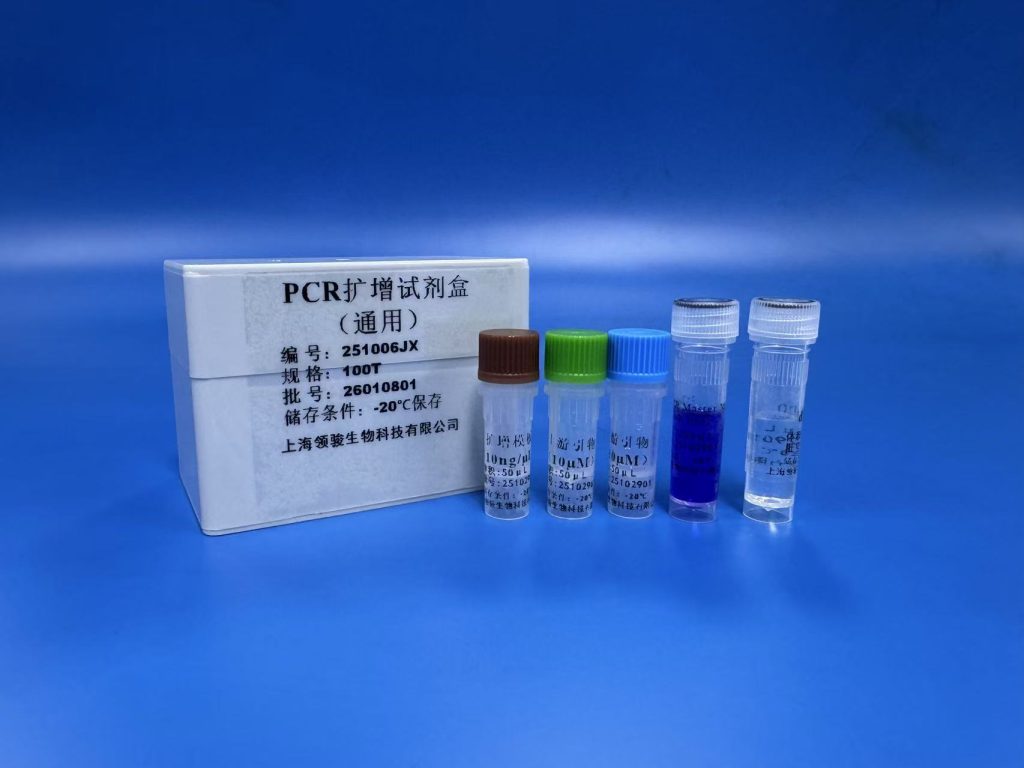
2.市場需要分析市場の推進力
大学向けPCRキット市場はその巨大な規模と持続的な成長が特徴. 統計によると中国は終わった 3,000 高等教育機関, 以上の 500 ライフサイエンスと関連分野の提供. 各機関は、さまざまな規模の複数の研究および教育研究所を維持しています。, PCRキットに対する強い需要を生み出している. 例えば, 総合大学の生命科学部では通常、 100,000 に 500,000 分子生物学実験用の PCR 試薬で年間元, 年間市場総額は数百億元と推定される.
その間, 科学研究への国家投資の継続的な増加に伴い, 大学の研究資金は安定した成長を維持している, PCRキット市場に力強い成長の勢いをもたらす. 特に次のような背景の下では、 “ダブルファーストクラス” 規律の構築, 大学は実験教育と研究レベルの質をますます重視するようになっている, 高品質の PCR キットの需要がさらに高まる. 業界のレポートによると, 中国のマルチプレックス PCR 増幅キット業界は、今後も安定した成長傾向を維持すると予想されます。 2023 に 2028, 大学向け一般PCRキットプロジェクトに有利な市場環境を提供.
3.技術的実現可能性分析
標準的な PCR 増幅キットの開発は、成熟した分子生物学技術に基づいています。, 比較的管理しやすい技術的障壁がある. 発明されて以来、 1985, PCR技術は確立されたシステムへと進化しました, 十分に発達した原材料サプライチェーンに支えられています, プロジェクトに強固な技術基盤を提供する.
コア原料に関して, DNAポリメラーゼの発現や精製などの主要技術の国産化で画期的な成果を達成, dNTPの合成と精製, バッファシステムの最適化. This has eliminated complete reliance on imported materials, paving the way for cost reduction. Several domestic biotech companies have mastered the production technology of high-quality Taq DNA polymerase, with product quality matching imported counterparts while achieving significantly lower costs.
In terms of equipment, the laboratory facilities and production equipment required for PCR kit development are now widely available in China, including fermenters, protein purification systems, and freeze-dryers. This allows the establishment of standardized production lines without requiring substantial investment. University research teams typically possess standard molecular biology laboratory conditions, which can meet the basic needs for kit development and testing.
4.Technical Innovation
Intelligent Buffer System. This system addresses the common complex templates in universities by developing an adaptive buffer system that automatically optimizes reaction conditions based on template characteristics, thereby improving the success rate of single-round amplification. The system integrates multiple stabilizers and enhancers to handle templates of varying complexity, significantly reducing optimization time.
The rapid amplification procedure: the enzyme composition and buffer composition were optimized, which shortened the PCR amplification time by 30%-50%, supported the rapid cycle condition, improved the efficiency of scientific research in universities, and was especially suitable for the limited teaching experiment time.
Multi-functional formulation design: We developed a multi-purpose premixed solution that enables a single kit to meet diverse application scenarios including standard PCR, high-fidelity PCR, and long-fragment PCR. This innovation enhances user convenience for academic institutions while reducing the variety of reagent stocks required.
The addition of direct loading dye in the reagent allows for direct electrophoresis without loading buffer after amplification, simplifying the procedure and reducing the operational difficulty for beginners, making it particularly suitable for teaching experiments.
5.The production and operation
PCR reagent kits will follow the principles of standardization and normalization, and establish a sound quality management system. The production process mainly includes raw material procurement and inspection, core enzyme preparation, buffer preparation, packaging and finished product inspection.
The production model employs a hybrid strategy of “in-house core manufacturing + outsourced collaboration”: core materials such as Taq DNA polymerase are produced in-house to maintain control over key technologies; generic materials like dNTPs and standard chemical reagents are procured through outsourcing, with a stringent supplier audit system in place; packaging materials are fully outsourced but require customized production and enhanced quality control upon delivery.
The quality control system will follow the Good Manufacturing Practice (GMP) for medical devices and ISO13485 standards, establishing a comprehensive quality control system from raw material storage to finished product release. Each batch must undergo performance testing (including amplification efficiency, 特異性, そして安定性), sterility testing, and packaging integrity checks to ensure consistent and reliable product quality.
6.Risk Analysis and Response Strategies
Market risks are mainly reflected in intensified market competition, changes in market demand, and market acceptance.
6.1 Market Competition Risks:
International brands leverage their technological edge and brand influence, while domestic manufacturers compete through price wars, intensifying market competition. Strategies to address this include: 1) Defining clear target market positioning by focusing on university research sectors, and building competitive advantages through cost-effective products and premium technical services; 2) Establishing strategic partnerships with key universities to conduct technical seminars and training programs, thereby enhancing brand awareness.
6.2 Market demand volatility risk:
As university research focuses and hotspots evolve continuously, demand may shift. To address this, implement a flexible production system to enhance responsiveness to market changes; develop modular product lines to meet specialized needs across different sectors; and conduct regular market research to promptly identify research trends and adjust product strategies.
6.3Market Acceptance Risk:
University users may harbor biases or concerns regarding domestically produced diagnostic kits. To address this, the following strategies should be implemented: 1) Provide free trial kits and comparative efficacy data to enable users to evaluate product performance through hands-on experience; 2) Publish methodological papers in authoritative journals with detailed application data and comparative results to scientifically validate product performance; 3) Invite influential experts in the field to conduct third-party evaluations to enhance product credibility.
まとめ
The project demonstrates strong market viability. The academic research sector has a rigid demand for PCR kits, with a large and steadily growing market. By delivering cost-effective, reliable products supported by professional technical services, the project is well-positioned to achieve significant market share within 3-5 年.
Secondly, from a technical feasibility standpoint, PCR technology is mature and reliable, with an increasingly robust supply chain. Domestic teams are fully capable of developing high-quality products that meet the research needs of universities. Through strategic technological innovation and process optimization, we can produce products that rival international brands in performance while offering more competitive pricing.
Thirdly, from the economic feasibility analysis, the total investment of the project is moderate, the investment recovery period is reasonable, the expected economic benefit is remarkable, and the financial feasibility is good. After the project is implemented, it can not only achieve considerable economic benefit, but also produce social benefit of reducing the cost of scientific research in colleges and universities and promoting the development of scientific research and education.
結論は, the general PCR amplification kit project for university research demonstrates high feasibility and significant investment value, warranting prompt implementation. Key implementation priorities include: 1) Enhancing technological innovation and product quality to build core competitiveness; 2) Establishing a flexible marketing system to rapidly penetrate the academic market; 3) Strengthening talent development to ensure sustainable project growth.
Through the implementation of this project, it will provide high-quality domestic PCR reagent kits for university research work, reduce the cost of scientific research, improve the overall level of scientific research and education in China, and create good economic returns for investors, achieving a win-win situation of social and economic benefits.
サプライヤー
上海霊軍生物技術有限公司, 株式会社に設立されました 2016 生体磁性材料と核酸抽出試薬の専門メーカーです.
核酸抽出・精製の経験が豊富です。, タンパク質の精製, 細胞分離, 化学発光, その他の技術分野.
当社の製品はさまざまな分野で広く使用されています, 医療検査など, 遺伝子検査, 大学の研究, 遺伝子育種, 等々. 製品のご提供だけでなくOEMも承ります, ODM, その他のニーズ. 関連するニーズがある場合, お気軽にお問い合わせください .