생체자기비즈 전문제조업체


온도는 pH에 얼마나 영향을 미칩니 까??
pH에 대한 온도의 영향은 측정 과정과 용액 자체의 본질적인 특성 모두에 영향을 미치는 중요한 요소입니다.. 이는 주로 다음과 같은 측면에서 나타납니다.:
1. pH 측정에 대한 온도의 영향 (악기 수준)
pH 전극의 작동 원리: pH 전극은 유리막의 전위차를 감지하여 pH를 측정합니다., 이는 H⁺ 농도와 상관관계가 있습니다. 이 잠재력은 온도에 따라 달라집니다. (Nernst 방정식을 따르면).
온도 보상:
최신 pH 측정기에는 온도 변화가 전위 신호에 미치는 영향을 자동으로 보상하는 온도 센서가 장착되어 있습니다..
온도 보상을 무시한 경우, 온도가 변하면 측정된 pH 값이 부정확해집니다. (용액의 실제 H⁺ 농도가 변하지 않더라도).
결론: pH 측정기 사용 시 온도 보상은 필수입니다.. 보상하지 않으면 판독값이 실제 값에서 벗어나게 됩니다..
2. 용액 pH에 대한 온도의 실제 영향 (화학적 수준)
온도 변화는 물이나 완충 용액의 화학적 평형을 실제로 변경합니다., 이에 따라 H⁺ 농도와 pH 값이 변경됩니다.. 이것이 보다 근본적인 효과이다:
에이. 순수한 물에 미치는 영향 (또는 중립 솔루션):
물의 이온곱상수 (Kw) 온도 상승에 따라 크게 증가:
25°C에서: Kw = [H⁺][오⁻] = 1.00 × 10⁻¹⁴ (pH = 7.00)
0°C에서: Kw ≒ 1.14 × 10⁻¹⁵ (pH ≒ 7.47)
50°C에서: Kw ≒ 5.47 × 10⁻¹⁴ (pH ≒ 6.63)
100°C에서: Kw ≒ 5.50 × 10⁻² (pH ≒ 6.14)
이유: 물의 해리 (H2O ⇌ H⁺ + 오⁻) 흡열반응이다. 온도가 증가하면 평형이 오른쪽으로 이동합니다., H⁺ 및 OH⁻ 농도 모두 증가, 그러나 해결책은 중립적이다 ([H⁺] = [오⁻]).
결과: 중성점의 pH 값은 온도가 증가함에 따라 감소합니다.. 100°C에서, 순수한 물의 pH는 ≒ 6.14, 하지만 여전히 중립적이다 ([H⁺] = [오⁻]).
비. 완충액에 미치는 영향:
완충 용액의 pH는 평형 상수에 의해 결정됩니다. (pKa) 약산/짝염기 쌍: pH = pKa + 로그₁₀([에⁻]/[하아]).
온도에 따른 pKa 값 변화: 해리 상수 (그만큼) 약산/염기의 해리 과정은 일반적으로 열 변화를 수반하므로 온도에 따라 달라집니다. (흡열 또는 발열).
예, 아세트산 (CH₃COOH) pKa:
0℃: pKa ≒ 4.76
25℃: pKa = 4.76
50℃: pKa ≒ 4.71 (pKa가 약간 감소함, 이온화 증가)
인산염 완충액 (pH~7.2) 상대적으로 작은 온도 계수를 가지고 있습니다. (≒ -0.0028 pH/°C).
트리스 버퍼 (pH~8.3) 온도계수가 매우 크다 (≒ -0.028 pH/°C). 이는 pH 값이 대략적으로 감소함을 의미합니다. 0.028 온도 1°C 증가당 단위.
결과:
온도에 따른 pH 변화의 크기는 완충 시스템에 따라 다릅니다., ΔH°에 따라 (이온화 엔탈피 변화) 그들의 구성 요소.
버퍼를 사용하는 경우, 온도 계수를 알고 특정 온도에서 교정하고 사용하는 것이 중요합니다.. Tris와 같이 온도에 민감한 버퍼에는 정밀한 온도 제어가 중요합니다..
기음. 버퍼링되지 않은 솔루션에 미치는 영향 (예를 들어, 강산/강염기):
강산/염기는 완전히 해리되는 반면, 따라서 H⁺ 또는 OH⁻ 농도는 온도에 크게 영향을 받지 않습니다..
하지만, Kw의 온도 의존성으로 인해, pH 계산에서는 여전히 Kw의 변화를 고려해야 합니다.:
예, 0.1 M NaOH 용액:
25°C에서: [오⁻] = 0.1 중, [H⁺] = Kw / 0.1 = 10⁻²M, pH = 13.00.
50°C에서: Kw ≒ 5.47 × 10⁻¹⁴, [H⁺] = 5.47 × 10⁻¹⁴ / 0.1 = 5.47 × 10⁻²M, pH ≒ 12.26 (하지만 [오⁻] 변함이 없다, Kw의 증가로 인해 pH가 감소합니다.).
3. 실제적 시사점 및 고려사항
교정의 중요성: pH 측정기는 측정 온도에서 교정되어야 합니다.. 25°C로 표준화된 버퍼를 사용하여 더 높거나 낮은 온도에서 교정하면 심각한 오류가 발생합니다. (버퍼 자체의 pH는 온도에 따라 변하기 때문입니다.).
실험 설계: pH에 민감한 공정용 (예를 들어, 효소 반응, 생체분자 결합/분리, 재료 합성), 철저한 온도관리는 필수. 해당 온도에서 완충 시스템의 실제 pH를 알아야 합니다.. 예를 들어:
37°C에서 생물학적 실험을 위해 Tris 완충액을 사용하는 경우, 실제 pH는 약 0.34 25°C에서 공칭 값보다 낮은 장치 ((37-25) * 0.028 ≒ 0.336).
pH 정의: pH의 이론적 정의 (pH = -log₁₀ aₕ⁺, 여기서 aₕ⁺는 H⁺ 활동입니다.) 본질적으로 온도와 이온 강도에 따라 달라집니다.. 표준 완충액의 pH 값도 특정 온도에서 정의됩니다..
생물학적 중요성: 효소 활성, 단백질 구조, 막 투과성, 등., 생물학적 시스템에서는 pH에 크게 의존합니다.. 온도 변화로 인한 실제 pH 변화는 이러한 생물학적 과정에 직접적인 영향을 미칩니다., 단순한 측정 판독을 넘어.
요약
온도는 두 가지 방식으로 pH에 영향을 미칩니다.: 전극 측정 신호에 영향을 미칩니다. (보상이 필요하다) 용액 자체의 이온화 평형을 변경합니다. (실제로 H⁺ 농도가 변경됨).
순수한 물의 pH (중립점) 온도가 증가함에 따라 감소.
완충 용액의 pH는 구성에 따라 결정되는 정도까지 온도에 따라 변합니다. (pKa의 온도 계수).
주요 작업:
pH 측정기의 온도 보상 기능을 항상 사용하십시오..
교정 및 측정 중에 버퍼와 샘플이 동일한 온도에 있는지 확인하십시오..
버퍼의 온도 계수를 파악하고 비표준 온도에서 사용하는 경우 예상되는 pH 값을 조정하세요..
pH에 민감한 실험에서 신뢰할 수 있는 결과를 얻으려면 정밀한 온도 제어가 전제조건입니다..
pH에 대한 온도의 영향을 이해하는 것은 화학 분야에서 정확한 pH 제어 및 측정을 달성하는 데 중요합니다., 생물학, 환경과학, 및 산업 공정.
공급자
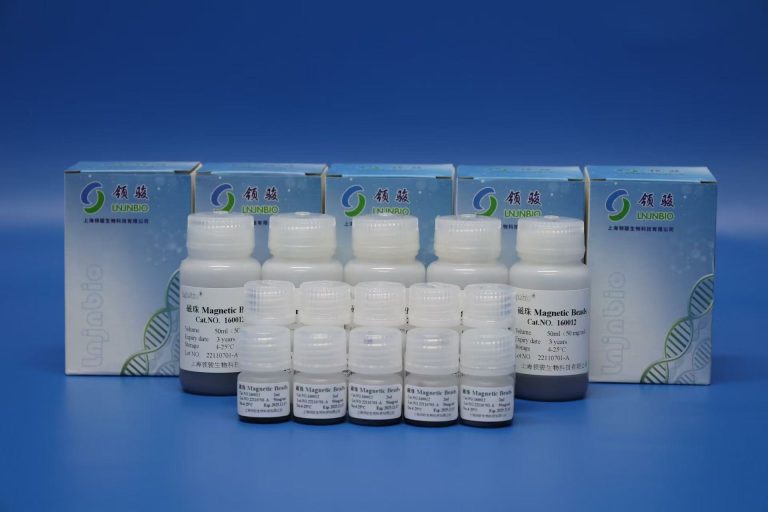
상하이 링쥔 생명공학 유한회사, 주식회사에 설립되었습니다 2016 생체자성재료 및 핵산추출시약 전문제조업체입니다..
핵산 추출 및 정제 분야에서 풍부한 경험을 보유하고 있습니다., 단백질 정제, 세포 분리, 화학발광, 및 기타 기술 분야.
우리의 제품은 많은 분야에서 널리 사용됩니다., 의료 테스트와 같은, 유전자 검사, 대학 연구, 유전자 육종, 등. 우리는 제품을 제공할 뿐만 아니라 OEM도 수행할 수 있습니다., ODM, 그리고 다른 필요. 관련된 필요사항이 있는 경우, 저희에게 연락하게 자유롭게 느끼십시오 .