Professionelle Hiersteller vu biomagnetesche Perlen


Magnéitesch Bead DNA Fragment Selektioun: Präzis Sortéierung, Smart Future - Revolutionéieren Life Sciences
Virwuert
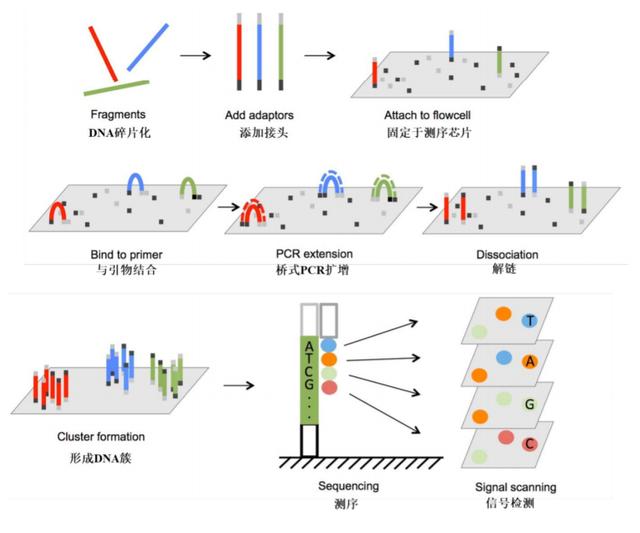
An enger Ära vun der beschleuniger Iteratioun a Life Science Tools an Technologien, D'DNA Fragment Selektioun entwéckelt sech vun engem “ënnerstëtzend Reinigungsschrëtt” an aKär erlaabt Technologie dreiwend Duerchbréch iwwer verschidde Disziplinnen. Vun Single-Zell Multi-Omics zu raimlecher Transkriptomik, Vun der klinescher Iwwersetzung vun der Drëtter Generatioun Sequenzéierung bis zur Industrialiséierung vun der synthetescher Biologie, präzis Selektioun vun Nukleinsäurefragmenter spärt virdru onerreechbar Dimensiounen vun der wëssenschaftlecher Fuerschung op. Dësen Artikel analyséiert systematesch d'technologesch Evolutioun, Kär Virdeeler, an Zukunft Richtungen vun Magnéitfeld Perle-baséiert Auswiel, seng Roll als Fundamentalkraaft un der Spëtzt vun der Exploratioun ze weisen.
1. Technologesch Evolutioun: Vun “Gréisst Trennung” zu “Intelligent Selektioun”
Traditionell Fragment Auswiel konzentréiert sech eleng op “Fragmenter vun enger spezifescher Gréisst vun aneren ze trennen.” Allerdéngs, modern Auswiel Technologie huet sech zu engem entwéckeltsystematesch Projet vun Multi-Parameter koordinéiert Optimisatioun:
Et muss net nëmmen Fragmentlängt berücksichtegen, awer och Probeinputbetrag, Fragment Integritéit, Automatisatiounskompatibilitéit, an déi spezifesch Ufuerderunge vun Downstream Uwendungen. Mat der integréierter Entwécklung vu Mikrofluidik, magnetesch Perlen Uewerfläch Engineering, an Automatisatiounstechnologie, Fragmentauswiel geet op ultra-héich Opléisung vir, ultra-niddereg Input, an ultra-laang Fragmenter, déi wichteg technesch Ënnerstëtzung fir opzedeelen wëssenschaftlech Exploratioun.
2. Fënnef Kär Technesch Virdeeler vun Magnéitfeld Bead-baséiert Fragment Auswiel
Géint ëmmer méi streng Applikatioun Erausfuerderungen, d'Methode vun der magnetescher Kugel, seng eenzegaarteg physikalesch-chemesch Eegeschafte profitéieren, weist irreplaceable Virdeeler:
2.1 Adaptatioun un Ultra-Low Input Quantitéiten
Szenarie wéi Single-Zell Sequenzen,Mikrobiopsie, a fréi Diagnos setzen extrem héich Ufuerderungen un Inputmaterial. Héich Qualitéit magnetesch Perlen, duerch optimiséiert Uewerfläch Silanol Grupp Dicht a Verdeelung, effizient Bindekinetik behalen och bei ganz nidderegen DNA Konzentratioune.
2.2 Präzisioun Multi-Parameter Tunability
Modern magnetesch Perlen Auswiel ass iwwer einfach geplënnert “Verhältnis Upassung,” Erreechen präzis Multi-Parameter Kontroll iwwer bindend Kinetik, elutioun Strengheet, a Fragment Selektivitéit. Andeems Dir kombinatoresch Perlevolumen optiméiert, Inkubatiounszäit, elution Schrëtt, an Puffer Konditiounen, et erméiglecht präzis Diskriminatioun vu spezifesche Fragmentlängen (z.B., mononukleosomal vs. dinukleosomal Fragmenter am cfDNA).
2.3 Deep Automation Integratioun
Schnëtt-Wäitschoss Uwendungen kommen dacks mat héich-Duerchschnëtt Ufuerderunge. Magnéitesch Bead Technologie ass elo déif a verschiddenen Automatisatiounsplattformen integréiert - vun Single-Channel Workstations bis High-Throughput Liquid Handling Systemer - wat eng präzis a reproduzéierbar Fragmentauswiel erlaabt. Automatisatioun erhéicht net nëmmen den Duerchsatz awer, méi kritesch, eliminéiert Batch-zu-Batch Variabilitéit agefouert duerch manuell Operatioun, d'Konsistenz vun Daten a grousse Studien ze garantéieren.
2.4 Multi-Omics Kompatibilitéit
Adresséiert d'Bedierfnesser vu raimleche Multi-Omics an Single-cell multimodal Analyse, magnetesch Perle Methoden hunn zwee Modi entwéckelt: “net-Sequenz-spezifesch Auswiel” an “Sequenzspezifesch Auswiel.” Déi fréier ass gëeegent fir allgemeng Bibliothéik Virbereedung, während déi lescht, duerch konjugéiert Sonden oder bindende Proteinen, erméiglecht geziilte Beräicherung vu spezifesche Sequenzen oder Modifikatiounszoustand(z.B., Methylatioun), flexibel Tools fir multidimensional biologesch Informatiounsdekodéierung ubidden.
2.5 Schwéierpunkt op béid Miniaturiséierung a Standardiséierung
An der klinescher Iwwersetzungsfuerschung, Method Standardiséierung ass wichteg. Déi operationell Parameter vun der magnetescher Perle-baséierter Fragmentauswiel kënne präzis quantifizéiert an dokumentéiert ginn. Eemol ass en optimalen Workflow fir eng spezifesch Applikatioun etabléiert, et kann perfekt iwwer verschidde Laboratoiren a Bedreiwer replizéiert ginn. Dësen Iwwergank aus “Konscht” zu “Wëssenschaft” ass eng Schlëssel Viraussetzung fir Technologie aus dem Labo an d'Klinik ze plënneren.
3 Technologie Ausbléck: Véier Richtungen fir déi nächst Generatioun vu Fragmentauswiel
DNA Fragment Selektiounstechnologie wäert sech weider an de folgende Richtungen entwéckelen:
- Intelligent Selektiounssystemer: Integratioun vu Mikrofluidik a Maschinnléiere fir ze kreéieren “Smart Auswiel” Plattformen déi automatesch Parameteren optimiséieren op Basis vu Probecharakteristiken. Duerch Iwwerwaachung vun der verbindlecher Kinetik an Echtzäit an dynamesch Upassung vun Elutiounsbedéngungen, souwuel Auswiel Präzisioun an Erhuelung kann gläichzäiteg optimiséiert ginn.
- Single-Molekül Resolutioun Auswiel: Duerch dat aktuellt Bevëlkerungsbaséiert Paradigma duerchbriechen fir Längtmiessung a geziilte Erhuelung vun eenzel DNA Molekülen z'erreechen, bitt eng ultimativ Léisung fir haplotype Analyse a strukturell Variant Detektioun.
- Multi-Dimensiounen Informatiounen Integratioun Auswiel: Wielt net nëmme baséiert op Fragmentlängt, awer och integréiert multidimensional Parameteren wéi Sequenzfeatures, Methylatiounsstatus, a Proteinbindungsinformatioun, déi nei Tools fir Epigenetik a komplex Krankheetefuerschung ubidden.
- In Situ Selektioun Technologie: Integratioun vun Selektiounsfunktiounen op mikrofluidesche Chips oder bannent Tissue Sektiounen fir DNA Fragmenter aus spezifeschen Zellen in situ z'erfaassen an ze analyséieren, méi héich Opléisung Tools fir raimlech Biologie ubidden.
4 Präzisioun Selektioun Definéiert d'Zukunft
Vun ultra-laanger Fragmentberäicherung fir Drëtt Generatioun Sequenzéierung bis déi extrem Erausfuerderunge vun der Eenzellgenomik, vun der multidimensionaler Integratioun vu raimleche Multi-Omics bis zur industrieller Skala Produktioun vun der synthetescher Biologie, DNA Fragment Selektioun Technologie, mat sengem eenzegaartege Wäert als eng “connector,” gëtt e Kärmotor deen d'Spëtzt vun der Life Science Exploratioun féiert. Wiel vun engem héich-Performance, Zukunft-prett Selektiounspär heescht Är Fuerschung mat engem zouverléissege Tool auszerusten fir onbekannt Erausfuerderungen ze treffen.
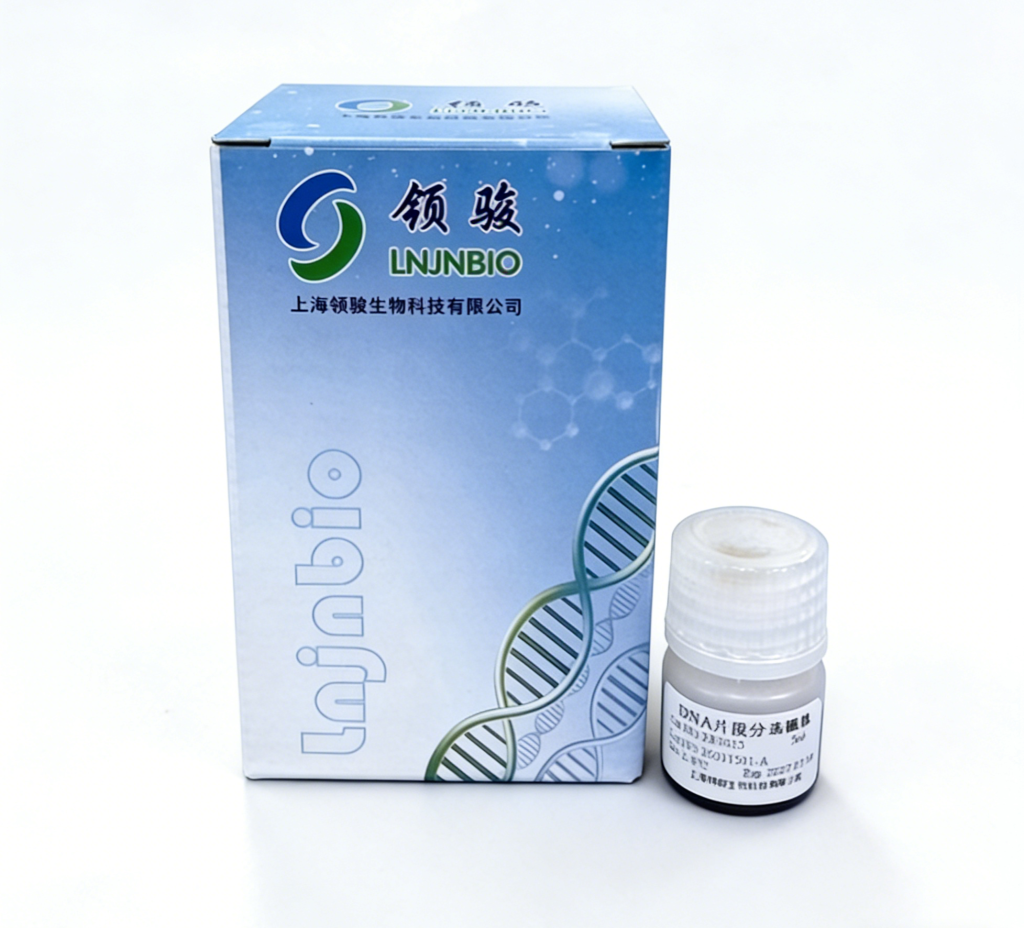
Déi Lnjnbio FR0015 Serie High-Performance Silica-baséiert magnetesch Perlen, gegrënnt op Nanometer-Skala Partikelgréisst Kontroll Technologie an Atomniveau Surface Engineering, erreechen aussergewéinlech Partikelgréisst Uniformitéit (PDI < 0.05), präzis kontrolléierbar Uewerflächechemie, an excellent magnetesch Reaktiounsfäegkeet. Ob fir d'Limite Erhuelung vu Spuerproben oder de stabilen Output vun automatiséierten High-Throughput Workflows, Lingjun magnetesch Perlen liwweren zolidd an zouverlässeg Selektiounsleistung, hëlleft Är Fuerschung an industriell Innovatioun mat Präzisioun unzefänken an Erfolleg mat Zouverlässegkeet.
Fournisseur
Shanghai Lingjun Biotechnology Co., Ltd., Ltd.gouf etabléiert an 2016 deen e professionnelle Hiersteller vu biomagnetesche Materialien an Nukleinsäure Extraktiounsreagenz ass.
Mir hu räich Erfahrung an Nukleinsäure Extraktioun an Offäll, Protein Reinigung, Zell Trennung, Chemilumineszenz, an aner technesch Beräicher.
Eis Produkter gi wäit a ville Beräicher benotzt, wéi medizinesch Tester, genetesch Tester, Universitéit Fuerschung, genetesch Zucht, an esou weider. Mir bidden net nëmmen Produkter, awer och kënnen OEM ënnerhuelen, ODM, an aner Besoinen. Wann Dir e verbonne Besoin hutt, weg fillen gratis eis ze kontaktéieren .