Professionele fabrikant van biomagnetische kralen


Vrije extractie van nucleïnezuren door middel van de magnetische kralenmethode
Celvrij DNA (cfDNA) werd voor het eerst ontdekt in menselijk perifeer bloed, en in de afgelopen decennia is cfDNA uit urine geëxtraheerd, hersenvocht en pleuravocht. Op cfDNA gebaseerde vloeibare biopsietechnologie vermindert de pijn en het risico voor patiënten aanzienlijk vanwege de niet-invasieve aard ervan, en de analyse van de resultaten is gebaseerd op gensequencing, waardoor nauwkeurige en overtuigende informatie wordt verstrekt. De resultaten worden geanalyseerd op basis van gensequencingtechnologie, zodat de analyse accuraat is en de informatie alomvattend en overtuigend is.
Vergelijkende voordelen van vloeibare biopsie
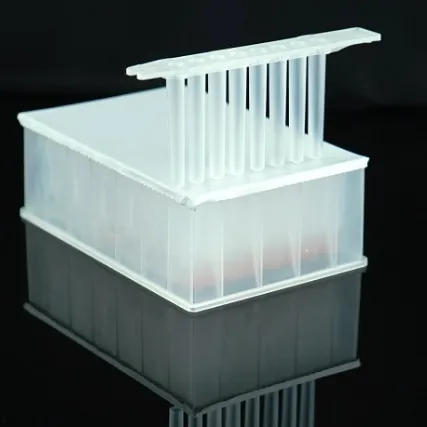
Ter vergelijking, Op CRISPR-Cas gebaseerde detectietechnologie is duurder en kan slechts één sequentie detecteren en analyseren, dat is een lage doorvoer en moeilijk om uitgebreide detectie te bereiken. Hoewel de op serummarkers gebaseerde detectiemethode eenvoudig te bedienen is, het is alleen effectief voor sommige genetische ziekten, waardoor het toepassingsgebied ervan wordt beperkt, en de specificiteit van de detectie van serummarkers heeft bepaalde beperkingen.
Belang van cfDNA bij medische tests
Uit talloze onderzoeken is gebleken dat cfDNA afkomstig van foetaal en tumorweefsel in grote mate heeft bijgedragen aan de ontwikkeling van het gebied van niet-invasieve prenatale diagnose en vloeibare biopsie en andere mogelijke toepassingen..
Fragmentgrootte van cfDNA en ziekteassociatie
Er bestaan verschillende fragmentgroottes van cfDNA in menselijk perifeer bloed. cfDNA is niet alleen een belangrijk biomoleculair doelwit voor de detectie van tumoren, foetale ontwikkeling en auto-immuunziekten, maar geeft ook relevante informatie over het donorgenoom, wat van groot belang is voor de detectie en analyse van ziekten.
Specificiteit van de cfDNA-fragmentgrootte
Het cfDNA in het plasma van zwangere vrouwen is afkomstig van de foetus, tumorgerelateerd cfDNA in het plasma van tumorpatiënten en cfDNA bij patiënten met auto-immuundeficiëntie verschillen qua fragmentgrootte van die in het plasma van gezonde mensen.
cfDNA-extractietechnologie van Shanghai Lingjun Bio
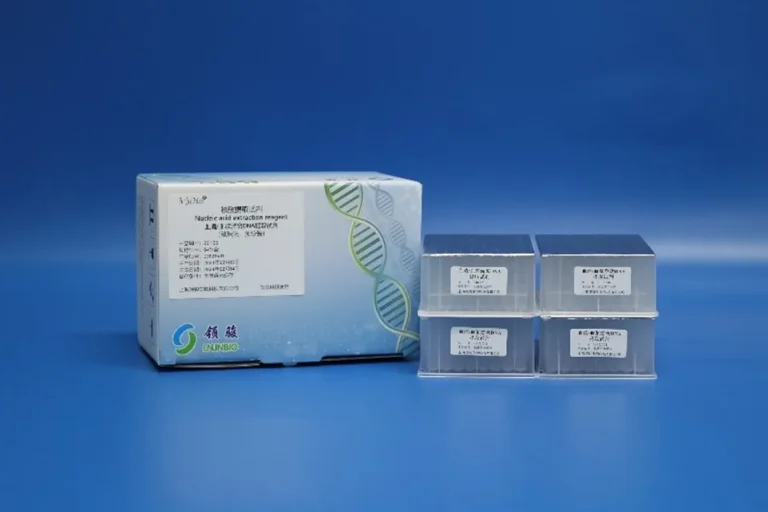
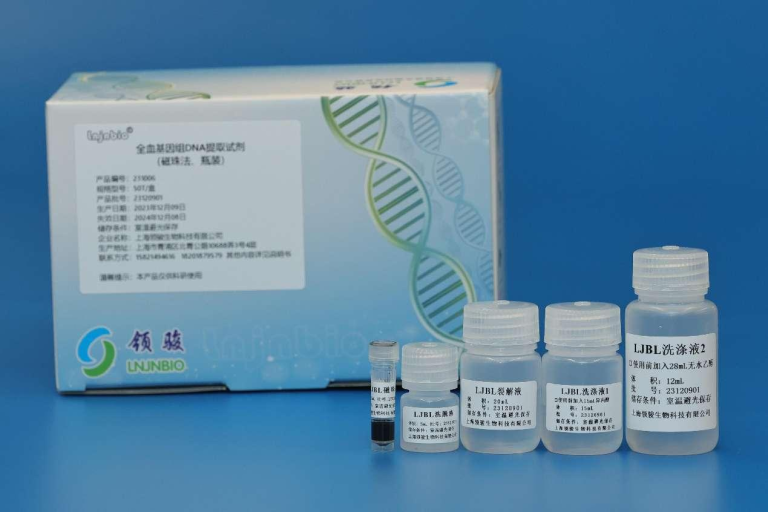
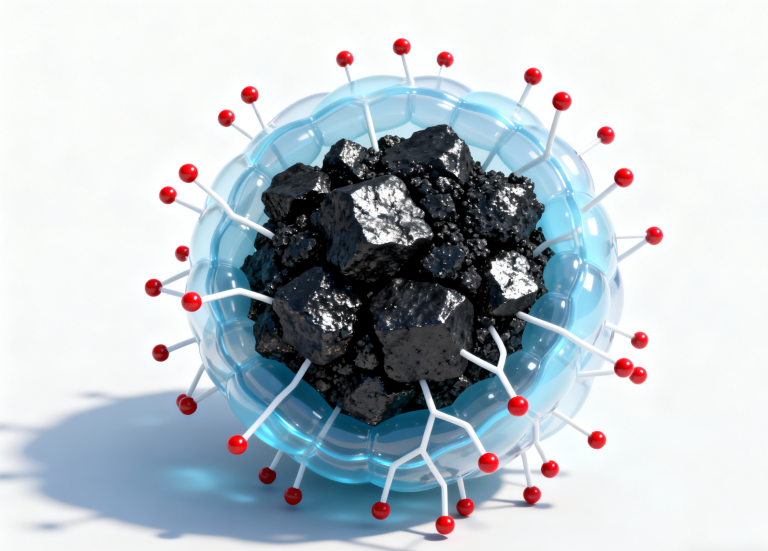
Shanghai Lingjun Bio serum / plasmavrij DNA-extractiereagens en ccfDNA-extractiereagens realiseren de verrijking van kort fragment-DNA in menselijke lichaamsvloeistoffen door middel van magnetische kralenmethode. Het combineren van deze DNA-fragmentextractietechnologie met hoge resolutie met sequencing en andere technologieën houdt de belofte in van het oplossen van de problemen van een lage signaal-ruisverhouding en slechte gevoeligheid van monsters bij niet-invasieve prenatale diagnostiek, vloeibare biopsie en vroege screening op ziekten van het immunodeficiëntietype. Het gebruik van de magnetische kraalmethode zal ook een stimulerend effect hebben op het verbeteren van de efficiëntie van het bouwen van sequencing-bibliotheken en op de kostenbesparingen, waardoor op sequentiebepaling gebaseerde vroege ziektescreening een dieper terrein kan betreden en meer kan bijdragen aan de verbetering van de volksgezondheid.
Introductie van leveranciers
Shanghai Lingjun Biotechnologie Co., Ltd. werd opgericht in 2016 dat een professionele fabrikant is van biomagnetische materialen en reagentia voor nucleïnezuurextractie.
We hebben een rijke ervaring in de extractie en zuivering van nucleïnezuren, eiwit zuivering, cel scheiding, chemiluminescentie en andere technische gebieden.
Onze producten worden op veel gebieden veel gebruikt, zoals medische testen, genetische testen, universitair onderzoek, genetische veredeling, enzovoort. Wij leveren niet alleen producten, maar kunnen ook OEM ondernemen, ODM, en andere behoeften. Als u gerelateerde behoeften heeft, neem dan gerust contact met ons op via sales01@lingjunbio.com.