Professionele fabrikant van biomagnetische kralen


Nucleïnezuuraptameren: een nieuwe dageraad voor tumordetectie
Invoering
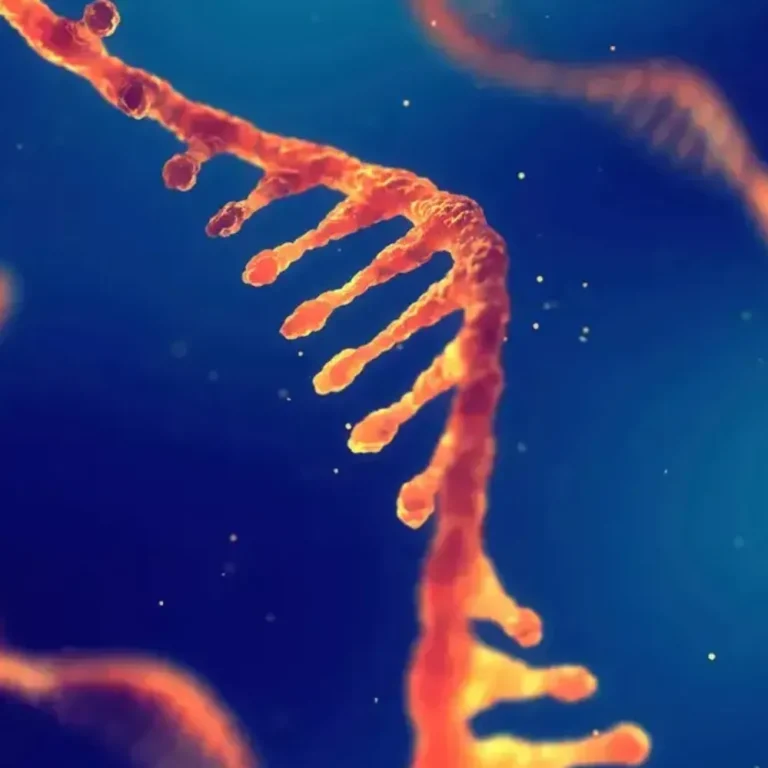
Op het gebied van kankerdetectie, opkomende technologieën creëren nieuwe mogelijkheden om de diagnostische nauwkeurigheid en efficiëntie te verbeteren. Nucleïnezuuraptameren winnen steeds meer bekendheid als baanbrekende aanpak. Deze enkelstrengige DNA- of RNA-moleculen, geselecteerd via in vitro screening, vouwen zich op tot unieke driedimensionale structuren die zich met hoge affiniteit binden aan specifieke doelen. Vergeleken met traditionele antilichamen, ze vertonen aanzienlijke voordelen, waaronder een hoge ontwerpflexibiliteit, gemakkelijke wijziging, verbeterde bioveiligheid, en verbeterde stabiliteit, Dit toont een enorm potentieel aan toepassingen voor de detectie van kanker.
1. Nucleïnezuuraptameertechnologie heeft opmerkelijke prestaties aangetoond bij de vroege tumordiagnose.
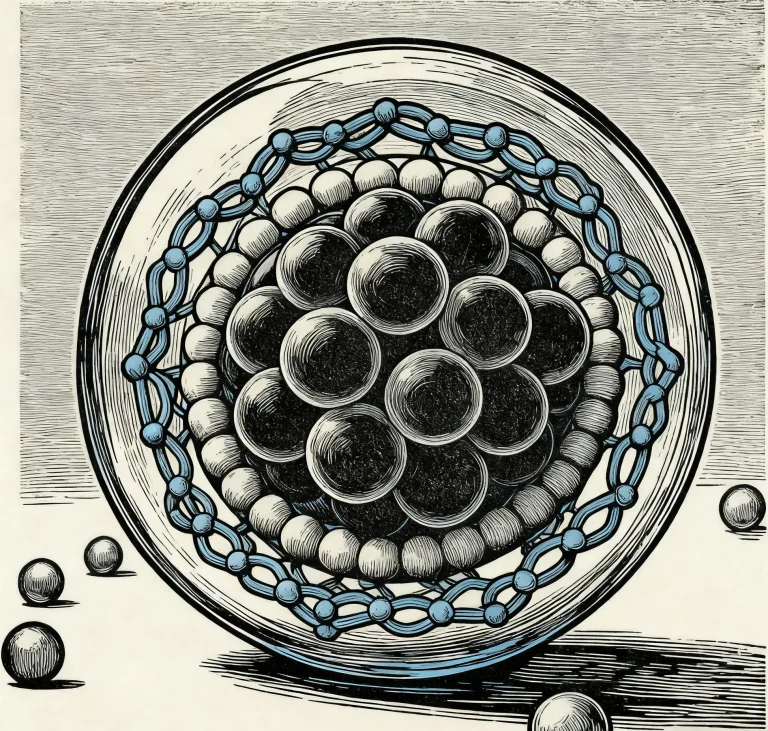
Traditionele detectiemethoden worden geconfronteerd met beperkingen bij het identificeren van tumoren in een vroeg stadium, terwijl nucleïnezuuraptameren specifieke biomarkers op tumorceloppervlakken nauwkeurig kunnen herkennen en eraan kunnen binden, zoals bepaalde eiwitten of receptoren. Bijvoorbeeld, de multivalente nucleïnezuuraptameer nanodrager (pAPNC) ontwikkeld door samenwerking tussen Hefei University of Technology en Hunan University bestaat uit een multivalente nucleïnezuuraptameeromhulling en een eiwitkern. Dit systeem vertoont een hoge affiniteit voor receptoreiwitten die tot overexpressie worden gebracht op kankercellen, vertoont een sterke stabiliteit in serum, en vertoont uitstekende nucleaseresistentie, waardoor een effectieve medicijnlading mogelijk is. Het is veelbelovend voor een vroege diagnose van tumorbeeldvorming. Door op nucleïnezuur-aptameer gebaseerde sensoren te construeren, zoals elektrochemische, fluorescentie, en colorimetrische sensoren: nauwkeurige detectie van tumor-geassocieerde exosomen kan worden bereikt. Exosomen, als microblaasjes die door cellen worden uitgescheiden, dragen verschillende biologische informatie over van tumorcellen. Hun detectie helpt bij een vroege diagnose. Elektrochemische sensoren kunnen exosomen kwantificeren door middel van elektrische signaalveranderingen veroorzaakt door aptameerbinding, het bereiken van een detectielimiet van slechts 10³ cellen/ml. Dit maakt een snelle analyse van bloedmonsters mogelijk, het verschaffen van een efficiënte methode voor vroege tumorscreening.
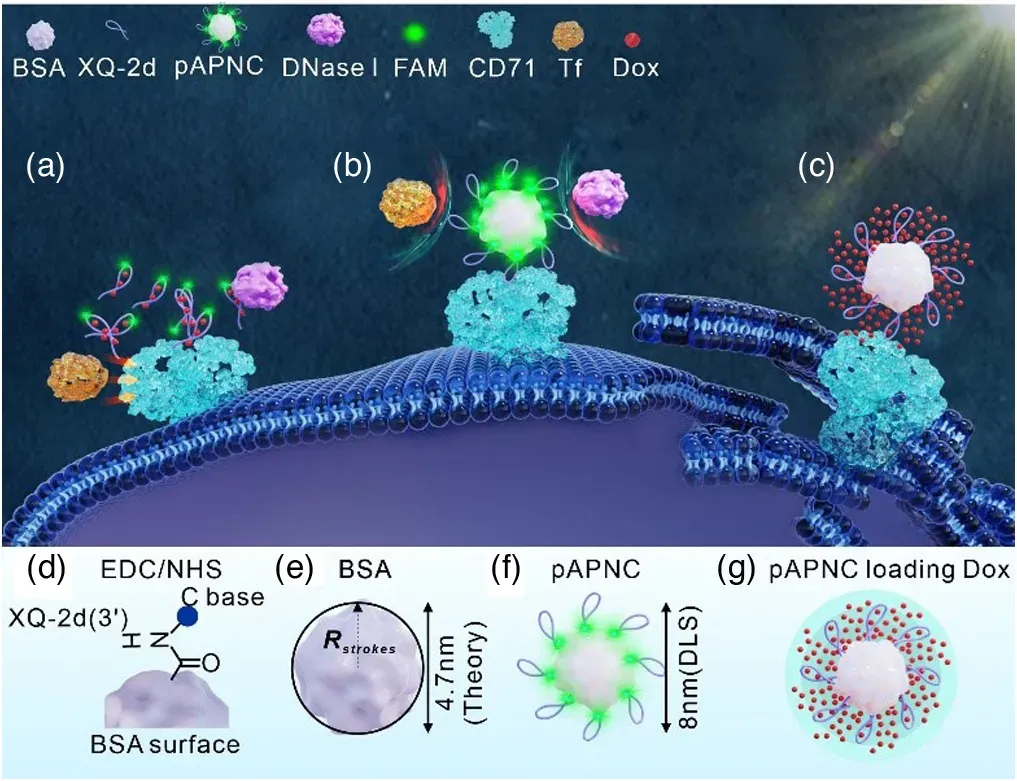
Figuur 1. pAPNC heeft een hoge affiniteit, hoge receptortoegankelijkheid, hoge nucleaseresistentie en hoge medicijnlaadcapaciteit
2. Nucleïnezuuraptameren hebben een opmerkelijk potentieel aangetoond bij het nauwkeurig classificeren van tumoren en gepersonaliseerde behandeling.
Gezien de verschillende moleculaire kenmerken van verschillende soorten kankercellen, deze aptameren maken de gerichte synthese van probes voor specifieke maligniteiten zoals leukemie mogelijk, longkanker, en borstkanker. Het onderzoeksteam onder leiding van academicus Tan Weihong heeft nucleïnezuuraptameersondes ontwikkeld die zijn geconjugeerd met radioactieve isotopen. Wanneer toegediend aan patiënten, deze sondes maken gebruik van PET-beeldvormingstechnologie om tumorcellen effectief te identificeren en tegelijkertijd nauwkeurig onderscheid te maken tussen ontstekingsreacties en kwaadaardige gezwellen. Deze doorbraak stelt artsen in staat gerichtere behandelplannen te formuleren, waardoor onnodige chirurgische ingrepen en overmatige medicatieregimes worden vermeden.
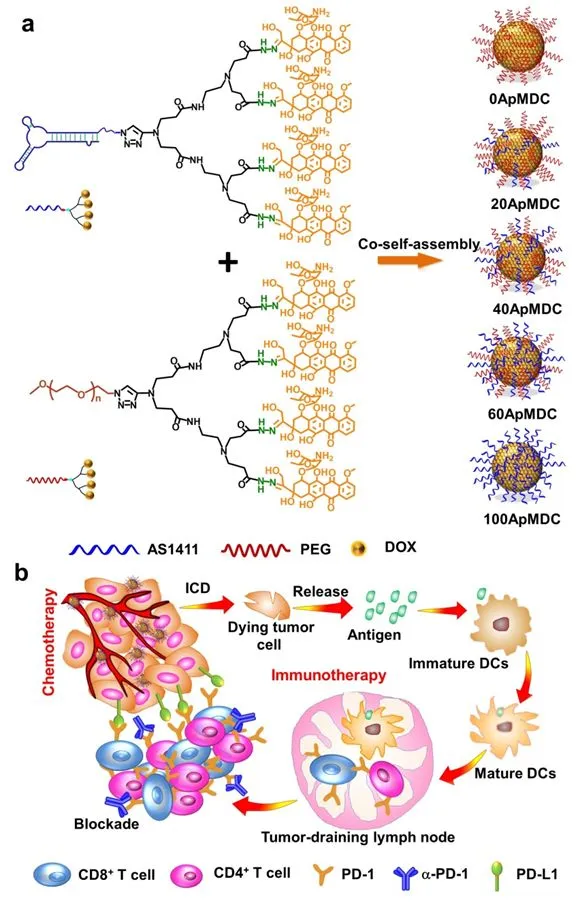
3. Verder, Nucleïnezuuraptameren spelen een cruciale rol bij het monitoren van tumorbehandeling.
Door continu de binding tussen tumorceloppervlaktemarkers en aptameren te volgen, artsen kunnen de werkzaamheid van de behandeling beoordelen en therapeutische strategieën onmiddellijk aanpassen. Wanneer de behandeling effectief blijkt, veranderingen in de expressie van tumorceloppervlakmarkers kunnen optreden, wat leidt tot overeenkomstige veranderingen in aptameerbindingssignalen. Dit biedt artsen duidelijke indicatoren om de voortgang van de behandeling te monitoren, het bieden van een tastbare basis voor klinische besluitvorming.
Samenvatting
Terwijl de nucleïnezuuraptameertechnologie veelbelovend is bij de detectie van kanker, het wordt momenteel geconfronteerd met uitdagingen zoals heterogeniteitsinterferentie door exosomen, onvoldoende stabiliteit in vivo, en de noodzaak om de weerstand tegen complexe matrices te vergroten. Echter, met de voortdurende vooruitgang van geavanceerde technologieën zoals sequencing met hoge doorvoer, computerondersteund ontwerp, en multi-technologie-integratie, Deze technologie zal naar verwachting verder worden geoptimaliseerd. Het zal geleidelijk overgaan van laboratoriumonderzoek naar routinematig klinisch testen, Dit levert meer voordelen op voor kankerpatiënten en helpt de diagnostische en therapeutische normen van de oncologie naar nieuwe hoogten te tillen.
Leverancier
Shanghai Lingjun Biotechnologie Co., Ltd.werd opgericht in 2016 dat een professionele fabrikant is van biomagnetische materialen en reagentia voor nucleïnezuurextractie.
We hebben een rijke ervaring in de extractie en zuivering van nucleïnezuren, eiwit zuivering, cel scheiding, chemiluminescentie, en andere technische gebieden.
Onze producten worden op veel gebieden veel gebruikt, zoals medische testen, genetische testen, universitair onderzoek, genetische veredeling, enzovoort. Wij leveren niet alleen producten, maar kunnen ook OEM ondernemen, ODM, en andere behoeften. Als u een gerelateerde behoefte heeft, Neem gerust contact met ons op .