Profesjonell produsent av biomagnetiske perler


Priser for magnetiske perler: 3 Strategier for profitt & Markedsvekst
Introduksjon
I det stadig mer konkurranseutsatte markedsmiljøet magnetiske perler industri, bedriftsprising er ikke lenger en enkel beregning av kostnad pluss fortjeneste, men en omfattende beslutningsprosess som integrerer markedsposisjonering, produktverdi, kundens behov, og konkurranselandskap.
Denne artikkelen vil grundig analysere prismiljøet som bedrifter med magnetiske perler står overfor og foreslå tre effektive prisstrategier, gi et praktisk rammeverk for bransjeaktører for å øke lønnsomheten og markedsposisjonen.
1. Magnetisk Karakteristika for perlerindustrien & Prisutfordringer
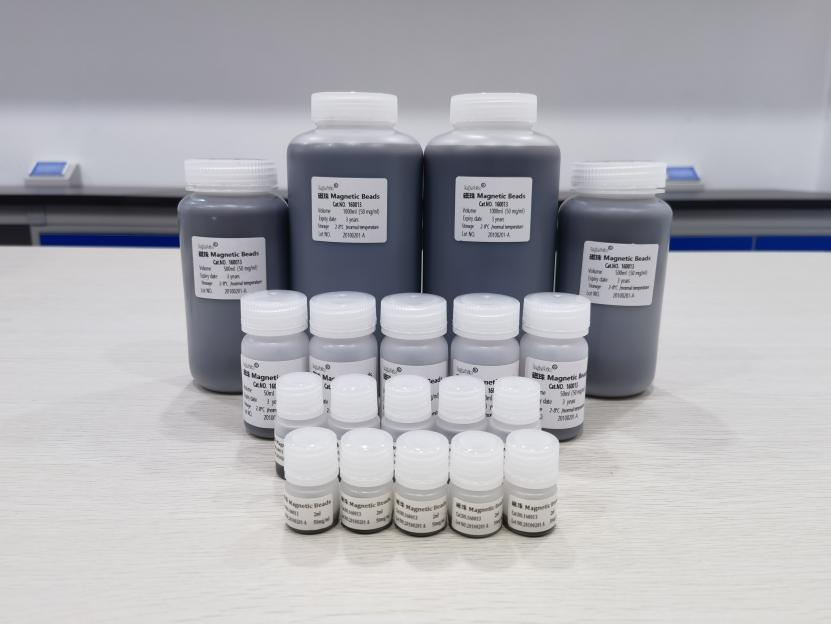
Magnetiske perler produkter, hovedsakelig kategorisert i forhåndsaktiverte magnetiske perler, immunomagnetiske kuler, og induktive magnetiske perler basert på deres bruksfelt, er mye brukt i in vitro-diagnostikk, immunoassays, celleseparasjon, og andre områder.
Denne industrien har flere distinkte kjennetegn: Svært tilpassede produkter - de fleste magnetiske perleprodukter er ikke-standard og krever spesialisert design og produksjon basert på kundens behov; Høye teknologiske barrierer – krever spesialiserte produksjonsprosesser og teknisk støtte.
Samtidig, råvarekostnadene utgjør en betydelig del, og prissvingninger på råvarer som sjeldne jordartsmetaller kan påvirke produksjonskostnadene betydelig. Videre, etterspørselen i markedet er svært diversifisert, med vidt forskjellige krav til produktytelse, presisjon, og spesifikasjoner på tvers av ulike bruksområder.
Magnetiske perler står overfor flere prisutfordringer: På den ene siden, markedskonkurranse fra internasjonale merker som Merck og Tofflon, samt en rekke innenlandske produsenter, forsterker prispresset.
På den annen side, Valutakurssvingninger påvirker eksportorienterte selskaper betydelig. I tillegg, overføringen av råvareprisvolatilitet er etterslepet, forårsaker ofte salgsprisjusteringer til å følge etter endringer i råvareprisene 3-6 måneder.
Dessuten, kunder’ forhandlingsstyrken har økt, spesielt på felt som nye energikjøretøyer, der sterk kundeforhandlingsevne legger et betydelig kostnadspress på nedstrømsbedrifter i industrikjeden.
2. Tre effektive prisstrategier & Viktige implementeringspunkter
2.1 Kostnad-pluss-prismetode
Cost-plus-prising er den mest grunnleggende og mest brukte prissettingsmetoden i industrien for magnetiske perler, spesielt egnet for tilpasset, ikke-standard produkter.
Kjernen i denne metoden ligger i en helhetlig regnskapsføring av kostnader, inkludert direkte materialer, arbeid, produksjonsoverhead, osv., samtidig som man vurderer produktets prosesseringskompleksitet, ytelseskrav, og kvalifikasjonsgrad. Produkttilbudet fastsettes basert på en rimelig fortjenestemargin lagt til estimert kostnad.
Nøkkelen til implementering er at bedrifter må etablere et detaljert kostnadsregnskapssystem for nøyaktig å spore alle kostnader. Samtidig, de bør regelmessig gjennomgå og justere fortjenestemarginer for å tilpasse seg markedsnivåer og bedriftsstrategi.
Det er viktig å merke seg at selskaper må forstå tidspunktet for prisjusteringer, minimere tidsforskyvningen mellom stigende råvarekostnader og salgsprisjusteringer.
2.2 Verdibasert prismetode
Verdibasert prissetting setter prisene i henhold til den faktiske verdien produktet skaper for kunden, bedre gjenspeiler de differensierte fordelene med avanserte produkter.
Denne strategien krever en dyp forståelse av kundenes behov, skille kundegrupper etter bruksfelt, som bilindustrien, medisinsk, elektronikk, osv., ettersom ulike felt har varierende ytelseskrav for produkter med magnetiske perler.
Det innebærer også å kvantifisere produktfordeler. For eksempel, visse produkter med magnetiske perler kan hjelpe kundene med å forbedre produksjonseffektiviteten, forbedre deteksjonsnøyaktigheten, eller redusere defektraten. Denne verdien kan inkluderes i prisbetraktninger.
Nøkkelen til å implementere verdibasert prising er å styrke produktdifferensiering, fremheve de unike fordelene med ens egne produkter når det gjelder ytelse, presisjon, eller i spesifikke applikasjonsscenarier. Videre, dele verdiskapingen med kundene ved å demonstrere gjennom data hvordan produktet reduserer kostnadene og øker effektiviteten for dem, og dermed få kundens aksept for den høyere prisen.
2.3 Konkurransebasert prismetode
Konkurransebasert prising justerer prisnivåer i henhold til konkurranselandskapet i markedet. Den er egnet for produktområder med magnetiske perler med høy grad av standardisering eller intens konkurranse.
Denne metoden krever at selskaper jevnlig analyserer konkurrenter’ prisstrategier og forstå prisklassene og markedsføringstaktikkene til hovedkonkurrentene. Det innebærer også å vurdere markedsposisjoneringen til deres egne produkter – enten de er markedsledere eller følgere – og sette priser deretter.
Ved implementering av konkurransebasert prissetting, å opprettholde prisfleksibilitet og justere prisene raskt basert på tilbakemeldinger fra markedet er avgjørende. I tillegg, det er viktig å unngå ond priskrig, opprettholde rimelige fortjenestemarginer gjennom verdiøkende tjenester, teknisk støtte, og differensiering.
3. Optimalisering av prisstrategier & Implementering sikkerhetstiltak
For å sikre effektiv gjennomføring av prisstrategier, Bedrifter med magnetiske perler må etablere beskyttelsesmekanismer på følgende områder:
- Etabler en dynamisk prisjusteringsmekanisme. Evaluer regelmessig tilpasningen av produktpriser med markedet. Angi utløsere for prisjusteringer, som å sette i gang en prisgjennomgangsprosedyre når svingninger i råvareprisene overstiger en viss prosentandel.
- Samtidig, optimalisere produktporteføljepriser, skille mellom høymarginprodukter og kampflyprodukter for å maksimere den totale fortjenesten til produktporteføljen.
- Styrke kostnadsstyringen i forsyningskjeden. Etablere langsiktige samarbeidsforhold med oppstrømsleverandører for å stabilisere råvarepriser. Forbedre produksjonsautomatiseringsnivåene for å redusere andelen lønnskostnader.
- Samtidig, optimalisere produksjonsprosesser for å øke produktkvalifiseringsrater og materialutnyttelse.
- Forbedre kundesegmentering og differensierte tjenester. Identifiser prisfølsomheten til forskjellige kundesegmenter og gi eksklusiv teknisk støtte og tjenester for kunder med høy verdi.
- Videre, etablere langsiktige strategiske partnerskap, signering av langsiktige avtaler med nøkkelkunder for å balansere pris- og forsyningsstabilitet.
Sammendrag
I industrien for magnetiske perler, det er ingen prisstrategi som passer for alle. Vellykkede selskaper er ofte de som fleksibelt kan kombinere og anvende ulike prissettingsmetoder basert på deres egne produktegenskaper, markedsposisjonering, og kundenes behov, og kontinuerlig optimalisere og justere i et dynamisk skiftende markedsmiljø.
Den mest effektive prisstrategien er en som ikke bare dekker kostnader og oppnår rimelig fortjeneste, men som også anerkjennes av kunder og fremmer langsiktige samarbeidsforhold. Dette er nøkkelen til bærekraftig utvikling av magnetiske perler i den harde markedskonkurransen.
Leverandør
Shanghai Lingjun Biotechnology Co., Ltd.ble etablert i 2016 som er en profesjonell produsent av biomagnetiske materialer og nukleinsyreekstraksjonsreagenser.
Vi har rik erfaring innen utvinning og rensing av nukleinsyre, proteinrensing, celleseparasjon, kjemiluminescens, og andre tekniske felt.
Våre produkter er mye brukt på mange felt, som medisinsk testing, genetisk testing, universitetsforskning, genetisk avl, og så videre. Vi leverer ikke bare produkter, men kan også påta oss OEM, ODM, og andre behov. Hvis du har et relatert behov, ta gjerne kontakt med oss .