


Professional Manufacturer of Biomagnetic Beads


Technology Sharing
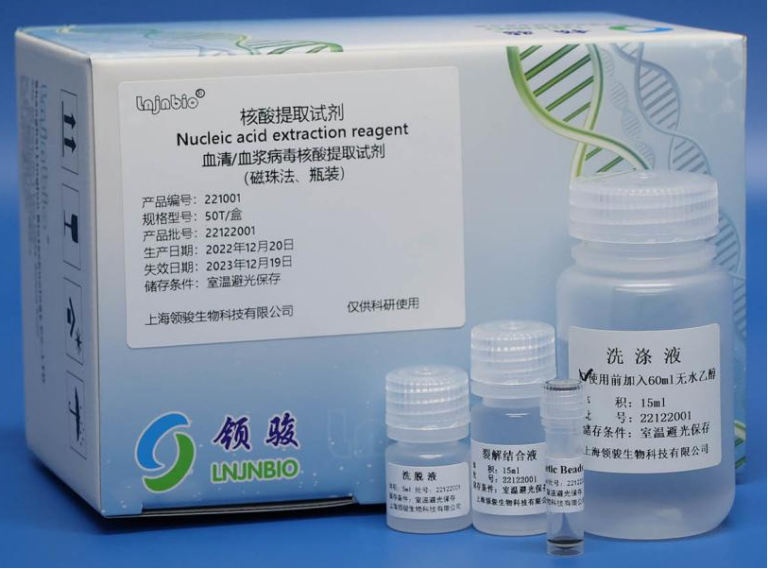
Breaking Extraction Bottlenecks: Lingjun Magnetic Bead RNA Kits Redefine Efficiency StandardsEmpowering Research with High-Purity Nucleic Acid Solutions
In molecular biology research, RNA extraction from complex samples remains a critical bottleneck hindering experimental efficiency. Traditional methods struggle with plant polysaccharide/polyphenol interference, animal tissue degradation risks, and capturing trace viral nucleic…
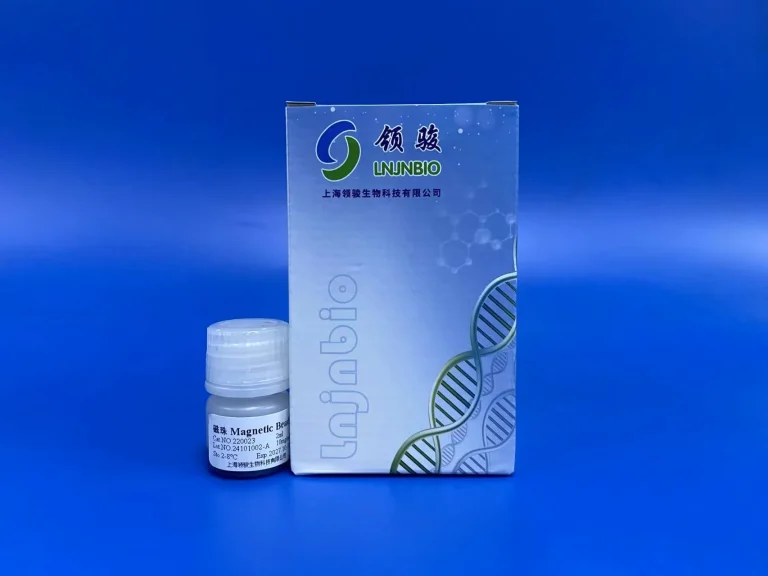
What is the differences between monodisperse and polydispersemagnetic beads
The core distinction lies in the uniformity of particle size distribution, which directly leads to significant differences in their performance and applications: Core Definitions: Monodisperse Magnetic Beads: Exhibit a very narrow particle…
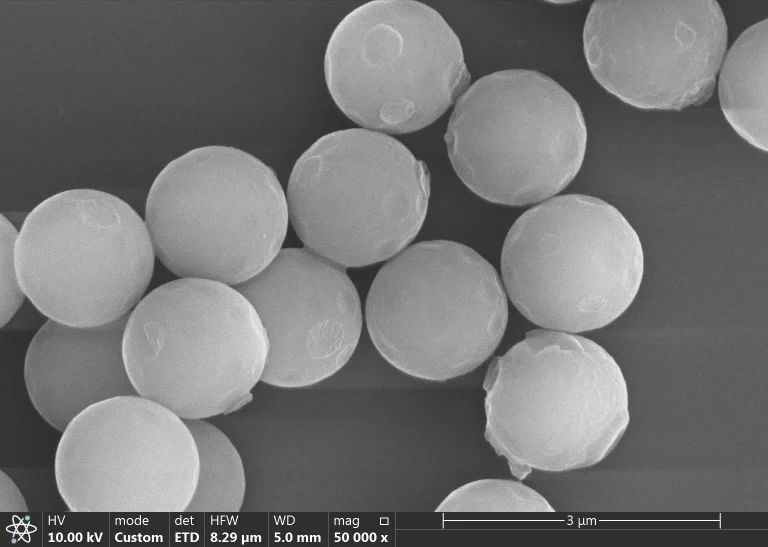
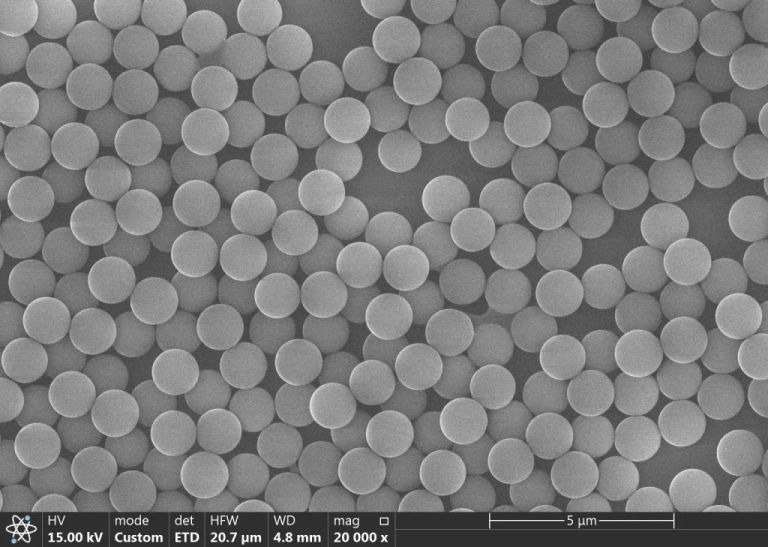
`What is the differences between monodisperse and polydispersemagnetic beads?
The core distinction lies in the uniformity of particle size distribution, which directly leads to significant differences in their performance and applications: Core Definitions: Monodisperse Magnetic Beads: Exhibit a very narrow particle…
The pH Defense Strategy: Nanoscale Tactics for Maintaining Sterility in Silanol-Functionalized Magnetic Beads during Aqueous Storage!
Chapter 1: The Microbial “Comfort Zone” – Why Bacteria Prefer Neutral pH When silanol magnetic beads are stored in pure water, microbes experience a “five-star spa resort”: pH 6.5-7.5: Optimal bacterial proliferation zone…
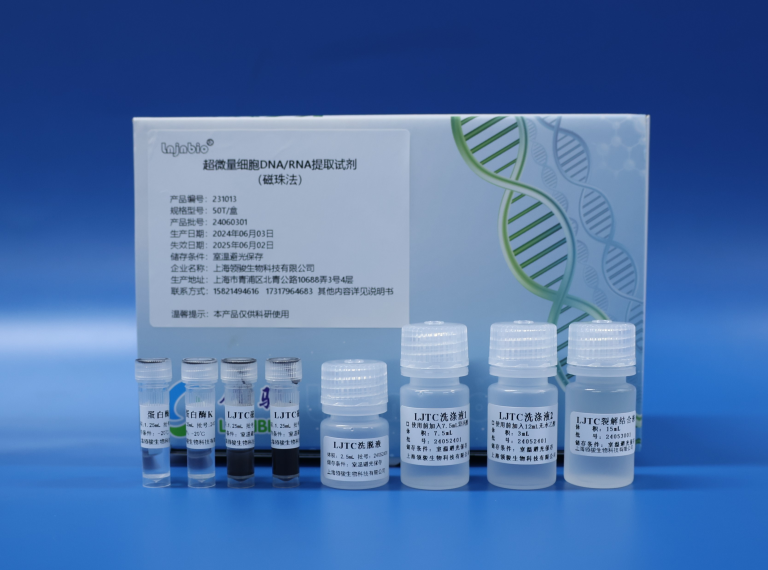
The role of ferric chloride, ethylene glycol and polyethylene glycol in magnetic bead synthesis
In the solvothermal synthesis (e.g., hydrothermal or polyol methods) of magnetic beads (especially Fe₃O₄ beads), ferric chloride (FeCl₃), ethylene glycol (EG), and polyethylene glycol (PEG) work synergistically to regulate the nucleation, growth,…
Mechanism of action of sodium citrate and sodium acetate in magnetic bead synthesis
In the synthesis process of magnetic beads (especially magnetite Fe₃O₄ beads), particularly in the coprecipitation method, sodium citrate and sodium acetate play distinct but crucial roles. Their mechanisms primarily revolve around controlling…
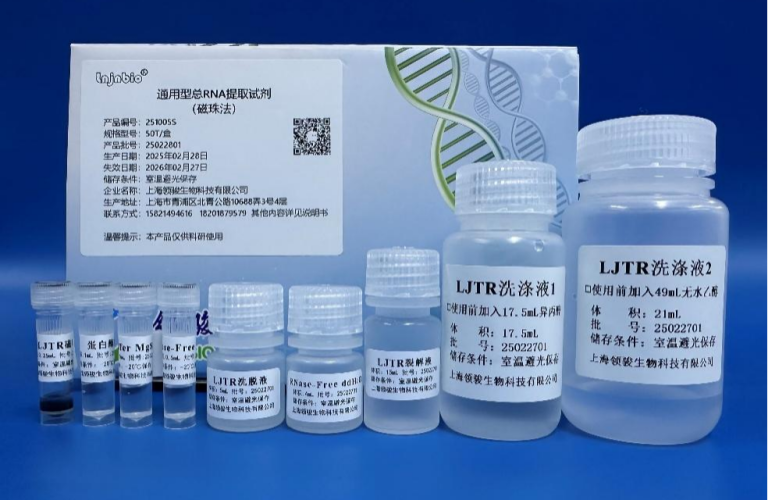
What are the advantages of magnetic bead method for RNA extraction compared with Trizol method?
1.To understand the differences between the two methods, it is essential to first grasp their principles: The Trizol method involves using organic solvents like phenol and chloroform to lyse cells, thereby separating…

Magnetic Bead-Based Nucleic Acid Extraction Instruments in NGS Library Preparation
Magnetic bead-based nucleic acid extraction instruments play a critical and almost indispensable role in the next-generation sequencing (NGS) library preparation workflow. As the starting point of the entire NGS process, their performance directly…
Comprehensive 30-Year Forecast for Magnetic Bead Nucleic Acid Extraction Technology(2025-2055)
I. Current Market Status & Technological Foundation Magnetic bead nucleic acid extraction technology has become central to molecular diagnostics and life science research due to its efficiency, automation compatibility, and high-purity yields. In 2024,…
Are hydroxyl magnetic beads stable at low temperature or room temperature?
1. Storage Conditions Overview Silanol magnetic beads (SiO₂-OH Magnetic Beads), featuring abundant surface silanol groups, are widely used in nucleic acid/protein purification and immunoassays. Storage conditions directly impact the stability of active surface groups and…
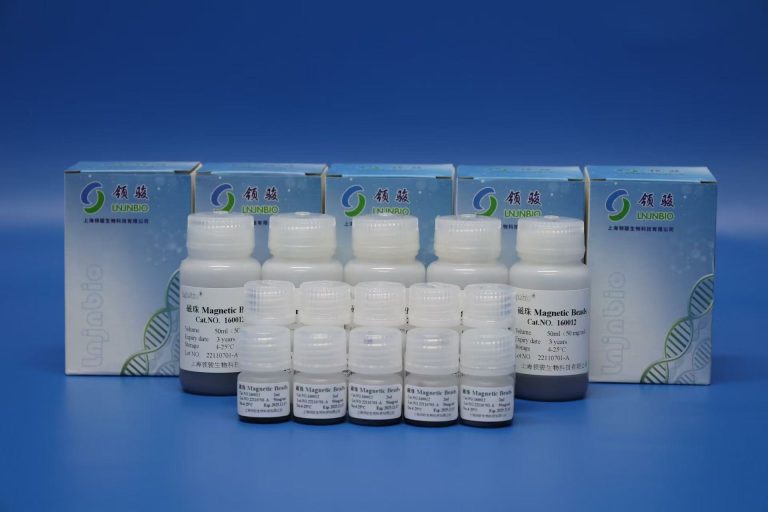
What are the differences in the storage conditions of carboxyl magnetic beads
1. Key Differences Summary Storage temperature critically affects the physical dispersion, chemical stability, and bio-conjugation efficiency of carboxyl magnetic beads. Comparative analysis: Parameter Room Temperature (15–25°C) 4°C Refrigeration Dispersion Stability Irreversible aggregation…
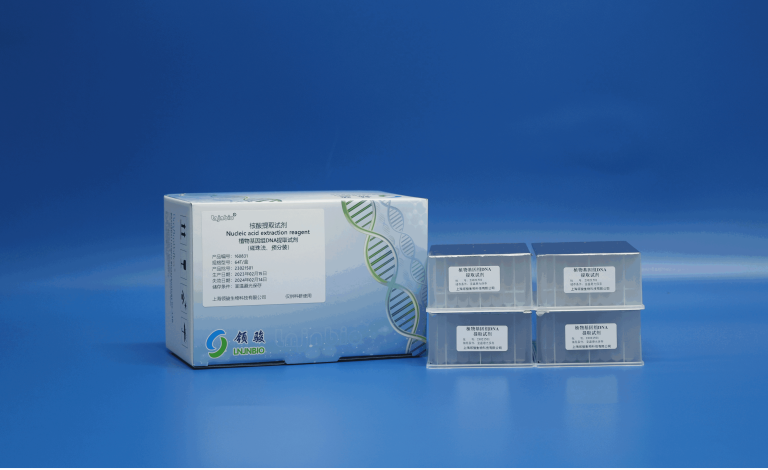
Extraction of genomic DNA from whea(magnetic bead method)
Wheat is one of the major food crops in China, so research on its molecular biology is also very important and the technology is becoming increasingly advanced. Whether it is gene cloning…