Professionel producent af biomagnetiske perler


Optimering af temperatur og tid for silica-baserede magnetiske perler i DNA-fragmentudvælgelse
Forord
I den præcise drift af DNA-fragmentudvælgelse ved hjælp af silica-baserede magnetiske perler, reaktionstemperatur og inkubationstid er et andet sæt af afgørende variabler, ved siden af perlerne’ iboende ydeevne og additionsforhold. De er ikke blot “miljømæssig baggrund” men er kernekontrolhåndtag, der direkte regulerer kinetikken af DNA-perlebinding og dissociation. Præcis kontrol over disse to faktorer er det afgørende skridt fra blot “at få et produkt” til “opnå en yderst reproducerbar, høj opløsning produkt.”
1. Kerneprincipper: Hvordan temperatur og tid påvirker udvælgelsen af DNA-fragmenter”
Essensen af selektion med silica-baserede perler er reversibel adsorption baseret på DNA-fragmentlængdeforskelle. Denne proces er dobbeltstyret af termodynamisk ligevægt og kinetiske hastigheder, med temperatur og tid som nøglefaktorer, der virker på disse to niveauer.
1.1 Temperatur: De “Regulator” af termodynamisk ligevægt
Bindingskonstant (K): Bindingen af DNA til perleoverfladen er generelt en eksoterm proces. En stigning i temperaturen fører typisk til et fald i bindingskonstanten, at flytte ligevægten mod dissociation. Det betyder, at under identiske forhold, højere temperaturer resulterer i en samlet svagere bindingskraft mellem DNA og perlerne.
Pathway of Influence: Temperaturændringer påvirker viskositeten af PEG/saltbuffersystemet, ionisk aktivitet, og konformationen af DNA-molekyler, derved ændre styrken af “sterisk udelukkelseseffekt” og den “saltbro interaktion.” Eksperimenter viser, at inden for det fælles operationelle område, et temperaturudsving på ±2°C kan føre til et skift i valgvinduet med 5-15 bp og påvirke genvindingsraterne.
1.2 Tid: De “Timer” af den kinetiske proces
Bindings-/Dissociationssatser: Det tager tid for DNA at diffundere til perleoverfladen og fuldføre adsorption, og omvendt, for eluering fra perlerne for at nå en ny ligevægt.
Pathway of Influence: Utilstrækkelig bindingstid betyder, at reaktionen ikke når ligevægt, fører til ineffektiv adsorption af noget mål-DNA, resulterer i reduceret restitution og ustabile resultater. For lang bindingstid kan øge uspecifik adsorption af kortfragmenterede urenheder. Utilstrækkelig elueringstid fører til ufuldstændig eluering af målfragmenter; for lang elueringstid kan øge co-elueringen af ikke-målfragmenter.
2. Optimeringsstrategi: Etablering af standardiserede temperatur- og tidskontrolprotokoller
Kernemål: At skabe et absolut konsistent reaktionsmiljø for DNA-perle-interaktioner inden for og mellem batches i laboratoriet.
2.1 Temperaturkontrol: Konsistens er altafgørende
2.1.1 Bestem og standardiser den optimale driftstemperatur
Anbefalet standard: Stuetemperatur (25°C) er tilstanden optimeret og valideret for de fleste kommercielle sæt og anbefales som laboratoriestandardtemperatur. Definer klart “stuetemperatur” rækkevidde (f.eks., 24-26°C) og overvåg det ved hjælp af et laboratorietermometer/hygrometer.
Mestringsstrategi: Hvis laboratoriets omgivende temperatur svinger betydeligt (f.eks., på grund af sæsonændringer), det anbefales kraftigt at udføre alle inkubationstrin ved hjælp af et metalbad eller termomixer med et indbygget temperaturkontrolmodul. Undgå naturlig inkubation af reaktionsrør på bordpladen.
2.1.2 Nøgle operationelle overvejelser
Forvarmning: Udlign nøglereagenser kort (bindende buffer, elueringsbuffer) og prøver til driftstemperaturen før brug for at undgå lokale temperaturændringer forårsaget af tilsætning af kolde reagenser.
Ensartethed: Sørg for, at alle prøver inden for samme batch, og de samme trin på tværs af forskellige batcher, udføres ved samme konstante temperatur. Dette er hjørnestenen for at sikre datasammenlignelighed.
2.2 Tidskontrol: Præcision over estimering
2.2.1 Optimering af inkubationstider for nøgletrin
Bindingstrin: Kræver typisk5-10 minutter at opnå tilstrækkelig binding. Pilotforsøg i lille skala kan udføres ved at opsætte tidsgradienter (f.eks., 5, 7.5, 10, 12.5 minutter) ved en fast temperatur. Evaluer genvinding og renhed via mikrofluidisk elektroforese for at bestemme det minimumstidspunkt, hvor et plateau nås.
Elueringstrin: Dette er nøglen til at kontrollere valgopløsningen. Elueringstid, der er for kort (f.eks., <1 minut) kan være ufuldstændig; for lang (f.eks., >5 minutter) kan forårsage vinduesudvidelse.
Anbefalet strategi: Anvend præcis timing og fraktioneret eluering. F.eks, efter tilsætning af den første alikvot af elueringsbuffer, inkuber præcist ved stuetemperatur i 2 minutter, opsaml derefter supernatanten. Tilføj en anden portion elueringsbuffer, inkuber i 1 minut, og samle. Dette hjælper med at adskille fragmenter med lidt forskellige bindingsstyrker, optimering af produktets homogenitet.
2.2.2 Etablere og nøje overholde standarddriftsproceduren(SOP)
Når den optimale kombination af inkubationstider er bestemt gennem pilotforsøg (f.eks., bindende: 8 minutter; eluering 1-2 minutter; eluering 2-1 minut), det skal dokumenteres i laboratoriets SOP. Træn alt personale til at bruge entimer for præcis kontrol, opretholdelse af en fejl inden for ±10 sekunder, og opgive “skøn efter følelse.”
3. Avancerede overvejelser: Et holistisk syn ud over individuelle trin
Overvågning og registrering af omgivende temperatur: Registrer den omgivende temperatur for hvert eksperiment. Når der opstår uoverensstemmelser mellem batchresultater, temperatur er en primær faktor at undersøge.
Konsistens i perleseparation og overførselstider: Hviletiden efter anbringelse af reaktionsrør på magnetstativet (f.eks., tid til at sikre løsningsafklaring) skal også standardiseres (f.eks., altid 30 sekunder eller 1 minut), da dissociationsreaktionen fortsætter langsomt i denne periode.
Temperaturfordelen ved automatiserede platforme: Til applikationer med høj kapacitet, Anvendelse af automatiserede væskehåndteringsarbejdsstationer med temperaturkontrolmoduler giver uovertruffen ensartethed i temperatur og tid, repræsenterer den ultimative løsning til at opnå den højeste reproducerbarhed.
Konklusion: Transformation af variabler til konstanter, Gør Excellence uundgåelig
I fragmentvalg, fin kontrol over temperatur og tid er en afgørende markør for at transformere metoden fra en “kunst” ind i en “videnskab.” Ved at konvertere disse to let fluktuerende miljøvariabler til strengt definerede og udførte standardkonstanter i laboratoriet, eksperimentelle fejl kan minimeres meget, sikre, at hvert valg er baseret på det samme fysisk-kemiske grundlag.
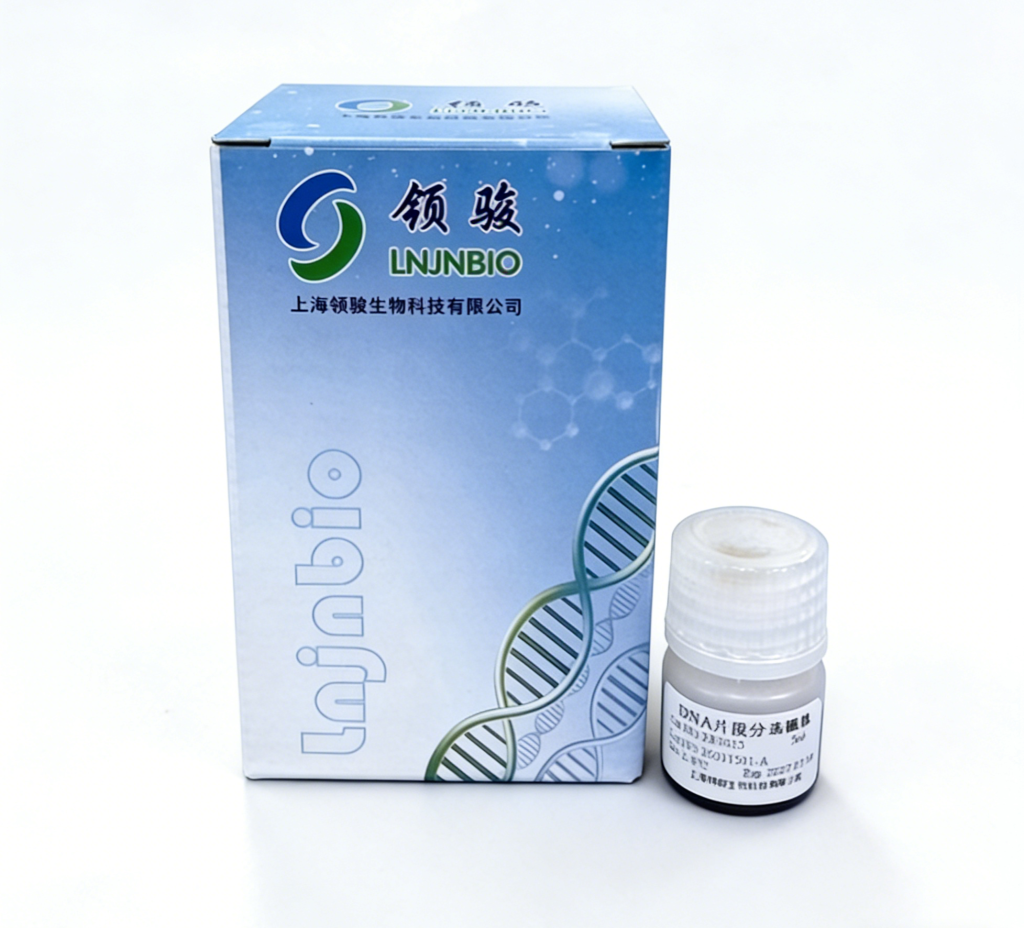
Vores leverede LnJnBio FR0015-serien højtydende silica-baserede magnetiske perler udviser fremragende stabilitet og forudsigelighed i deres reaktionskinetik under standardiserede temperatur- og tidsbetingelser. Kombineret med de her skitserede optimeringsstrategier, de kan hjælpe dig med at etablere en robust og pålidelig teknisk barriere, sikre erhvervelse af NGS-biblioteker af højeste kvalitet eller DNA-fragmenter af analytisk kvalitet fra dine dyrebare prøver, transformere exceptionelle eksperimentelle resultater fra en mulighed til en vished.
Leverandør
Shanghai Lingjun Biotechnology Co., Ltd.blev etableret i 2016 som er en professionel producent af biomagnetiske materialer og nukleinsyreekstraktionsreagenser.
Vi har stor erfaring med udvinding og oprensning af nukleinsyre, proteinoprensning, celleadskillelse, kemiluminescens, og andre tekniske områder.
Vores produkter er meget udbredt inden for mange områder, såsom medicinsk test, genetisk testning, universitetsforskning, genetisk avl, og så videre. Vi leverer ikke kun produkter, men kan også påtage os OEM, ODM, og andre behov. Hvis du har et relateret behov, er du velkommen til at kontakte os .