생체자기비즈 전문제조업체


DNA 단편 선택에서 실리카 기반 자기 비드의 온도 및 시간 최적화
머리말
실리카 기반 자성 비드를 이용한 DNA 단편 선별의 정밀한 작동, 반응 온도와 배양 시간은 또 다른 결정적인 변수입니다., 구슬 옆에’ 고유 성능 및 첨가 비율. 그들은 단지 “환경 배경” 그러나 DNA-비드 결합 및 해리의 동역학을 직접 조절하는 핵심 제어 레버입니다.. 이 두 가지 요소를 정확하게 제어하는 것은 단지 “제품을 얻는다” 에게 “높은 재현성을 달성, 고해상도 제품.”
1. 핵심 원칙: 온도와 시간이 DNA 단편 선택에 미치는 영향”
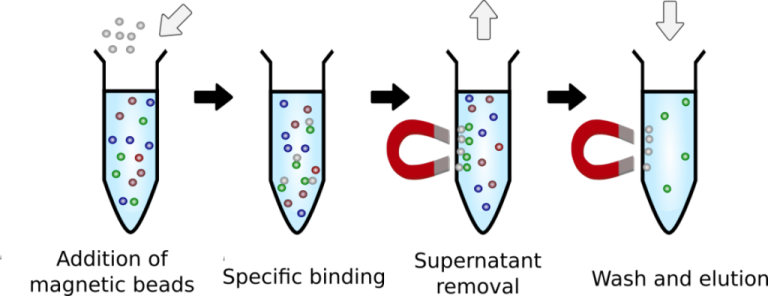
실리카 기반 비드 선택의 핵심은 DNA 단편 길이 차이에 따른 가역적 흡착입니다.. 이 과정은 열역학적 평형과 운동 속도에 의해 이중으로 제어됩니다., 온도와 시간이 이 두 수준에 작용하는 핵심 요소입니다..
1.1 온도: 그만큼 “조절기” 열역학적 평형의
바인딩 상수 (케이): 비드 표면에 DNA가 결합하는 것은 일반적으로 발열 과정입니다.. 온도가 증가하면 일반적으로 결합 상수가 감소합니다., 해리를 향해 평형을 이동. 즉, 동일한 조건에서, 온도가 높을수록 DNA와 비드 사이의 결합력이 전반적으로 약해집니다..
영향력의 통로: 온도 변화는 PEG/염 완충 시스템의 점도에 영향을 미칩니다., 이온 활동, 그리고 DNA 분자의 구조, 그로 인해 힘의 강도가 변경됩니다. “입체 배제 효과” 그리고 “소금 다리 상호 작용.” 실험에 따르면 일반적인 작동 범위 내에서, ±2°C의 온도 변동으로 인해 선택 창이 다음과 같이 바뀔 수 있습니다. 5-15 bp 및 회복률에 영향을 미침.
1.2 시간: 그만큼 “시간제 노동자” 운동 과정의
결합/해리 속도: DNA가 비드 표면으로 확산되어 흡착이 완료되는 데 시간이 필요합니다., 그리고 반대로, 비드에서 용출되어 새로운 평형에 도달.
영향력의 통로: 결합 시간이 부족하면 반응이 평형에 도달하지 못함을 의미합니다., 일부 표적 DNA의 비효율적인 흡착으로 이어짐, 회복이 감소하고 결과가 불안정해집니다. 결합 시간이 지나치게 길면 짧은 조각의 불순물에 대한 비특이적 흡착이 증가할 수 있습니다. 용출 시간이 부족하면 표적 단편이 불완전하게 용출됩니다.; 용출 시간이 지나치게 길면 비표적 단편의 동시 용출이 증가할 수 있습니다..
2. 최적화 전략: 표준화된 온도 및 시간 제어 프로토콜 확립
핵심 목표: 실험실 내 배치 내 및 배치 간 DNA-비드 상호작용을 위해 절대적으로 일관된 반응 환경을 조성합니다..
2.1 온도 조절: 일관성이 가장 중요합니다
2.1.1 최적의 작동 온도 결정 및 표준화
권장표준: 실내 온도 (25℃) 대부분의 상업용 키트에 최적화되고 검증된 조건이며 실험실 표준 온도로 권장됩니다.. 명확하게 정의 “실온” 범위 (예를 들어, 24-26℃) 실험실 온도계/습도계를 사용하여 모니터링합니다..
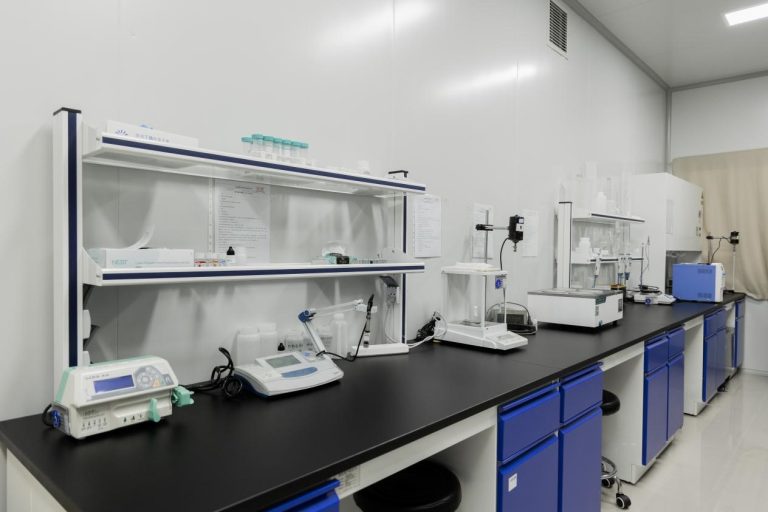
대처 전략: 실험실 주변 온도가 크게 변동하는 경우 (예를 들어, 계절의 변화로 인해), 온도 제어 모듈이 내장된 온도 혼합기나 금속 욕조를 사용하여 모든 배양 단계를 수행하는 것이 좋습니다.. 벤치탑에서 반응 튜브의 자연 배양을 피하십시오..
2.1.2 주요 운영 고려 사항
예열: 주요 시약을 간략하게 평형화합니다. (바인딩 버퍼, 용출 완충액) 차가운 시약을 첨가하여 발생하는 국부적인 온도 변화를 방지하기 위해 샘플을 사용하기 전에 작동 온도로 설정합니다..
일률: 동일한 배치 내의 모든 샘플이, 여러 배치에 걸쳐 동일한 단계를 수행합니다., 동일한 일정한 온도에서 수행됩니다.. 이는 데이터 비교 가능성을 보장하기 위한 초석입니다..
2.2 시간 제어: 추정에 대한 정밀도
2.2.1 주요 단계에 대한 인큐베이션 시간 최적화
바인딩 단계: 일반적으로 필요5-10 분 충분한 바인딩을 달성하기 위해. 시간 구배를 설정하여 소규모 파일럿 실험 수행 가능 (예를 들어, 5, 7.5, 10, 12.5 분) 고정된 온도에서. 미세유체 전기영동을 통해 회수율과 순도를 평가하여 정체기에 도달하는 최소 시점을 결정합니다..
용출 단계: 이는 선택 해상도를 제어하는 핵심입니다.. 너무 짧은 용출 시간 (예를 들어, <1 분) 불완전할 수도 있다; 너무 길다 (예를 들어, >5 분) may cause window broadening.
Recommended Strategy: Employ precise timing and fractionated elution. 예를 들어, after adding the first aliquot of elution buffer, incubate precisely at room temperature for 2 minutes, then collect the supernatant. Add a second aliquot of elution buffer, incubate for 1 minute, and collect. This helps separate fragments with slightly different binding strengths, optimizing product homogeneity.
2.2.2 Establish and Strictly Adhere to Standard Operating Procedure(SOP)
Once the optimal combination of incubation times is determined through pilot experiments (예를 들어, 제본: 8 분; elution 1- 2 minutes; elution 2- 1 minute), it should be documented in the laboratory SOP. Train all personnel to use atimer for precise control, maintaining an error within ±10 seconds, and abandoning “estimation by feel.”
3. Advanced Considerations: A Holistic View Beyond Individual Steps
Monitoring and Recording Ambient Temperature: Record the ambient temperature for each experiment. When inter-batch result discrepancies occur, temperature is a primary factor to investigate.
Consistency in Bead Separation and Transfer Times: The standing time after placing reaction tubes on the magnetic rack (예를 들어, the time to ensure solution clarification) should also be standardized (예를 들어, always 30 seconds or 1 분), as the dissociation reaction continues slowly during this period.
The Temperature Advantage of Automated Platforms: For high-throughput applications, employing automated liquid handling workstations with temperature control modules provides unparalleled uniformity in temperature and time, representing the ultimate solution for achieving the highest reproducibility.
결론: Transforming Variables into Constants, Making Excellence Inevitable
In fragment selection, fine control over temperature and time is a crucial marker for transforming the method from an “미술” 으로 “science.” By converting these two easily fluctuating environmental variables into strictly defined and executed standard constants within the laboratory, experimental error can be greatly minimized, ensuring that every selection is based on the same physicochemical foundation.
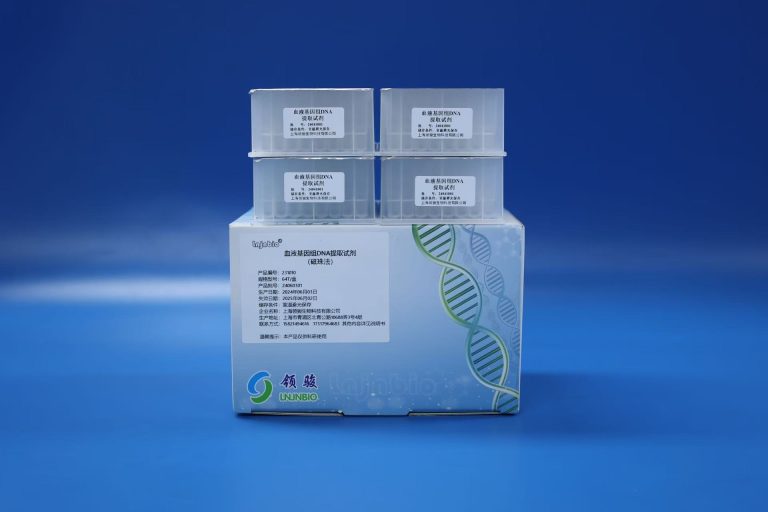
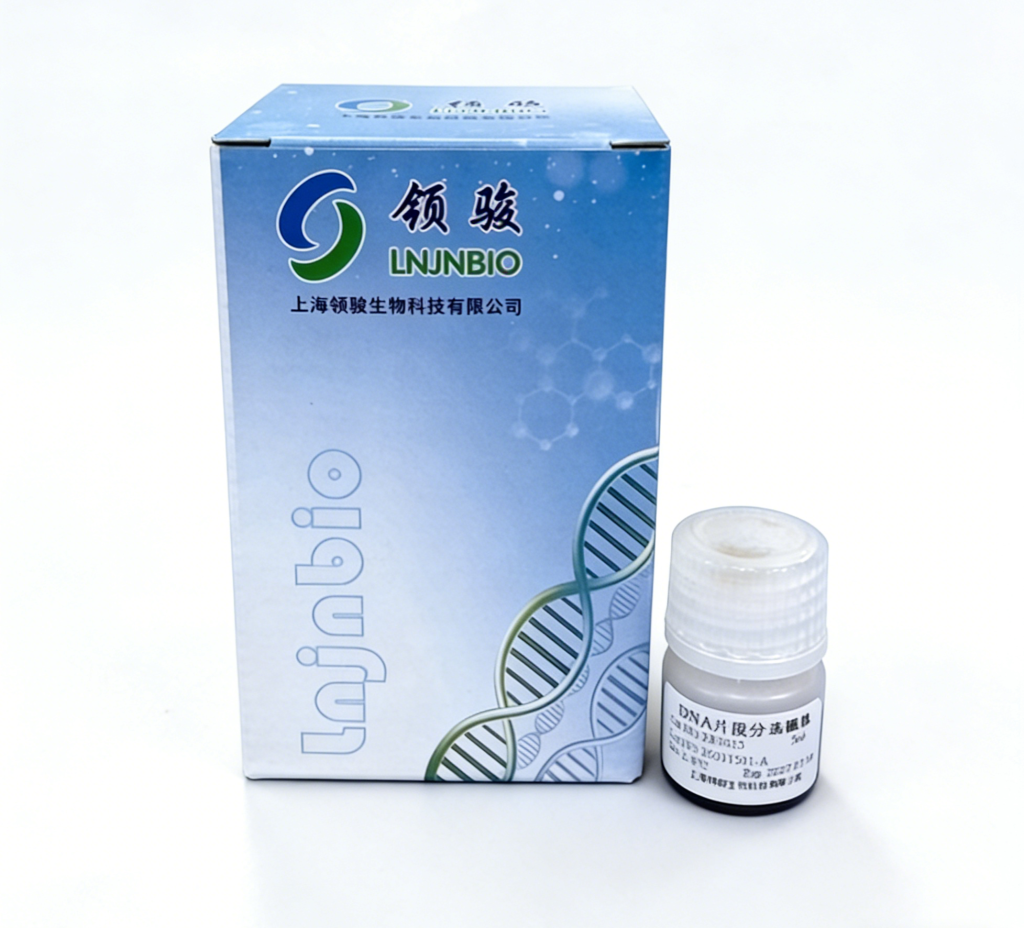
Our provided LnJnBio FR0015 Series high-performance silica-based magnetic beads exhibit excellent stability and predictability in their reaction kinetics under standardized temperature and time conditions. Combined with the optimization strategies outlined here, they can help you establish a robust and reliable technical barrier, ensuring the acquisition of the highest quality NGS libraries or analytical-grade DNA fragments from your precious samples, transforming exceptional experimental results from a possibility into a certainty.
공급자
상하이 링쥔 생명공학 유한회사, 주식회사에 설립되었습니다 2016 생체자성재료 및 핵산추출시약 전문제조업체입니다..
핵산 추출 및 정제 분야에서 풍부한 경험을 보유하고 있습니다., 단백질 정제, 세포 분리, 화학발광, 및 기타 기술 분야.
우리의 제품은 많은 분야에서 널리 사용됩니다., 의료 테스트와 같은, 유전자 검사, 대학 연구, 유전자 육종, 등. 우리는 제품을 제공할 뿐만 아니라 OEM도 수행할 수 있습니다., ODM, 그리고 다른 필요. 관련된 필요사항이 있는 경우, 저희에게 연락하게 자유롭게 느끼십시오 .