Professioneller Hersteller biomagnetischer Perlen


Zellfreie DNA-Extraktionstechnologie, Das Geheimnis des Lebens erforschen
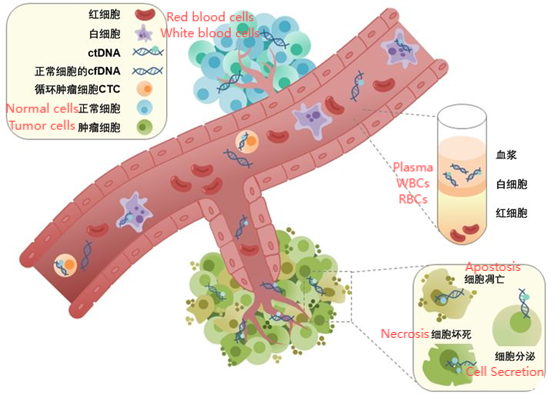
Auf dem Gebiet der Genomik, die Untersuchung zellfreier DNA (cfDNA) wird allmählich zu einem heißen Thema. Unter freier DNA versteht man kleine DNA-Fragmente, die im Blut vorhanden sind, die hauptsächlich aus apoptotischen oder geschädigten Zellen ins Blut abgegeben werden. cfDNA ist zu einem wichtigen Biomarker für die nicht-invasive Diagnose geworden, da sie individuelle genetische Informationen trägt, einschließlich Tumor-DNA; Dieser Artikel wird Ihnen helfen, die neuesten Fortschritte in zu verstehen zellfreie DNA-Extraktion Technologie und ihre mögliche Anwendung im Bereich der medizinischen Gesundheit.
Die Entdeckung und Bedeutung zellfreier DNA
Die Geschichte der freien DNA (zellfreie DNA, cfDNA) zurückgeführt werden kann 1948 als Wissenschaftler erstmals über die Entdeckung freier DNA-Fragmente im Blut berichteten. Die frühesten Aufzeichnungen zeigen, dass zwei französische Wissenschaftler freie DNA im Blut entdeckten, Mandel und Metais, in den 1940er Jahren. Jedoch, Diese Entdeckung erregte erst nach einiger Zeit große Aufmerksamkeit. Erst mit der Weiterentwicklung der molekularbiologischen Technologie und der Vertiefung ihrer potenziellen klinischen Anwendung wurde die Bedeutung freier DNA allmählich deutlich.
Mit der Entwicklung der Hochdurchsatz-Sequenzierungstechnologie (Sequenzierung der nächsten Generation, NGS), Der Anwendungsbereich von cfDNA wurde kontinuierlich erweitert, nicht nur auf die pränatale Diagnostik beschränkt, sondern auch die Früherkennung von Krebs, Überwachung nach der Transplantation und andere Bereiche. Heute, Freie DNA ist zu einem Kernbestandteil der Flüssigbiopsie und einem wichtigen Werkzeug in der biomedizinischen Forschung geworden.
Entwicklung der Extraktionstechnik
Freie DNA ist normalerweise im Plasma oder Serum vorhanden, mit extrem geringem Gehalt, was die Extraktion vor Herausforderungen stellt. Zu den traditionellen Extraktionsmethoden gehören die Phenol-Chloroform-Extraktion und kommerzielle Kits. Obwohl ersteres eine höhere DNA-Reinheit erreichen kann, Aufgrund seines komplexen Betriebs und langen Verbrauchs ist es nicht für die Probenverarbeitung in großem Maßstab geeignet; Letzteres wird aufgrund seiner einfachen und schnellen Eigenschaften häufig in der klinischen Praxis eingesetzt.
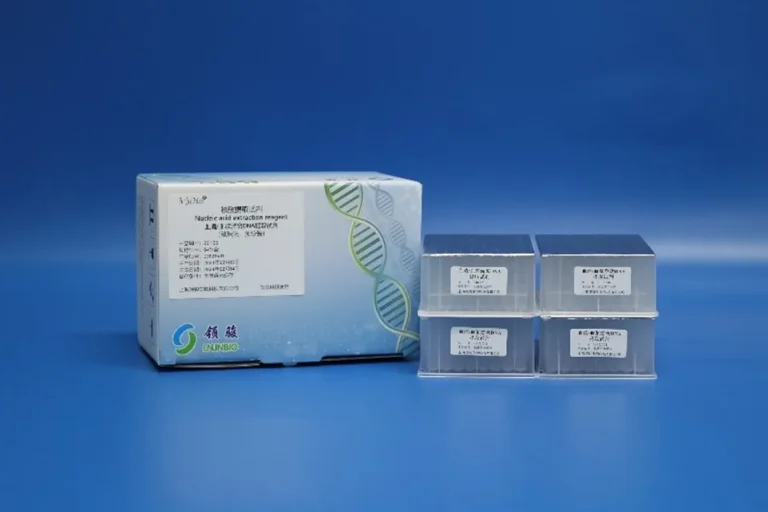
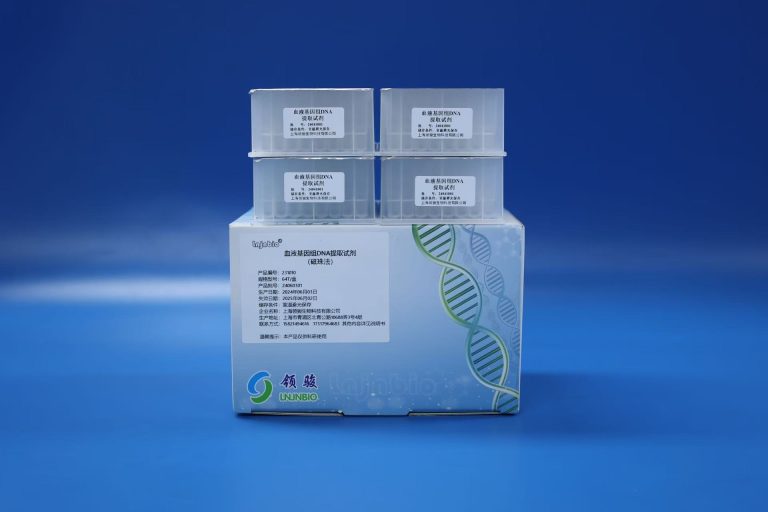
In den letzten Jahren, mit der Entwicklung der Nanotechnologie und Mikrofluidik-Technologie, Neue cfDNA-Extraktionsplattformen sind entstanden. Diese Plattformen verbessern nicht nur die Wiederherstellungsrate und Reinheit der cfDNA, sondern verkürzen auch die Bearbeitungszeit erheblich, Dadurch ist eine Hochdurchsatzanalyse möglich. Zusätzlich, Die magnetische Bead-Trenntechnologie kann auch cfDNA effektiv anreichern, Dies bietet eine zuverlässige Garantie für die anschließende Sequenzanalyse.
Aussichten für die zellfreie DNA-Extraktion
Obwohl die zellfreie DNA-Extraktionstechnologie erhebliche Fortschritte gemacht hat, Es sind noch einige Herausforderungen zu bewältigen, Beispielsweise wie die Nachweisempfindlichkeit von cfDNA weiter verbessert und der Probenverarbeitungsprozess standardisiert werden kann. Mit der Vertiefung der Forschung und dem Fortschritt der Technologie, Diese Probleme werden gelöst. In der Zukunft, Die zellfreie DNA-Extraktionstechnologie wird in der personalisierten Medizin eine wichtigere Rolle spielen, Präzisionsmedizin, usw., und einen größeren Beitrag zur menschlichen Gesundheit leisten.
Lieferantenvorstellung
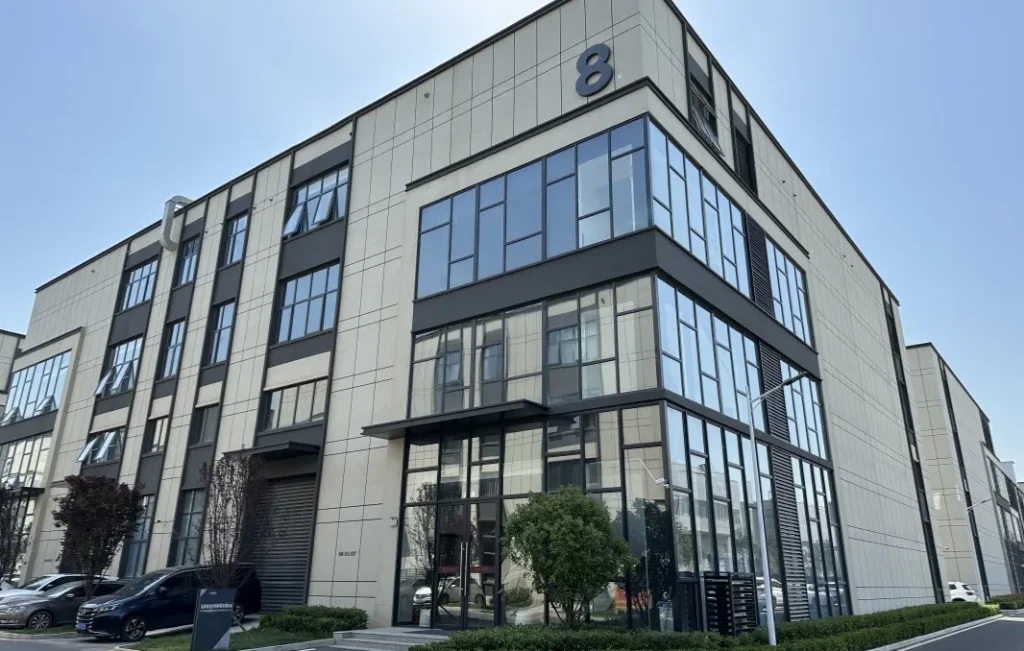
Shanghai Lingjun Biotechnology Co., Ltd.wurde gegründet in 2016 Das ist ein professioneller Hersteller von biomagnetischen Materialien und Nukleinsäure-Extraktionsreagenzien.
Wir verfügen über umfangreiche Erfahrung in der Isolierung und Reinigung von Nukleinsäuren, Proteinreinigung, Zelltrennung, Chemilumineszenz und andere technische Bereiche.
Unsere Produkte werden in vielen Bereichen weit verbreitet eingesetzt, wie zum Beispiel medizinische Tests, Gentests, universitäre Forschung, genetische Zucht, usw. Wir liefern nicht nur Produkte, sondern können auch OEM übernehmen, ODM, und andere Bedürfnisse. Wenn Sie entsprechende Bedürfnisse haben, Bitte kontaktieren Sie uns untersales01@lingjunbio.com.