Fabricante profesional de perlas biomagnéticas


Tecnología de extracción de ADN sin células, Explorando el misterio de la vida
En el campo de la genómica, el estudio del ADN libre de células (ADNcf) poco a poco se está convirtiendo en un tema candente. El ADN libre se refiere a pequeños fragmentos de ADN presentes en la sangre., que se liberan principalmente en la sangre a partir de células apoptóticas o dañadas. El cfDNA se ha convertido en uno de los biomarcadores importantes para el diagnóstico no invasivo porque transporta información genética individual., incluido el ADN tumoral; Este artículo le ayudará a comprender los últimos avances en extracción de ADN libre de células Tecnología y su potencial aplicación en el campo de la salud médica..
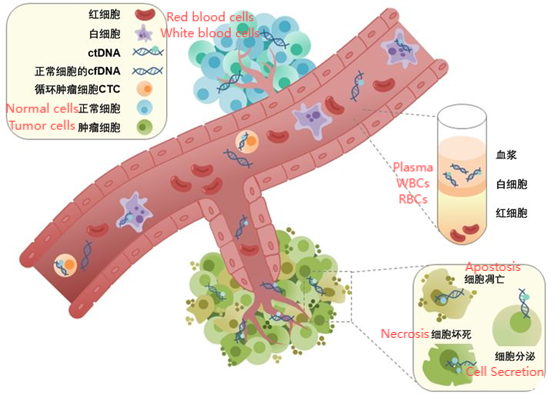
El descubrimiento y la importancia del ADN libre de células
La historia del ADN libre (ADN libre de células, ADNcf) se puede rastrear hasta 1948 cuando los científicos informaron por primera vez del descubrimiento de fragmentos de ADN libres en la sangre. Los primeros registros muestran que dos científicos franceses descubrieron ADN libre en la sangre., Mandel y Metais, en la década de 1940. Sin embargo, este descubrimiento sólo atrajo la atención generalizada después de algún tiempo. Fue sólo con el avance de la tecnología de la biología molecular y la profundización de su potencial aplicación clínica que surgió gradualmente la importancia del ADN libre..
Con el desarrollo de la tecnología de secuenciación de alto rendimiento (Secuenciación de próxima generación, NGS), El ámbito de aplicación de cfDNA se ha ampliado continuamente., no sólo se limita al diagnóstico prenatal, pero también incluyendo la detección temprana del cáncer, seguimiento postrasplante y otros campos. Hoy, El ADN libre se ha convertido en un componente central de la biopsia líquida y una herramienta importante en la investigación biomédica..
Desarrollo de tecnología de extracción.
El ADN libre suele estar presente en plasma o suero., con contenido extremadamente bajo, lo que trae desafíos a la extracción. Los métodos de extracción tradicionales incluyen la extracción con fenol-cloroformo y kits comerciales.. Aunque los primeros pueden obtener una mayor pureza del ADN., No es adecuado para el procesamiento de muestras a gran escala debido a su operación compleja y su largo consumo.; este último ha sido ampliamente utilizado en la práctica clínica debido a sus características simples y rápidas..
En los últimos años, con el desarrollo de la nanotecnología y la tecnología de microfluidos, Han surgido nuevas plataformas de extracción de cfDNA.. Estas plataformas no solo mejoran la tasa de recuperación y la pureza del cfDNA, pero también acorta en gran medida el tiempo de procesamiento, haciendo posible el análisis de alto rendimiento. Además, La tecnología de separación de perlas magnéticas también puede enriquecer eficazmente el cfDNA, proporcionando una garantía confiable para el análisis de secuenciación posterior.
Perspectivas de la extracción de ADN sin células
Aunque la tecnología de extracción de ADN libre de células ha logrado avances significativos, aún quedan algunos retos por superar, tales como cómo mejorar aún más la sensibilidad de detección del cfDNA y cómo estandarizar el proceso de procesamiento de muestras. Con la profundización de la investigación y el avance de la tecnología, estos problemas se resolverán. En el futuro, La tecnología de extracción de ADN sin células desempeñará un papel más importante en la medicina personalizada., medicina de precisión, etc., y hacer mayores contribuciones a la salud humana.
Introducción del proveedor
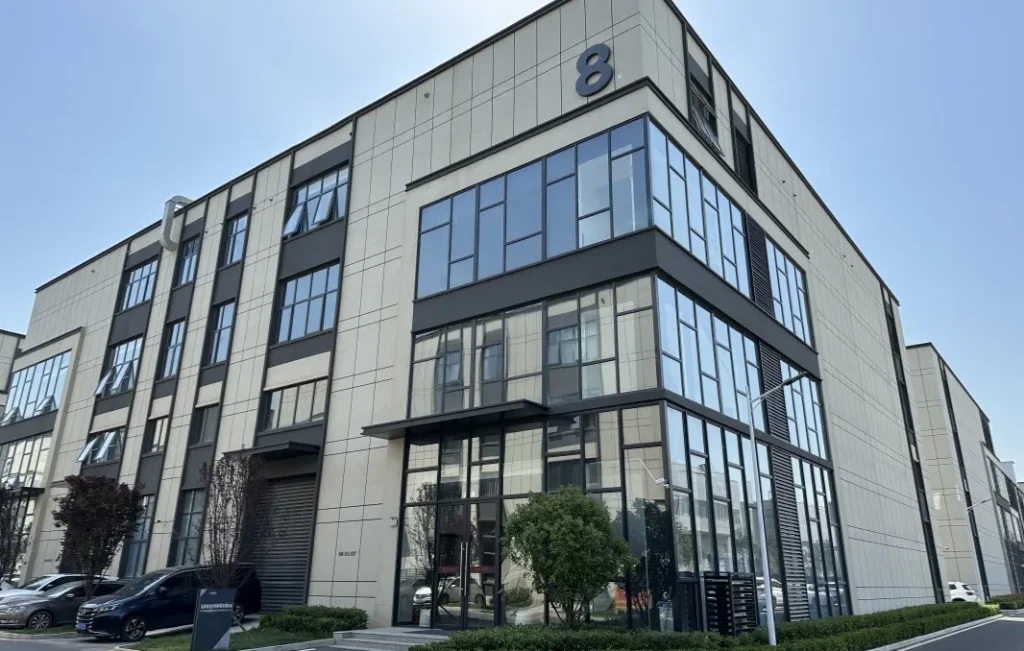
Shanghai Lingjun Biotecnología Co., Limitado.se estableció en 2016 que es un fabricante profesional de materiales biomagnéticos y reactivos de extracción de ácidos nucleicos..
Tenemos una rica experiencia en aislamiento y purificación de ácidos nucleicos., purificación de proteínas, separación celular, quimioluminiscencia y otros campos técnicos.
Nuestros productos son ampliamente utilizados en muchos campos., como pruebas médicas, pruebas genéticas, investigación universitaria, mejoramiento genético, etc.. No solo proporcionamos productos sino que también podemos realizar OEM, ODM, y otras necesidades. Si tienes necesidades relacionadas, no dude en contactarnos enventas01@lingjunbio.com.