Professionele fabrikant van biomagnetische kralen
Celvrije DNA-extractietechnologie, Het mysterie van het leven verkennen
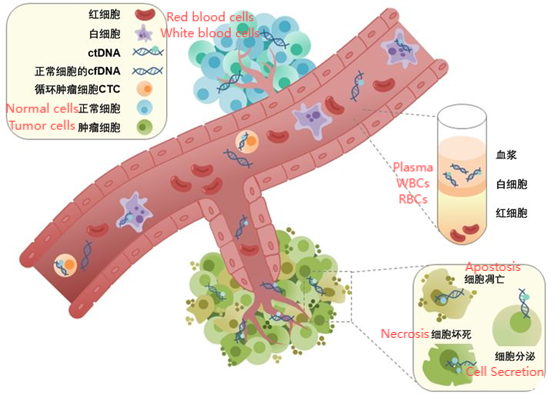
Op het gebied van genomica, de studie van celvrij DNA (cfDNA) langzamerhand een hot topic aan het worden. Vrij DNA verwijst naar kleine fragmenten DNA die in het bloed aanwezig zijn, die voornamelijk door apoptotische of beschadigde cellen in het bloed worden afgegeven. cfDNA is een van de belangrijke biomarkers voor niet-invasieve diagnose geworden omdat het individuele genetische informatie bevat, inclusief tumor-DNA; Dit artikel zal u helpen de laatste vooruitgang te begrijpen op het gebied van celvrije DNA-extractie technologie en de mogelijke toepassing ervan op het gebied van de medische gezondheidszorg.
De ontdekking en het belang van celvrij DNA
De geschiedenis van vrij DNA (celvrij DNA, cfDNA) kan worden teruggevoerd 1948 toen wetenschappers voor het eerst de ontdekking van vrije DNA-fragmenten in het bloed rapporteerden. Uit de vroegste gegevens blijkt dat twee Franse wetenschappers vrij DNA in het bloed hebben ontdekt, Mandel en Metais, in de jaren veertig. Echter, deze ontdekking trok pas na enige tijd brede aandacht. Pas in de vooruitgang van de moleculaire biologietechnologie en de verdieping van de potentiële klinische toepassing ervan kwam het belang van vrij DNA geleidelijk aan naar voren..
Met de ontwikkeling van high-throughput sequencing-technologie (Sequencing van de volgende generatie, NGS), het toepassingsbereik van cfDNA is voortdurend uitgebreid, niet alleen beperkt tot prenatale diagnostiek, maar ook het vroegtijdig opsporen van kanker, monitoring na transplantatie en andere gebieden. Vandaag, vrij DNA is een kerncomponent geworden van vloeibare biopsie en een belangrijk hulpmiddel in biomedisch onderzoek.
Ontwikkeling van extractietechnologie
Vrij DNA is meestal aanwezig in plasma of serum, met een extreem laag gehalte, wat uitdagingen met zich meebrengt voor de extractie. Traditionele extractiemethoden omvatten fenol-chloroformextractie en commerciële kits. Hoewel de eerstgenoemde een hogere DNA-zuiverheid kunnen verkrijgen, het is niet geschikt voor grootschalige monsterverwerking vanwege de complexe werking en het lange verbruik; dit laatste wordt veel gebruikt in de klinische praktijk vanwege zijn eenvoudige en snelle eigenschappen.
De afgelopen jaren, met de ontwikkeling van nanotechnologie en microfluïdische technologie, Er zijn nieuwe cfDNA-extractieplatforms ontstaan. Deze platforms verbeteren niet alleen het herstelpercentage en de zuiverheid van cfDNA, maar verkort ook de verwerkingstijd aanzienlijk, waardoor analyse met hoge doorvoer mogelijk wordt. In aanvulling, magnetische kralenscheidingstechnologie kan cfDNA ook effectief verrijken, het bieden van een betrouwbare garantie voor daaropvolgende sequentieanalyse.
Vooruitzichten voor celvrije DNA-extractie
Hoewel celvrije DNA-extractietechnologie aanzienlijke vooruitgang heeft geboekt, er zijn nog enkele uitdagingen die moeten worden overwonnen, zoals hoe de detectiegevoeligheid van cfDNA verder kan worden verbeterd en hoe het monsterverwerkingsproces kan worden gestandaardiseerd. Met de verdieping van het onderzoek en de vooruitgang van de technologie, deze problemen zullen worden opgelost. In de toekomst, celvrije DNA-extractietechnologie zal een belangrijkere rol spelen in de gepersonaliseerde geneeskunde, precisie geneeskunde, enz., en een grotere bijdrage leveren aan de menselijke gezondheid.
Introductie van leveranciers
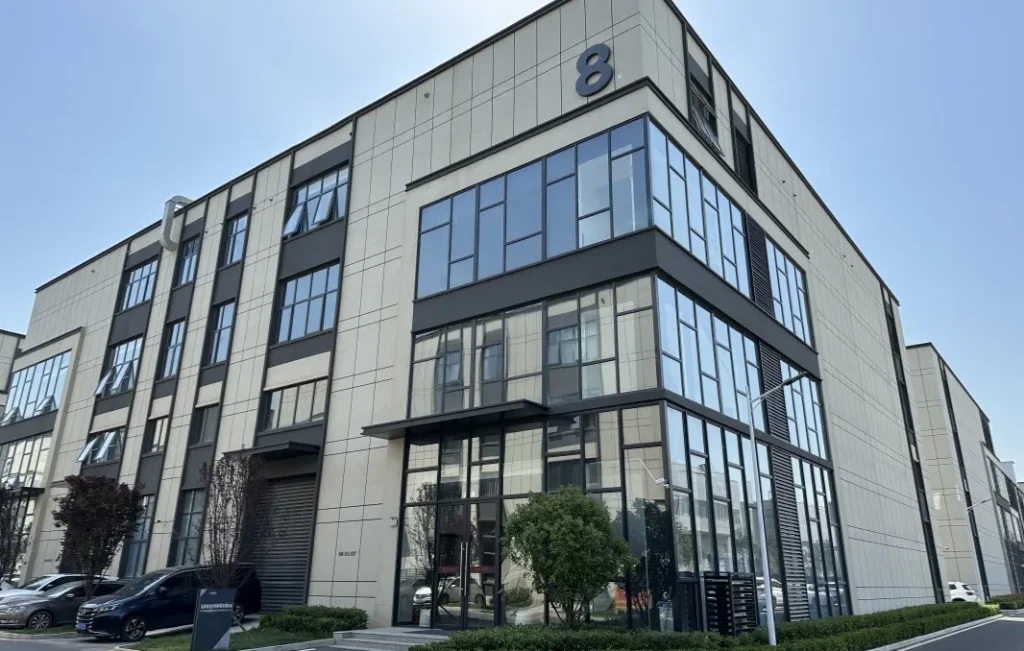
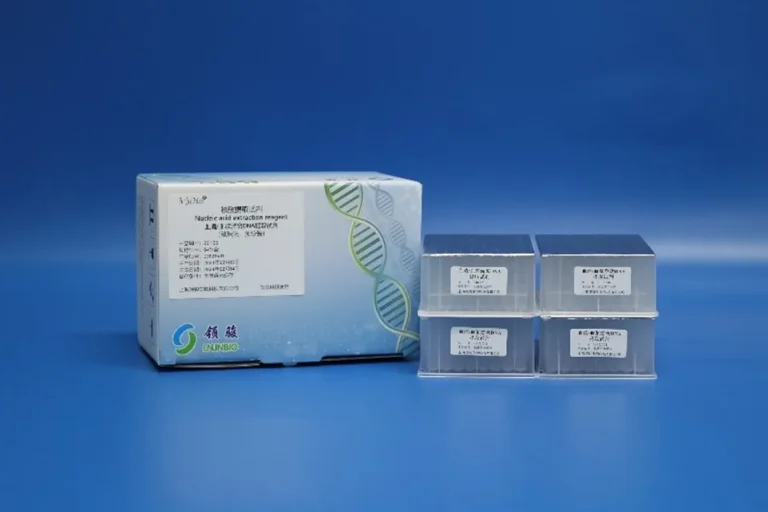
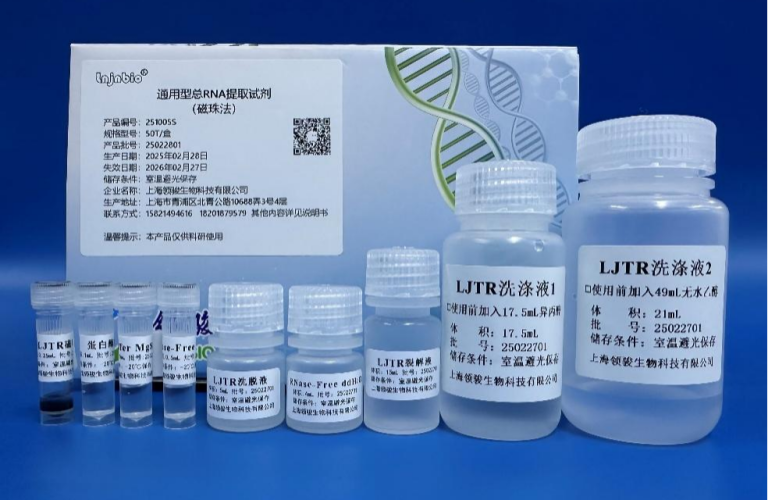
Shanghai Lingjun Biotechnologie Co., Ltd.werd opgericht in 2016 dat een professionele fabrikant is van biomagnetische materialen en reagentia voor nucleïnezuurextractie.
We hebben een rijke ervaring in de isolatie en zuivering van nucleïnezuren, eiwit zuivering, cel scheiding, chemiluminescentie en andere technische gebieden.
Onze producten worden op veel gebieden veel gebruikt, zoals medische testen, genetische testen, universitair onderzoek, genetische veredeling, enz. Wij leveren niet alleen producten, maar kunnen ook OEM ondernemen, ODM, en andere behoeften. Als u gerelateerde behoeften heeft, neem dan gerust contact met ons op viasales01@lingjunbio.com.