Professioneller Hersteller biomagnetischer Perlen


Die Zukunft der Magnetkügelchen-Rohstoffe im aktuellen Handelsbarrierenkrieg zwischen China und den Vereinigten Staaten
Im aktuellen Handelsbarrierenkrieg zwischen China und den Vereinigten Staaten, Rohstoffe für magnetische Perlen, als Kernrohstoffe in den Bereichen Biomedizin und In-vitro-Diagnose, stehen vor zahlreichen Herausforderungen wie der Sicherheit der Lieferkette, Technologieblockade und hohe Zölle. In Kombination mit globalen geopolitischen Spielen und technologischen Entwicklungstrends, Der Durchbruch der chinesischen Magnetperlenindustrie kann anhand der folgenden fünf Dimensionen erfolgen:
Erste, Beschleunigung der inländischen Substitution und Durchbruch technische Engpässe
China verfügt über umfangreiche Grundlagenforschung zu Magnetperlen, aber seine Industrialisierungsfähigkeiten sind unzureichend, insbesondere bei hochwertigen Magnetkügelchen in GMP-Qualität (wie zum Beispiel Zellsortier-Magnetkügelchen), die seit langem auf Importe angewiesen sind. Der Weltmarktanteil wird von amerikanischen und japanischen Unternehmen monopolisiert, mit 90% dass der Markt dominiert wird. In den letzten Jahren, Inländische Unternehmen, vertreten durch Beijing Tongli Haiyuan, haben technologische Durchbrüche erzielt. Zum Beispiel, Das von ihnen entwickelte ActSep® CD3/CD28 Sortieraktivierungs-Magnetkügelchen wurde bei der FDA unter Typ DMF II registriert, Es entspricht internationalen Standards und wurde in präklinischen Studien auf die Machbarkeit eines Ersatzes von Importen validiert.
Technische Schwierigkeiten: Die industrielle Produktion von Magnetkügelchen muss die Probleme der nanoskaligen Reaktionskontrolle und Chargenstabilität lösen. Inländische Unternehmen wie Shanghai LnjnBio haben den Abstand zu importierten Produkten durch die Optimierung des Prozesses schrittweise verringert.
Politischer Antrieb und Integration der Industriekette,China listet Magnetperlen als eine davon auf “Engpass” Technologien, Förderung heimischer Alternativen durch gezielte Unterstützung und R&D Subventionen auf politischer Ebene. Zum Beispiel, das Nationale “Siebtes Fünfjahr” Das Projekt unterstützt die Forschung und Entwicklung von Seltenerd-Permanentmagnetmaterialien, Dies treibt indirekt die Weiterentwicklung der Magnetkügelchen-Technologie voran. Gleichzeitig, Unternehmen müssen vor- und nachgelagerte Ressourcen integrieren, wie zum Beispiel die Kombination der Trennung und Reinigung seltener Erden (China ist verantwortlich 70% der globalen Produktionskapazität) mit Magnetkügelchenherstellung zur Reduzierung der Rohstoffkosten.
Zweite,In Anspruch nehmen politische Dividenden zu bauen Industrieökologie
Richtlinienunterstützungs- und Genehmigungsprozesse beschleunigen sich. Chinas 14. Fünfjahresplan für die Bioökonomie listet Schlüsselmaterialien für die Zelltherapie als Priorität für Forschung und Entwicklung auf. Die NMPA (Nationale Verwaltung für Medizinprodukte) bietet eine 1-2 Jahr beschleunigter Zulassungsprozess für CAR-T-Produkte unter Verwendung im Inland hergestellter Materialien, Ermutigung der Unternehmen, heimischen Magnetperlen den Vorzug zu geben. Kommunalverwaltungen bieten Steuerermäßigungen und R an&D-Förderungen in biopharmazeutischen Parks, weitere Senkung der Innovationskosten für Unternehmen.
Kollaborative Innovation in der Industriekette, inländische Magnetkügelchenunternehmen und CAR-T-Pharmaunternehmen (wie Yimiao Shenzhou, Chongqing-Präzision) einen geschlossenen Kreislauf strategischer Zusammenarbeit etablieren, und realisieren die Verifizierung der gesamten Kette vom Rohstoff bis zum Endprodukt, um die Kompatibilität und Stabilität der Technologie sicherzustellen.
Über die gemeinsame Plattform Industrie-Universität-Forschung (wie das Center for Excellence in Molecular Cell Science der Chinesischen Akademie der Wissenschaften), Grundlagenforschung und industrielle Bedürfnisse werden gefördert, um das Problem der Mikroreaktionskontrolle bei der industriellen Produktion von Magnetkügelchen zu lösen.
Dritte, Transithandel zu Vermeiden Sie Zollschranken
Umschlagstrategie in Südostasien Als Reaktion auf die hohen Antidumpingzölle der USA auf Magnetbead-Rohstoffe aus China (wie zum Beispiel Wolframperlen 352.20%), Unternehmen können Risiken durch Umschlagshandel in Südostasien vermeiden:
Betriebsablauf: Die Waren werden zunächst in die Zollgebiete Malaysias exportiert, Thailand und andere Länder, und dann in den Container umgefüllt und das lokale Ursprungszeugnis beantragt (CO). Anschließend werden sie im Namen eines Drittlandes in die USA exportiert, um die Zollschranken legal zu umgehen.
Fallüberprüfung: Chinesische Unternehmen für Gummimagnete wurden erfolgreich gemieden 185.28% Antidumpingzölle im Rahmen dieser Regelung eingeführt und Exportaufträge in die Vereinigten Staaten wieder aufgenommen.
Kosten- und Compliance-Balance, re-export trade needs to ensure logistics timeliness and document authenticity, choose experienced logistics service providers (such as Shenzhen Jingwei Container) can reduce operational risks.
Fourth, global layout and market diversification
To expand into emerging markets, Chinese magnetic bead enterprises enter the US market through FDA DMF filing (wie zum Beispiel 10 products of Beijing Tongli Haiyuan), and increase exports to Europe, Southeast Asia and other regions to diversify geopolitical risks.
Technology output and cooperation, through technology licensing or joint venture mode, cooperate with enterprises in emerging markets such as India and Brazil to reduce costs by taking advantage of their local production advantages and circumvent trade restrictions.
Fifth. Response to resource control and countermeasures
Rare earth countermeasures: China’s export control on dysprosium, germanium and rare earth minerals can counter the US high-tech industry (such as chip and magnet production) and indirectly protect the safety of its magnetic bead industry chain. Zum Beispiel, the US relies on China for 75% of its rare earth imports, and the weaponization of resources will force the US to make concessions in trade negotiations.
Countermeasures in service trade weaken the US advantage in service trade through the formulation of digital trade rules and intellectual property protection. Zum Beispiel, antitrust investigations against Google, Nvidia and other companies indirectly enhance China’s voice in the field of technical standards.
Abschluss: Multi-dimensional ice breaking, build a resilient supply chain
The future of magnetic bead raw materials requires the integration of three core logics: technologische Innovation, policy coordination, and trade strategy adjustment. In the short term, exports should be sustained through re-export trade. In the medium term, domestic substitution and technological upgrades should reduce dependence. In the long term, a global layout and resource countermeasures must form a strategic balance. Throughout this process, companies need to closely monitor policy developments (wie zum Beispiel “digital trade” Und “service trade” plans) and flexibly adjust their strategies to achieve a comprehensive breakthrough in “Engpass” technologies in the Sino-US rivalry.
Anbieter
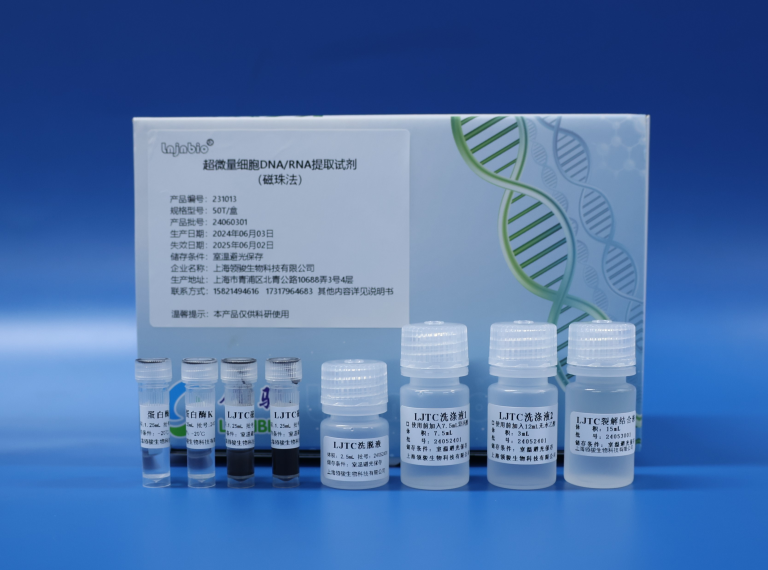
Shanghai Lingjun Biotechnology Co., Ltd.wurde gegründet in 2016 Das ist ein professioneller Hersteller von biomagnetischen Materialien und Nukleinsäure-Extraktionsreagenzien.
Wir verfügen über umfangreiche Erfahrung in der Extraktion und Reinigung von Nukleinsäuren, Proteinreinigung, Zelltrennung, Chemilumineszenz, und anderen technischen Bereichen.
Unsere Produkte werden in vielen Bereichen weit verbreitet eingesetzt, wie zum Beispiel medizinische Tests, Gentests, universitäre Forschung, genetische Zucht, und so weiter. Wir liefern nicht nur Produkte, sondern können auch OEM übernehmen, ODM, und andere Bedürfnisse. Wenn Sie einen entsprechenden Bedarf haben, Nehmen Sie gerne Kontakt zu uns auf .