생체자기비즈 전문제조업체


DNA 단편 분류의 시장 탐색 및 분석
DNA 단편 분류 기술, 높은 처리량 시퀀싱의 핵심 구성 요소(NGS) 도서관 건설, 시장 수요 및 기술 혁신과 밀접하게 연관되어 있습니다.. 정밀의학의 급속한 발전으로, 분자진단, 및 연구 분야, 이 시장은 국내 대체와 같은 중요한 추세를 나타냅니다., 가속화된 기술 반복, 가격경쟁 심화. 다음은 현재 시장 상황을 포함한 측면에서 종합적인 분석을 제공합니다., 기술적인 경로, 경쟁 구도, 그리고 미래의 트렌드:
1. 시장 현황 및 추진 요인
전통적인 자기 비드 분류 기술은 오랫동안 수입 브랜드에 의해 지배되어 왔습니다.(Beckman의 AMPure XP 자기 비드 등). 하지만, 최근 몇 년 동안, 국내 마그네틱 비드는 높은 경제성과 현지화된 서비스로 인해 급격한 상승세를 보이고 있습니다.. 국내 제조사들은 대규모 생산과 기술 최적화를 통해 수입의존도를 점차 타파해 나가고 있다.. 에 의해 2024, 중국 시장에서 국내 생산 마그네틱 비드의 점유율이 초과되었습니다. 64%.
NGS에서 요구하는 DNA 단편 길이의 정밀한 제어로 높은 반복성과 높은 호환성을 갖춘 자기 비드 선별 기술 개발이 촉진되었습니다. (지원하는 것과 같은 100 bp~10kb 조각 정렬).
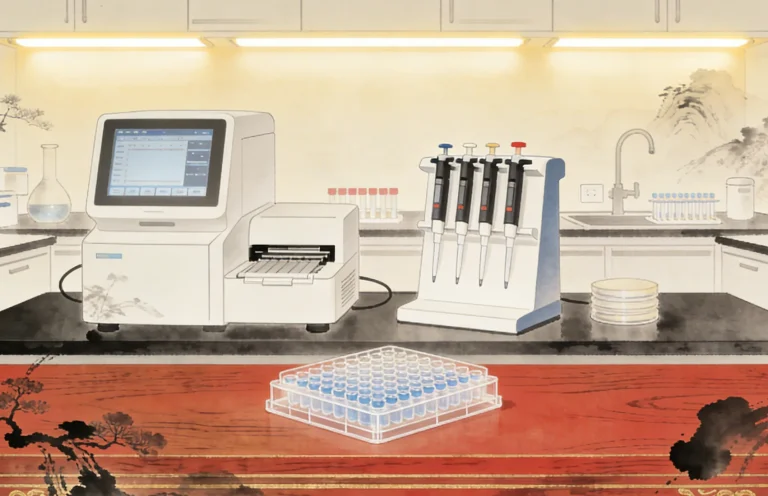
자동화된 워크스테이션에 대한 수요가 급증함에 따라, 국내 자기 비드는 실험실 효율성을 향상시키기 위해 주류 액체 취급 시스템에 적용되었습니다..
중국의 14차 5개년 계획은 생물의학 산업 체인의 독립적인 통제를 강조하고 국내 시약의 연구 개발을 촉진합니다..
2. 기술 경로 및 혁신 방향
고체상 가역적 고정화 원리에 기초 (SPRI), 단편 정렬은 샘플에 대한 자기 비드의 비율을 조정하여 달성됩니다., 간편하고 복구율이 높은 (이상 90%).
Xdrop 시스템과 같은 최신 기술, 이중으로 유화된 액적에 DNA 단편을 캡슐화한 것입니다., 긴 조각을 지원합니다 (약 100 kb) 구조적 변이 탐지 및 유전자 매핑 연구를 위한 분류 및 단일 세포 분석.
형광 코딩 기술과 결합된 다중 검출 최적화는 단일 반응의 표적 검출 능력을 향상시키고 NGS 다중 라이브러리 구축의 병목 현상을 해결합니다..
제삼, 경쟁 패턴 및 주요 플레이어
북미가 시장을 선도한다, 성숙한 의료 시스템과 연구비 지출로 성장을 주도, 회계 40 글로벌 수익의 퍼센트.
아시아 태평양 지역이 가장 빠르게 성장하고 있습니다., 중국을 핵심시장으로, 정책배당과 지역혁신기업이 주도.
3. 시장 과제 및 미래 동향
사용자 개념이 확고해짐, 일부 실험실에서는 여전히 브랜드를 수입하고 국내 제품의 품질을 의심하는 경향이 있습니다..
미래에, 국내 제조업체는 다른 제조업체로 인해 비용을 절감할 것으로 예상됩니다. 30% 대규모 생산과 기술 반복을 통해 향후 5년 내.
애플리케이션 확장: NGS 라이브러리 구축부터 POCT, 환경 모니터링까지 (병원체 탐지와 같은).
기술 통합: AI 지원 정렬 데이터 분석, 나노 물질은 자성 비드의 흡착 효율을 향상시킵니다., 분류정밀도 및 자동화수준 향상을 추진합니다..
5. 요약
DNA 단편 선별 시장은 현재 기술 배당 출시 기간이다., 국내 대체와 기술혁신을 핵심 원동력으로 삼아. 향후 경쟁에서는 다중 감지 기능을 강화하는 데 중점을 둘 것입니다., 자동화 장비의 대중화, 새로운 애플리케이션 시나리오 탐색. 정책 지원과 토착 혁신 활용, 중국은 글로벌 시장에서 더욱 중요한 전략적 위치를 확보할 준비가 되어 있습니다..
공급자
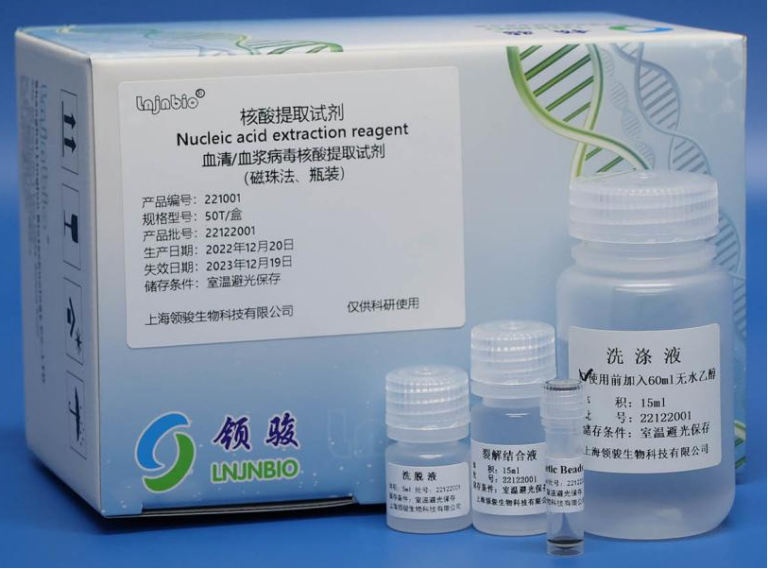
상하이 링쥔 생명공학 유한회사, 주식회사에 설립되었습니다 2016 생체자성재료 및 핵산추출시약 전문제조업체입니다..
핵산 추출 및 정제 분야에서 풍부한 경험을 보유하고 있습니다., 단백질 정제, 세포 분리, 화학발광, 및 기타 기술 분야.
우리의 제품은 많은 분야에서 널리 사용됩니다., 의료 테스트와 같은, 유전자 검사, 대학 연구, 유전자 육종, 등. 우리는 제품을 제공할 뿐만 아니라 OEM도 수행할 수 있습니다., ODM, 그리고 다른 필요. 관련된 필요사항이 있는 경우, 저희에게 연락하게 자유롭게 느끼십시오 .