Pengeluar Profesional Manik Biomagnet
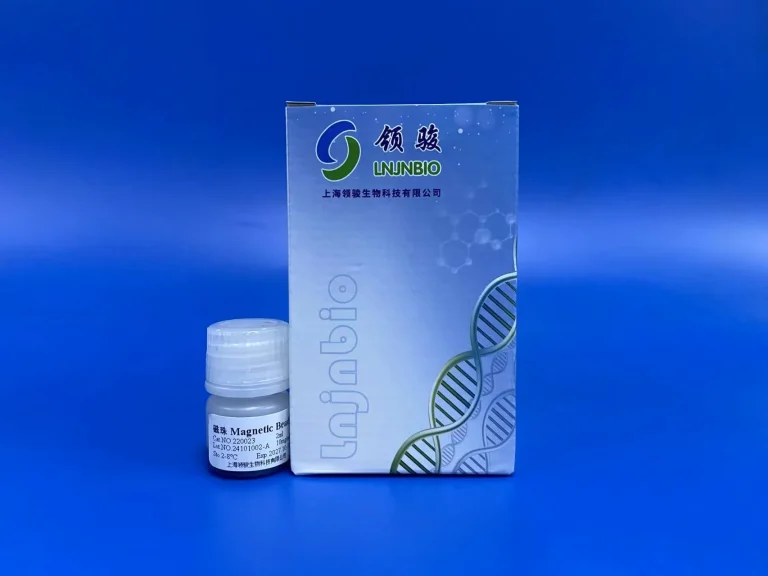
Teknologi manik magnet yang diubah suai amino untuk rawatan air sisa tergalvani
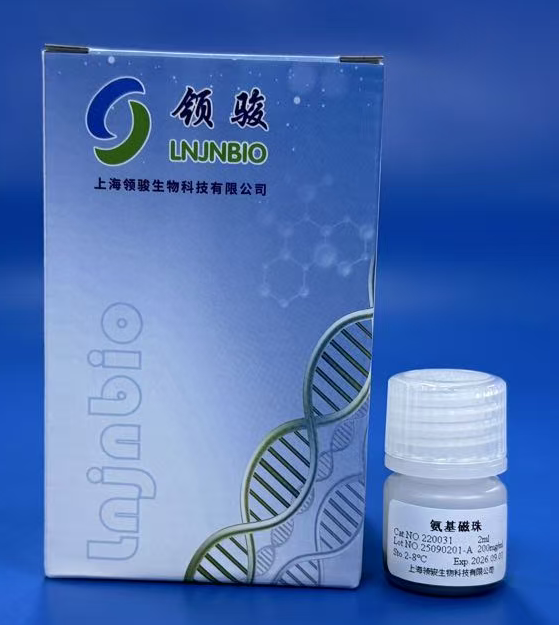
Pembuat keputusan teknikal yang dihormati dalam loji penyaduran zink, Adakah anda bosan dengan cadangan pengubahsuaian peralatan berjuta-juta dolar? Pernahkah anda mendengar tentang manik magnet silika yang terkenal tetapi bimbang tentang pelaburan yang tinggi dalam peralatan sokongan? Hari ini, kami memperkenalkan revolusioner sedia untuk digunakanmanik magnet yang diubah suai amino—tiada pelaburan dalam peralatan baharu, tiada perubahan kepada proses sedia ada. Hanya tambahkannya ke tangki air semasa anda untuk mencapai pemulihan logam berat dan pengurangan enapcemar!
1. Apakah Manik Berteknologi Tinggi Ini?
Reka Bentuk Terunggul oleh Saintis Bahan
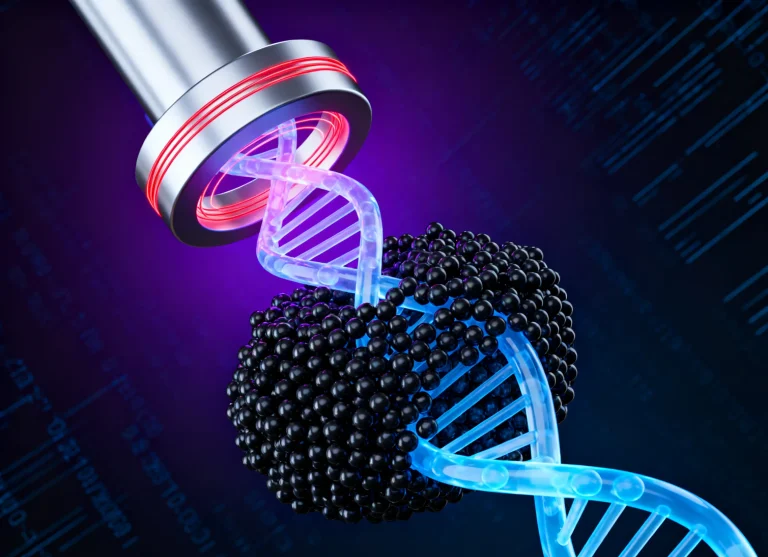
Tangkapan Sasaran Pintar: -Kumpulan berfungsi NH₂ mengunci dengan tepat pada Zn²⁺/Ni²⁺ melalui ikatan koordinasi.
Data Prestasi Makmal
| Parameter | Kaedah Kapur Tradisional | Resin Ion | Manik Magnet Amino |
| Kapasiti Penjerapan | 80 mg/g | 150 mg/g | 320 mg/g |
| pH berfungsi | 10-11 | 4-6 | 6-9 |
| Masa Reaksi | 120 min | 90 min | 15 min |
| Kadar Pengurangan Enapcemar | – | 30% | 70%-90% |
2. Cara Penggunaan?
Langkah 1: Dos (Terus ke dalam Tangki Reaksi Sedia Ada)
Pengiraan Dos: Berat manik = Jumlah zink/nikel dalam air kumbahan × (3.5~5)
Contoh: Zn²⁺ = 50 mg/L, Dalam²⁺ = 20 mg/L → Dos setiap tan air = (50+20) × 3.5 = 245 g
Operasi: Taburkan terus ke dalam tangki tindak balas sedia ada dan kacau 15 minit (menggunakan peralatan kacau sedia ada).
Langkah 2: Perpisahan (Pilihan Fleksibel)
Pilihan A (Disyorkan): Tangkap dengan magnet biasa (rod magnet tersuai).
Pilihan B: Pemendapan semula jadi dalam tangki pengendapan (ketumpatan tinggi, 3x kelajuan mendap lebih cepat daripada enap cemar tradisional).
Pilihan C: Tangkap melalui sistem penapisan sedia ada (saiz zarah seragam, risiko rendah penapisan tersumbat).
Langkah 3: Penjanaan semula (Penggunaan Semula Di Tapak)
Eluent: 5% larutan asid sulfurik (dicairkan daripada asid sulfurik perindustrian komersial).
Operasi: Rendam manik yang terkumpul dalam asid untuk 10 minit, bilas dengan air, dan guna semula.
Kitaran Guna Semula: ≥10 kitaran (data yang diuji, pengekalan kapasiti >85%).
3. Faedah Ekonomi
- Pengurangan Kos Komprehensif: Berbanding kaedah tradisional, kos keseluruhan berkurangan sebanyak ~15% (mempertimbangkan penjimatan bahan kimia, pengurangan pelupusan enap cemar, dan hasil pemulihan logam).
- Tiada Kos Pengubahsuaian: Pelaburan sifar dalam peralatan baharu atau aset tetap.
- Tiada Pemberhentian Pengeluaran: Tidak perlu menghentikan pengeluaran untuk pengubahsuaian.
- Kebolehskalaan: Laraskan dos berdasarkan isipadu air untuk mengendalikan turun naik kapasiti.
4. Mengapa Manik Magnetik Amino Kami Lebih Baik?
Tapak Pengikat yang Banyak: Ketumpatan amino yang tinggi meningkatkan pengikatan dengan ion Zn²⁺/Ni²⁺.
Kebolehulangan Cemerlang: Variasi kumpulan ke kumpulan yang minimum memastikan kestabilan proses.
Sifat Magnet yang Kuat: Superparamagnetic untuk pemisahan magnet yang cepat, meningkatkan kecekapan dengan ketara.
Penyebaran Unggul, Penggantungan semula, dan Kestabilan: Meningkatkan kecekapan dan kemudahan operasi.
Jangka Panjang: Dikemas vakum, mengekalkan aktiviti untuk 2 tahun pada suhu bilik.
Keserasian Tinggi: Berfungsi merentasi pH 5-10 dan suhu 5-80°C.
Sokongan Teknikal: Jurutera menyediakan panduan di tapak untuk dos optimum.
Manik magnet diubah suai amino kami boleh didapati dalam pelbagai saiz, kekuatan magnet, dan kandungan amino. Consult us to select the best fit for your needs!
Let magnetic technology help you effortlessly tackle environmental challenges and achieve a win-win for both economic and environmental benefits!
Pembekal
Shanghai Lingjun Biotechnology Co., Ltd.ditubuhkan pada 2016 yang merupakan pengilang profesional bahan biomagnet dan reagen pengekstrakan asid nukleik.
Kami mempunyai pengalaman yang kaya dalam pengekstrakan dan penulenan asid nukleik, penulenan protein, pemisahan sel, chemiluminescence, dan bidang teknikal yang lain.
Produk kami digunakan secara meluas dalam pelbagai bidang, seperti ujian perubatan, ujian genetik, penyelidikan universiti, pembiakan genetik, dan seterusnya. Kami bukan sahaja menyediakan produk tetapi juga boleh menjalankan OEM, ODM, dan keperluan lain. Jika anda mempunyai keperluan yang berkaitan, sila hubungi kami .