


المهنية في صناعة الخرز المغناطيسي الحيوي


أدوات استخراج الحمض النووي القائمة على الخرز المغناطيسي في إعداد مكتبة NGS
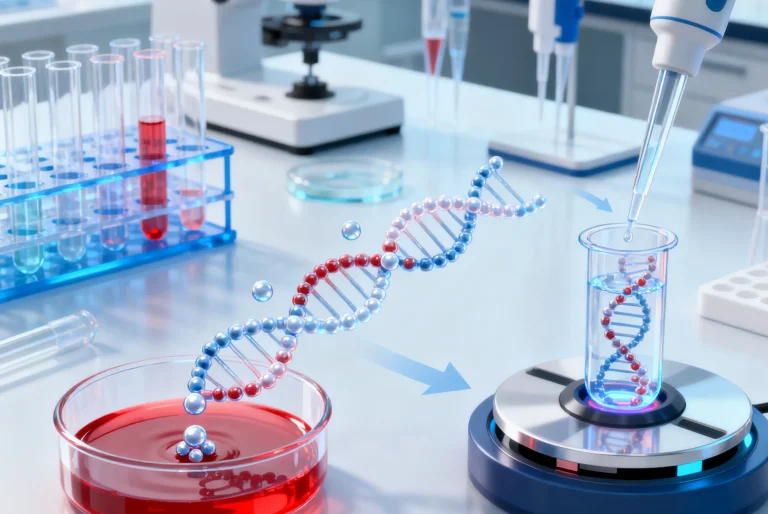
تلعب أدوات استخراج الحمض النووي القائمة على الخرز المغناطيسي دورًا حاسمًا ولا غنى عنه تقريبًا في تسلسل الجيل التالي (خ ع) سير عمل إعداد المكتبة. كنقطة انطلاق لعملية NGS بأكملها, ويحدد أدائها بشكل مباشر جودة بناء المكتبة اللاحقة وبيانات التسلسل.
فيما يلي التطبيقات والمزايا الأساسية لأدوات استخلاص الحمض النووي القائمة على الخرز المغناطيسي في إعداد مكتبة NGS:
المهمة الأساسية: عزل وتنقية الأحماض النووية عالية الجودة
عينات البداية المتنوعة: يبدأ الإعداد لمكتبة NGS بمجموعة واسعة للغاية من أنواع العينات, بما في ذلك الدم, بلازما (الحمض النووي الخالي من الخلايا), اللعاب, منديل (طازج/FFPE), الخلايا, الكائنات الحية الدقيقة, النباتات, والعينات البيئية. طرق الخرز المغناطيسي, بسبب مرونتها وقابليتها للتحسين, يمكن التعامل مع هذه العينات المعقدة, والتي غالباً ما تحتوي على كميات كبيرة من المثبطات.
أنواع الأحماض النووية المستهدفة: يستخدم في المقام الأول لاستخراج الحمض النووي (الحمض النووي الجينومي, الجدنا; الحمض النووي الخالي من الخلايا, cfDNA) أو الحمض النووي الريبي (لـ RNA-Seq). مجموعات وظيفية مغلفة على سطح الخرزة المغناطيسية (عادة مجموعات السيلانول أو مجموعات التبادل الأيوني المحددة/روابط التقارب) ربط الأحماض النووية بشكل انتقائي تحت ظروف عازلة محددة.
إزالة النجاسة: يزيل البروتينات بكفاءة, الدهون, الكربوهيدرات, أيونات الملح, المنظفات, الأحماض الدبالية (العينات البيئية), المثبتات والأصباغ (عينات FFPE), ومثبطات PCR (على سبيل المثال, الهيبارين, الهيم, الأحماض الدبالية) من العينات. هذه الشوائب يمكن أن تتداخل بشدة مع التفاعلات الأنزيمية اللاحقة (على سبيل المثال, التجزئة, إصلاح النهاية, دا المخلفات, ربط المحول, تضخيم PCR), مما يؤدي إلى فشل الإعدادية للمكتبة, انخفاض الكفاءة, أو ضعف جودة البيانات التسلسلية.
الأدوار الرئيسية في سير العمل الإعدادي لمكتبة NGS
توفير النقي “المواد الخام” لإعداد المكتبة: خطوات إعداد المكتبة (التجزئة, إصلاح نهاية/dA-المخلفات, ربط المحول, تضخيم PCR) تتطلب جميعها أحماضًا نووية عالية النقاء ذات سلامة مناسبة وتركيزًا كافيًا كمدخلات. استخراج الخرزة المغناطيسية هو الخطوة الحاسمة لضمان التأهل “مادة خام.”
ضمان تمثيل المكتبة والتوحيد: يعد الاسترداد الفعال والموحد للحمض النووي أمرًا حيويًا للحفاظ على النسبة الحقيقية لجزيئات الحمض النووي في العينة الأصلية, خاصة عند دراسة المتغيرات ذات التردد المنخفض, ميتاجينوميات, أو النسخ. يساعد معدل الاسترداد المرتفع واتساق طرق الخرز المغناطيسي في تقليل التحيز.
تحسين معدل نجاح وكفاءة إعداد المكتبة: عن طريق إزالة المثبطات, الإنزيمات باهظة الثمن المستخدمة في إعداد المكتبة (على سبيل المثال, البوليميرات, الأربطة) يمكن أن تعمل بشكل أكثر فعالية, تقليل خطر تعطيل الإنزيم أو التفاعلات غير الكاملة, وبالتالي زيادة إنتاجية وجودة المكتبة.
تلبية متطلبات العينات ذات المدخلات المنخفضة: للثمينة, عينات منخفضة الكمية مثل cfDNA, عينات تسلسل الخلية الواحدة, أو خزعات الإبرة, طرق حبة مغناطيسية, بسبب كفاءتها العالية في الربط ومعدل الاسترداد (خاصة مع المجموعات المحسنة), يمكن الحصول على ما يكفي من الأحماض النووية لإعداد المكتبة من الحد الأدنى من المواد الأولية.
التعامل مع العينات الصعبة: توجد مجموعات وبروتوكولات حبة مغناطيسية محسنة خصيصًا للعينات الصعبة مثل FFPE (تحتوي على الحمض النووي المترابط والمجزأ, بالإضافة إلى مستويات عالية من المثبتات/الأصباغ), عينات التربة / البيئة (تحتوي على مثبطات معقدة), وعينات نباتية غنية بالسكاريد/البوليفينول, تمكين تحلل الخلايا/الأنسجة بشكل فعال وتنقية الأحماض النووية القابلة للاستخدام.
المزايا الأساسية لأدوات استخلاص الحمض النووي ذات الخرز المغناطيسي (لماذا هم مفضلون لـ NGS)
الأتمتة & إنتاجية عالية:
الميزة الأساسية: يمكن للأدوات معالجة عينات متعددة في وقت واحد (من عدد قليل إلى 96/384 لوحات جيدة), تمكين العمليات الموحدة. وهذا أمر بالغ الأهمية لمشاريع NGS التي تتطلب كميات كبيرة من العينات (على سبيل المثال, الدراسات السكانية, الاختبارات السريرية), زيادة الإنتاجية والكفاءة بشكل ملحوظ.
تقليل الخطأ البشري: تعمل الأتمتة على تقليل مخاطر التباين والتلوث الناتجة عن المعالجة اليدوية, تحسين اتساق النتائج وإمكانية تكرار نتائج.
عملية بسيطة وسريعة: بالمقارنة مع طرق الفينول كلوروفورم التقليدية أو طرق عمود الدوران, تتضمن طرق الخرز المغناطيسي في الأدوات الآلية خطوات أقل (تحلل ربط غسل أزل), تقديم سير عمل أبسط, وتقليل وقت الاستخراج بشكل كبير (عادة 30-60 دقائق لكل دفعة).
درجة نقاء عالية وإنتاجية: تعمل كيمياء سطح الخرزة المغناطيسية المحسنة وأنظمة العازلة على تمكين الكفاءة, ربط وغسل حمض نووي محدد, إزالة الشوائب بشكل فعال للحصول على درجة نقاء عالية, الأحماض النووية عالية التركيز التي تلبي متطلبات جودة المدخلات الصارمة لشركة NGS (على سبيل المثال, A260/A280, نسب A260/A230, تركيز, توزيع حجم القطعة).
المرونة: عن طريق تبديل الخرز والأطقم المغناطيسية المختلفة, يمكن للأداة نفسها التكيف مع أنواع العينات المختلفة (دم, منديل, الخلايا, FFPE, الميكروبات, إلخ.) وأنواع الأحماض النووية (الحمض النووي, الحمض النووي الريبي, إجمالي الحمض النووي), ويمكنه أيضًا دمج خطوات هضم DNase.
النظام المغلق & انخفاض مخاطر التلوث: تتعامل الأدوات الآلية عادةً مع السوائل في بيئة مغلقة أو شبه مغلقة نسبيًا. جنبا إلى جنب مع التقاط حبة مغناطيسية (لا توجد أعمدة أو طرد مركزي متكرر/أغطية مفتوحة), وهذا يقلل بشكل كبير من خطر التلوث المتبادل بين العينات وتلوث الهباء الجوي.
قابلية التوسع: أدوات ذات قدرات إنتاجية مختلفة (على سبيل المثال, 8, 16, 32, 96 الآبار) يمكن اختيارها بناءً على احتياجات المختبر.
أمان: يتجنب استخدام المذيبات العضوية السامة مثل الفينول كلوروفورم, مما يجعلها أكثر أمانًا وصديقة للبيئة.
التكامل السهل: يمكن لمحطات العمل الآلية الحديثة دمج استخراج الحمض النووي بالخرز المغناطيسي مع خطوات إعداد المكتبة اللاحقة (على سبيل المثال, التجزئة, العلاجات الأنزيمية, طهارة) وحتى القياس الكمي, تمكين مؤتمتة بالكامل “عينة في, خارج المكتبة” سير العمل.
أمثلة على سيناريو التطبيق
تسلسل الجينوم الكامل (WGS): استخراج gDNA عالي الجودة من الدم, اللعاب, أو الأنسجة.
تسلسل إكسوم كامل (ويس): يتطلب أيضًا gDNA عالي الجودة كمواد أولية.
التسلسل المستهدف: استخلاص الأحماض النووية من عينات مختلفة لتسلسل مناطق جينية محددة.
تسلسل الحمض النووي الريبي (RNA-Seq): استخراج الحمض النووي الريبي (RNA) أو الرنا المرسال (mRNA) عالي الجودة لتحليل النسخ.
التسلسل الميتاجينومي: استخراج الحمض النووي الكلي للمجتمع الميكروبي من العينات البيئية (تربة, ماء, محتويات القناة الهضمية) أو العينات السريرية (مسحات الجهاز التنفسي).
الحمض النووي الخالي من الخلايا (cfDNA) التسلسل: استخراج cfDNA من البلازما أو المصل لإجراء اختبارات ما قبل الولادة غير الغازية (NIPT) أو خزعة سائلة للسرطان.
تسلسل خلية واحدة: استخراج كميات دقيقة من الحمض النووي الجينومي أو الحمض النووي الريبي (RNA) من الخلايا المفردة المتحللة.
FFPE عينة التسلسل: استخراج الحمض النووي المجزأ من الأنسجة المضمنة بالبرافين والتي تحتوي على الفورمالين للدراسات بأثر رجعي أو التشخيص السريري.
اعتبارات الاختيار والاستخدام
مطابقة المجموعة: يجب تحديد مجموعات الخرز المغناطيسي المُحسّنة لنوع العينة المحدد ونوع الحمض النووي.
أداء الصك: النظر في إنتاجية الأداة, كفاءة امتصاص المغناطيس, دقة التعامل مع السوائل, التحكم في التلوث المتبادل, وقت التشغيل, إلخ.
جودة الخرزة: توحيد حجم الخرزة, القوة المغناطيسية, استقرار طلاء السطح, والقدرة على ربط الحمض النووي أمر بالغ الأهمية.
كفاءة التحلل: للعينات المعقدة (على سبيل المثال, منديل, البكتيريا إيجابية الجرام, جراثيم), يعد التحلل الفعال شرطًا أساسيًا للاستخراج الناجح وقد يتطلب ظروف تحلل محسنة أو وحدات تحلل خاصة.
حجم الشطف: تساعد أحجام الشطف الأصغر على تحقيق تركيزات عالية من الحمض النووي ولكنها تتطلب ضمان الذوبان الكامل دون خسارة.
مثبطات المتبقية: حتى مع طرق الخرز المغناطيسي, قد تبقى مثبطات التتبع في عينات معينة (على سبيل المثال, براز, تربة, FFPE), تتطلب المزيد من الحذر أو التخفيف في خطوات PCR اللاحقة للمكتبة.
ملخص:
أدوات استخراج الحمض النووي القائمة على الخرز المغناطيسي, مع الأتمتة الخاصة بهم, إنتاجية عالية, سرعة, كفاءة, درجة نقاء عالية, بساطة التشغيل, أمان, والمرونة, أصبحت تقنية تنقية الحمض النووي السائدة في سير عمل إعداد مكتبة NGS. أنها توفر النقي, موثوق, والحمض النووي الموحد “مادة خام” ضروري لبناء مكتبة NGS عالية الجودة, بمثابة حجر الزاوية لسير عمل NGS الناجح وبيانات التسلسل الموثوقة. سواء للبحث الأساسي أو التشخيص السريري, يعد استخراج الحمض النووي ذو الخرز المغناطيسي الآلي خطوة أساسية لا غنى عنها.
مزود
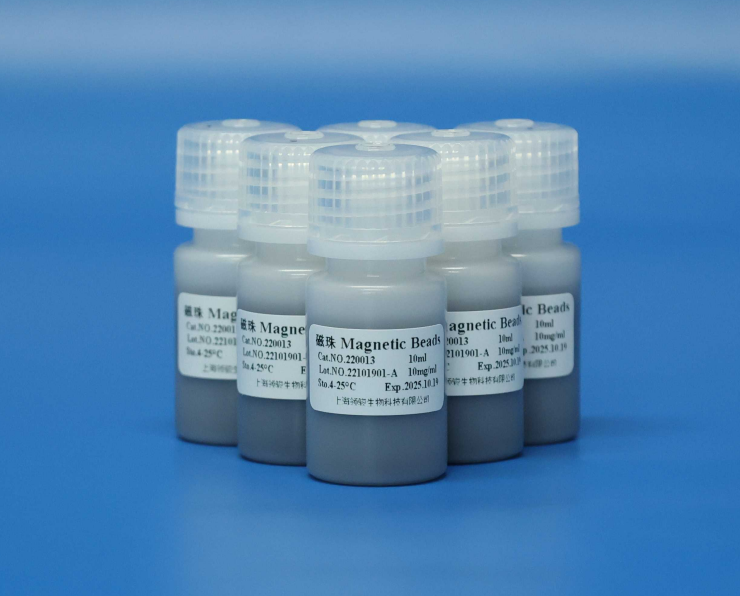
شركة شنغهاي لينغجون للتكنولوجيا الحيوية, المحدودة.تأسست في 2016 وهي شركة متخصصة في تصنيع المواد المغناطيسية الحيوية وكواشف استخلاص الحمض النووي.
لدينا خبرة غنية في استخراج وتنقية الحمض النووي, تنقية البروتين, فصل الخلايا, التألق الكيميائي, وغيرها من المجالات التقنية.
منتجاتنا تستخدم على نطاق واسع في العديد من المجالات, مثل الفحوصات الطبية, الاختبارات الجينية, البحوث الجامعية, التكاثر الوراثي, وهكذا. نحن لا نقدم المنتجات فحسب، بل يمكننا أيضًا إجراء تصنيع المعدات الأصلية, أوديإم, وغيرها من الاحتياجات. إذا كان لديك حاجة ذات صلة, لا تتردد في الاتصال بنا .


-e1781494122699-768x594.webp)