Fabricante profissional de esferas biomagnéticas


Instrumentos de extração de ácido nucleico baseados em esferas magnéticas na preparação da biblioteca NGS
Os instrumentos de extração de ácidos nucleicos baseados em esferas magnéticas desempenham um papel crítico e quase indispensável no sequenciamento da próxima geração (NGS) fluxo de trabalho de preparação de biblioteca. Como ponto de partida de todo o processo NGS, seu desempenho determina diretamente a qualidade da construção subsequente da biblioteca e do sequenciamento de dados.
Abaixo estão as principais aplicações e vantagens dos instrumentos de extração de ácido nucleico baseados em esferas magnéticas na preparação da biblioteca NGS:
Tarefa Principal: Isolamento e purificação de ácidos nucléicos de alta qualidade
Diversas amostras iniciais: A preparação da biblioteca NGS começa com uma variedade extremamente ampla de tipos de amostras, incluindo sangue, plasma (DNA sem células), saliva, tecido (fresco/FFPE), células, microorganismos, plantas, e amostras ambientais. Métodos de contas magnéticas, devido à sua flexibilidade e otimizabilidade, pode lidar com essas amostras complexas, que muitas vezes contêm quantidades significativas de inibidores.
Tipos de ácidos nucleicos alvo: Usado principalmente para extrair DNA (ADN genómico, gDNA; DNA sem células, cfDNA) ou ARN (para RNA-Seq). Grupos funcionais revestidos na superfície do cordão magnético (normalmente grupos silanol ou grupos específicos de troca iônica/ligantes de afinidade) ligam-se seletivamente a ácidos nucleicos sob condições tampão específicas.
Remoção de impurezas: Remove proteínas com eficiência, lipídios, carboidratos, íons de sal, detergentes, ácidos húmicos (amostras ambientais), fixadores e corantes (Amostras FFPE), e inibidores de PCR (por exemplo, heparina, heme, ácidos húmicos) de amostras. Essas impurezas podem interferir gravemente nas reações enzimáticas subsequentes. (por exemplo, fragmentação, reparo final, cauda dA, ligadura adaptadora, Amplificação por PCR), levando à falha na preparação da biblioteca, eficiência reduzida, ou baixa qualidade dos dados de sequenciamento.
Funções principais no fluxo de trabalho de preparação da biblioteca NGS
Fornecendo Puro “Matéria-prima” para preparação de biblioteca: Etapas de preparação da biblioteca (fragmentação, reparo final/rejeição dA, ligadura adaptadora, Amplificação por PCR) todos requerem ácidos nucleicos de alta pureza, com integridade adequada e concentração suficiente como entrada. A extração do cordão magnético é a etapa crítica para garantir “matéria-prima.”
Garantindo a representatividade e uniformidade da biblioteca: A recuperação eficiente e uniforme de ácidos nucleicos é vital para manter a verdadeira proporção de moléculas de ácidos nucleicos na amostra original, especialmente ao estudar variantes de baixa frequência, metagenômica, ou transcriptômica. A alta taxa de recuperação e a consistência dos métodos de esferas magnéticas ajudam a minimizar o viés.
Melhorando a taxa de sucesso e a eficiência da preparação da biblioteca: Ao remover inibidores, as enzimas caras usadas na preparação da biblioteca (por exemplo, polimerases, ligases) pode funcionar de forma mais eficaz, reduzindo o risco de inativação enzimática ou reações incompletas, aumentando assim o rendimento e a qualidade da biblioteca.
Atendendo aos requisitos de amostra de baixa entrada: Para precioso, amostras de baixa quantidade como cfDNA, amostras de sequenciamento unicelular, ou biópsias por agulha, métodos de contas magnéticas, devido à sua alta eficiência de ligação e taxa de recuperação (especialmente com kits otimizados), pode obter ácidos nucleicos suficientes para preparação de biblioteca a partir de material inicial mínimo.
Lidando com amostras desafiadoras: Existem kits e protocolos de esferas magnéticas especialmente otimizados para amostras desafiadoras como FFPE (contendo DNA reticulado e fragmentado, além de altos níveis de fixadores/corantes), amostras de solo/ambiente (contendo inibidores complexos), e amostras de plantas ricas em polissacarídeos/polifenóis, permitindo a lise eficaz de células/tecidos e a purificação de ácidos nucleicos utilizáveis.
Principais vantagens dos instrumentos de extração de ácido nucleico de esferas magnéticas (Por que eles são preferidos para NGS)
Automação & Alto rendimento:
Vantagem Central: Os instrumentos podem processar múltiplas amostras simultaneamente (de algumas placas de 96/384 poços), permitindo operações padronizadas. Isto é crucial para projetos NGS que exigem grandes volumes de amostras (por exemplo, estudos populacionais, testes clínicos), aumentando significativamente o rendimento e a eficiência.
Erro humano reduzido: A automação minimiza a variabilidade e os riscos de contaminação do manuseio manual, melhorando a consistência e a reprodutibilidade dos resultados.
Operação simples e rápida: Comparado aos métodos tradicionais de fenol-clorofórmio ou coluna giratória, métodos de esferas magnéticas em instrumentos automatizados envolvem menos etapas (lise-ligar-lavar-eluir), oferecer um fluxo de trabalho mais simples, e reduzir drasticamente o tempo de extração (tipicamente 30-60 minutos por lote).
Alta Pureza e Rendimento: A química otimizada da superfície do cordão magnético e os sistemas tampão permitem eficiência, ligação e lavagem específica de ácido nucleico, efetivamente removendo impurezas para obter alta pureza, ácidos nucleicos de alta concentração que atendem aos rigorosos requisitos de qualidade de insumos da NGS (por exemplo, A260/A280, Proporções A260/A230, concentração, distribuição de tamanho de fragmento).
Flexibilidade: Trocando diferentes esferas magnéticas e kits, o mesmo instrumento pode se adaptar a vários tipos de amostras (sangue, tecido, células, FFPE, micróbios, etc.) e tipos de ácidos nucleicos (ADN, ARN, ácido nucleico total), e pode até integrar etapas de digestão de DNase.
Sistema Fechado & Baixo risco de contaminação: Instrumentos automatizados normalmente manuseiam líquidos em um ambiente relativamente fechado ou semifechado. Combinado com captura de esfera magnética (sem colunas ou centrifugação repetida/tampas abertas), isso reduz significativamente o risco de contaminação cruzada entre amostras e contaminação por aerossol.
Escalabilidade: Instrumentos com diferentes capacidades de rendimento (por exemplo, 8, 16, 32, 96 poços) pode ser selecionado com base nas necessidades do laboratório.
Segurança: Evita o uso de solventes orgânicos tóxicos como fenol-clorofórmio, tornando-o mais seguro e mais ecológico.
Fácil Integração: Estações de trabalho automatizadas modernas podem integrar a extração de ácido nucleico de esferas magnéticas com etapas subsequentes de preparação de biblioteca (por exemplo, fragmentação, tratamentos enzimáticos, purificação) e até quantificação, permitindo totalmente automatizado “amostra, saída da biblioteca” fluxos de trabalho.
Exemplos de cenários de aplicação
Sequenciamento completo do genoma (WGS): Extração de gDNA de alta qualidade do sangue, saliva, ou tecido.
Sequenciamento completo do exoma (WES): Também requer gDNA de alta qualidade como material de partida.
Sequenciamento direcionado: Extração de ácidos nucléicos de diversas amostras para sequenciamento de regiões genéticas específicas.
Sequenciamento de RNA (RNA-Seq): Extração de RNA total ou mRNA de alta qualidade para análise do transcriptoma.
Sequenciamento Metagenômico: Extração de DNA total da comunidade microbiana de amostras ambientais (solo, água, conteúdo intestinal) ou amostras clínicas (esfregaços respiratórios).
DNA livre de células (cfDNA) Sequenciamento: Extração de vestígios de cfDNA de plasma ou soro para testes pré-natais não invasivos (NIPT) ou biópsia líquida para câncer.
Sequenciamento Unicelular: Extração de pequenas quantidades de DNA genômico ou RNA de células individuais lisadas.
Sequenciamento de amostras FFPE: Extração de DNA fragmentado de tecidos fixados em formalina e embebidos em parafina para estudos retrospectivos ou diagnósticos clínicos.
Considerações sobre seleção e uso
Combinação de kits: Deve selecionar kits de esferas magnéticas otimizados para o tipo específico de amostra e tipo de ácido nucleico.
Desempenho do instrumento: Considere o rendimento do instrumento, eficiência de adsorção magnética, precisão no manuseio de líquidos, controle de contaminação cruzada, tempo de execução, etc..
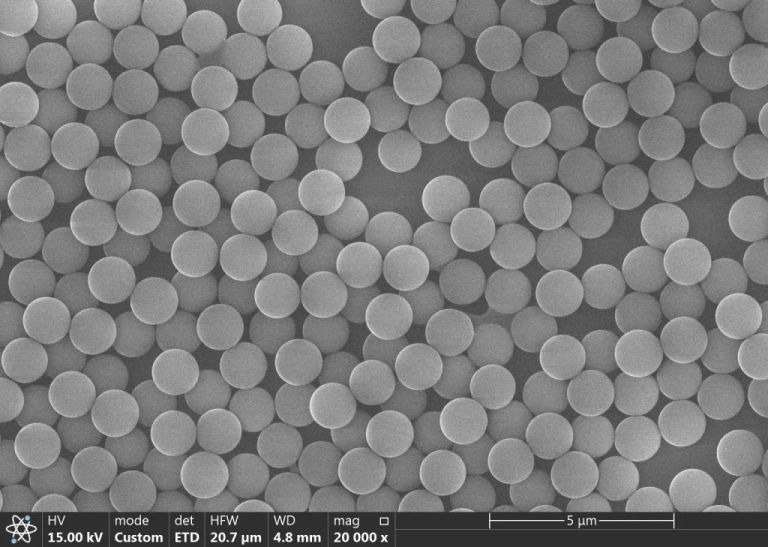
Qualidade do cordão: Uniformidade do tamanho do cordão, força magnética, estabilidade do revestimento superficial, e a capacidade de ligação ao ácido nucleico são cruciais.
Eficiência de Lise: Para amostras complexas (por exemplo, tecido, Bactérias Gram-positivas, esporos), a lise eficiente é um pré-requisito para uma extração bem-sucedida e pode exigir condições de lise otimizadas ou módulos de lise especiais.
Volume de eluição: Volumes de eluição menores ajudam a atingir altas concentrações de ácido nucleico, mas exigem a garantia de dissolução completa sem perda.
Inibidores Residuais: Mesmo com métodos de contas magnéticas, vestígios de inibidores podem permanecer em certas amostras (por exemplo, banco, solo, FFPE), exigindo cuidado extra ou diluição nas etapas subsequentes de PCR da biblioteca.
Resumo:
Instrumentos de extração de ácido nucleico baseados em esferas magnéticas, com sua automação, alto rendimento, velocidade, eficiência, alta pureza, simplicidade de operação, segurança, e flexibilidade, tornaram-se a tecnologia de purificação de ácido nucleico predominante nos fluxos de trabalho de preparação de bibliotecas NGS. Eles fornecem o puro, confiável, e ácido nucleico uniforme “matéria-prima” essencial para a construção de bibliotecas NGS de alta qualidade, servindo como base para fluxos de trabalho NGS bem-sucedidos e dados de sequenciamento confiáveis. Seja para pesquisa básica ou diagnóstico clínico, a extração automatizada de ácido nucleico de esferas magnéticas é uma etapa fundamental indispensável.
Fornecedor
Xangai Lingjun Biotecnologia Co., Ltda.foi estabelecido em 2016 que é um fabricante profissional de materiais biomagnéticos e reagentes de extração de ácido nucleico.
Temos vasta experiência em extração e purificação de ácidos nucleicos, purificação de proteínas, separação celular, quimioluminescência, e outras áreas técnicas.
Nossos produtos são amplamente utilizados em muitos campos, como exames médicos, testes genéticos, pesquisa universitária, melhoramento genético, e assim por diante. Nós não apenas fornecemos produtos, mas também podemos realizar OEM, ODM, e outras necessidades. Se você tiver uma necessidade relacionada, não hesite em contactar-nos .