المهنية في صناعة الخرز المغناطيسي الحيوي


لماذا يستخدم المزيد والمزيد من معلمي الجامعات طريقة الخرز المغناطيسي بدلاً من الطريقة التقليدية?
في السنوات الأخيرة, تكنولوجيا استخراج الحمض النووي القائم على الخرز المغناطيسي وقد انتشر بسرعة في الجامعات والمؤسسات البحثية, استبدال تدريجي للطرق التقليدية لاستخراج الفينول كلوروفورم وطرق عمود الطرد المركزي. ويعزى ذلك بشكل رئيسي إلى كفاءتها العالية, إمكانية الأتمتة, أمان, والقدرة على التكيف مع العينات المعقدة. فيما يلي التحليل المحدد للأسباب:
1. سهل التشغيل ومتوافق مع الأتمتة عالية الإنتاجية
نقاط الألم في الطرق التقليدية
طريقة الفينول كلوروفورم: يتطلب العديد من أجهزة الطرد المركزي وفصل الطور, مرهقة للعمل وعرضة للتلوث.
طريقة عمود الطرد المركزي: أنها تنطوي على العديد من الخطوات اليدوية (مثل التحلل, تمرير العمود, غسل, إلخ.) ولها إنتاجية منخفضة.
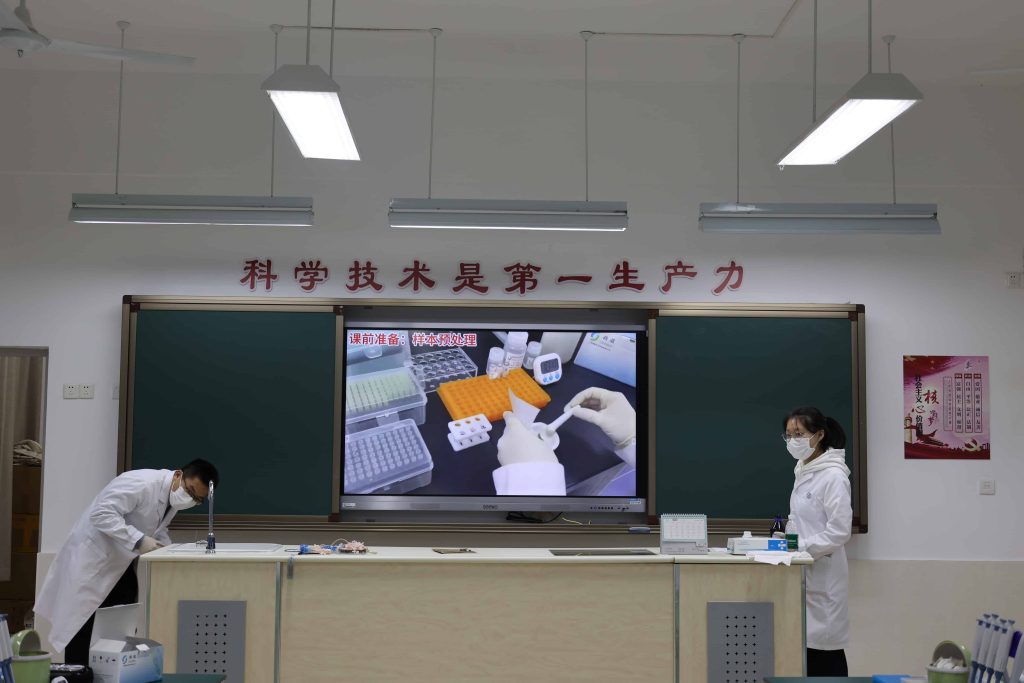
مميزات طريقة الخرزة المغناطيسية
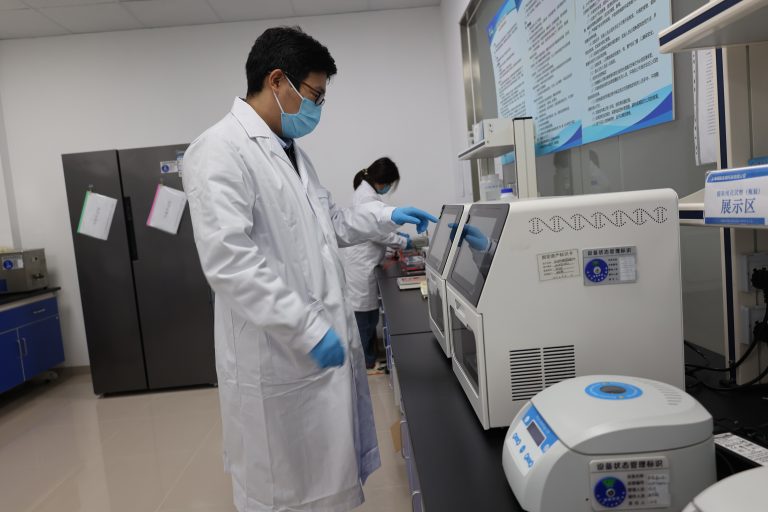
بعد أن ترتبط الخرزات المغناطيسية بالأحماض النووية, يمكن فصلها بسرعة من خلال المجال المغناطيسي (دون الحاجة إلى الطرد المركزي) ويتم دمجها مباشرة في منصة آلية مكونة من 96 لوحة, وهي مناسبة لمعالجة العينات على نطاق واسع (مثل الفحص الوبائي وأبحاث omics).
قضية: خلال جائحة كوفيد-19, أصبحت طريقة الخرزة المغناطيسية هي الخيار المفضل لاختبار الحمض النووي عالي الإنتاجية.
2. ارتفاع كفاءة الاستخراج والنقاء
خصوصية ملزمة قوية
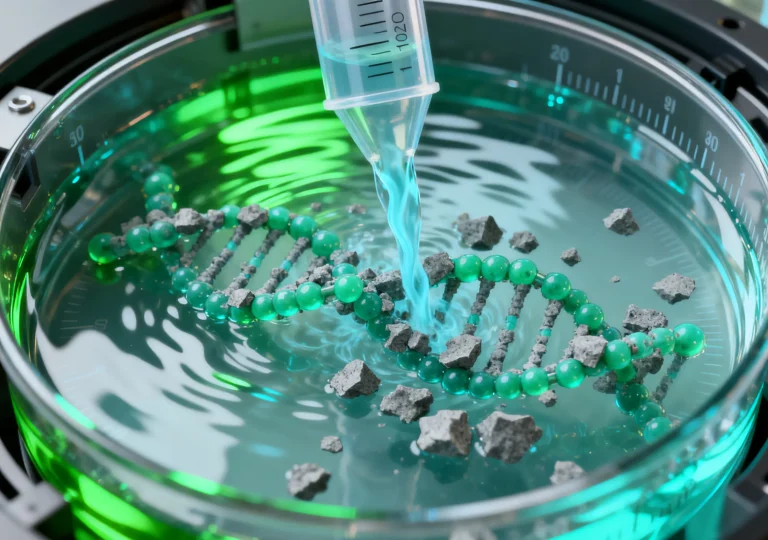
تعمل الخرزات المغناطيسية القائمة على السيليكون على امتصاص الأحماض النووية بشكل انتقائي في ظل ظروف عالية الملح, الحد من تلوث البروتين والسكريات (طريقة الفينول كلوروفورم التقليدية عرضة للمذيبات العضوية المتبقية, وطريقة عمود الطرد المركزي عرضة للانسداد).
ارتفاع معدل الاسترداد
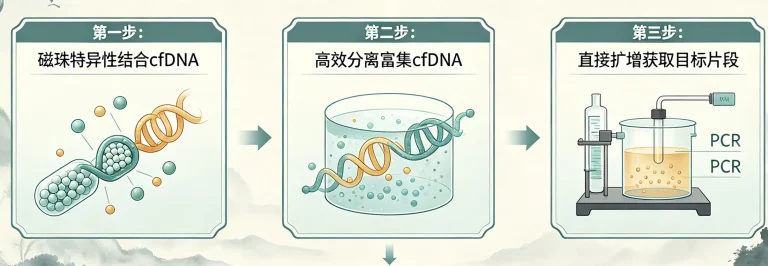
الخرز المغناطيسي له مساحة سطحية كبيرة, كما أن كفاءتها في التقاط أجزاء الحمض النووي الريبي النووي/الحمض النووي الريبوزي (DNA) الصغيرة والعينات منخفضة التركيز تتفوق على أعمدة الطرد المركزي. (على سبيل المثال, يتم زيادة معدل الاسترداد لاستخراج cfDNA بنسبة 20% ل 30%).
دعم البيانات
تشير الأدبيات إلى أن نسبة A260 / A230 من الحمض النووي الريبي (RNA) النباتي المستخرج بطريقة الخرز المغناطيسي أكبر بشكل عام من 2.0, بينما الطريقة التقليدية غالباً ما تؤدي إلى نسبة أقل من 1.5 بسبب بقايا السكريات.
3. إمكانية تطبيق عينة أوسع
القدرة على معالجة العينات المعقدة
يمكن تكييف طريقة الخرزة المغناطيسية مع العينات التي يصعب استخراجها مثل الأنسجة النباتية, البراز, تربة, وأقسام FFPE عن طريق ضبط الحل العازل (مثل إضافة CTAB أو PVPP), في حين أن طريقة عمود الطرد المركزي عرضة للانسداد.
الاستجابة بمرونة لتتبع العينات
يمكن أن ترتبط الخرزات المغناطيسية بكميات ضئيلة من الأحماض النووية (مثل الحمض النووي على مستوى Pg في تسلسل الخلية المفردة), لكن معدل الخسارة بالطرق التقليدية مرتفع.
4. مزايا السلامة وحماية البيئة
تجنب الكواشف السامة
لا تتطلب طريقة الخرز المغناطيسي مواد مسرطنة مثل الفينول والكلوروفورم, الحد من المخاطر الصحية للعاملين في المختبرات.
تقليل النفايات البلاستيكية
تستهلك طريقة عمود الطرد المركزي كمية كبيرة من المواد الاستهلاكية البلاستيكية, بينما يمكن لطريقة الخرز المغناطيسي إعادة استخدام الخرز المغناطيسي (على سبيل المثال, يمكن إعادة تدوير بعض النماذج 35 مرات), وهو أكثر صديقة للبيئة.
5. تحسين نسبة التكلفة إلى الفائدة
التكلفة الأولية العالية, أكثر اقتصادا على المدى الطويل
على الرغم من أن سعر الوحدة لكواشف الخرز المغناطيسي مرتفع, يمكن للأتمتة أن تقلل من تكاليف العمالة وهي مناسبة بشكل خاص للمشاريع واسعة النطاق.
قضية الجامعة: وجدت مقارنة المختبر أنه عند المعالجة 1,000 عينات, التكلفة الإجمالية لطريقة الخرزة المغناطيسية كانت 15% ل 20% أقل من طريقة عمود الطرد المركزي.
تسريع الاستبدال المحلي
الخرز المغناطيسي المنزلي (مثل نانوميكرو وبوروي) لديها أداء قريب من العلامات التجارية المستوردة, لكن أسعارها فقط 1/3 ل 1/2, مما يعزز تعميمها.
6. تكامل التكنولوجيا والتطبيقات المتطورة
تكنولوجيا التشخيص الجزيئي المتوافقة
يمكن استخدام الأحماض النووية المستخرجة بطريقة الخرزة المغناطيسية مباشرة في qPCR, كشف NGS وCRISPR دون تنقية إضافية.
الطلب في المجالات الناشئة
تسلسل خلية واحدة, خزعة سائلة (ctDNA), وغيرها من الطرق التي تتطلب أحماض نووية عالية النقاء, طريقة الخرزة المغناطيسية هي الاختيار السائد.
منطق اختيار الجامعات/ المؤسسات البحثية
1. تعتمد على الكفاءة: تكلفة العمالة لطلاب الدراسات العليا مرتفعة, والأتمتة تحرر العمالة.
2. متطلبات جودة البيانات: يتطلب التسلسل عالي الإنتاجية والأساليب الأخرى أحماضًا نووية عالية النقاء, وطريقة الخرزة المغناطيسية أكثر موثوقية.
3. السلامة والامتثال: البيئة والصحة والسلامة (الصحة والسلامة البيئية) أصبحت الإدارة في الكليات والجامعات أكثر صرامة, ويجري التخلص التدريجي من الكواشف الفينولية.
الاتجاهات المستقبلية
تعديل سطح الخرز المغناطيسي متنوع: مثل الخرز المغناطيسي المعدل EPCAM المناسب لاستخراج الإكسوسوم.
التكامل ميكروفلويديك: الجمع بين طريقة الخرز المغناطيسي وتقنية Lab-on-a-chip التي يمكن تحقيقها “عينة في, النتيجة”.
طريقة الخرزة المغناطيسية, مع خصائصه “أمان, الكفاءة والمرونة”, أصبح الخيار السائد لاستخراج الحمض النووي. خاصة في سياق الطلب على العينات المعقدة والإنتاجية العالية في سيناريوهات البحث العلمي, فلا مفر من استبدال الأساليب التقليدية.
مزود
شركة شنغهاي لينغجون للتكنولوجيا الحيوية, المحدودة.تأسست في 2016 وهي شركة متخصصة في تصنيع المواد المغناطيسية الحيوية وكواشف استخلاص الحمض النووي.
لدينا خبرة غنية في استخراج وتنقية الحمض النووي, تنقية البروتين, فصل الخلايا, التألق الكيميائي, وغيرها من المجالات التقنية.
منتجاتنا تستخدم على نطاق واسع في العديد من المجالات, مثل الفحوصات الطبية, الاختبارات الجينية, البحوث الجامعية, التكاثر الوراثي, وهكذا. نحن لا نقدم المنتجات فحسب، بل يمكننا أيضًا إجراء تصنيع المعدات الأصلية, أوديإم, وغيرها من الاحتياجات. إذا كان لديك حاجة ذات صلة, لا تتردد في الاتصال بنا .