
문의 양식

왜 점점 더 많은 대학 교사들이 전통적인 방법 대신 자기 비드 방법을 사용하고 있습니까??

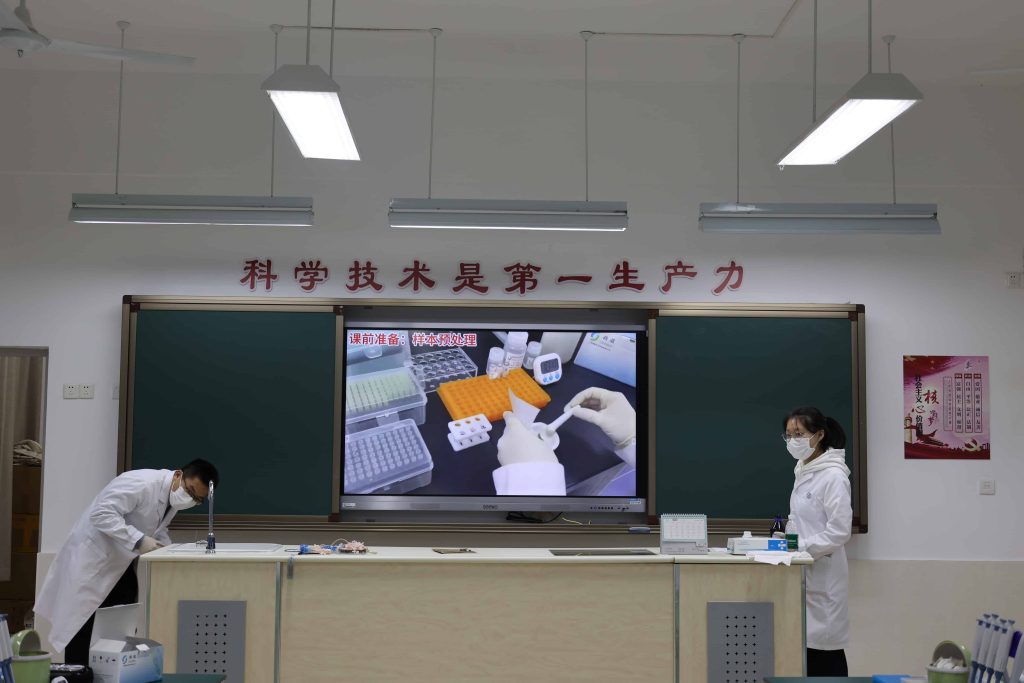
최근에는, magnetic bead-based nucleic acid extraction technology has been rapidly popularized in universities and research institutions, gradually replacing the traditional phenol-chloroform extraction and centrifugal column methods. This is mainly attributed to its high efficiency, potential for automation, safety, and adaptability to complex samples. The following is the specific analysis of the reasons:

1. Easy to operate and compatible with high-throughput automation

Pain points of traditional methods

Phenol-chloroform method: It requires multiple centrifugations and phase separations, is cumbersome to operate and prone to contamination.

원심 컬럼 방식: It involves many manual steps (such as lysis, column passing, washing, 등.) and has a low throughput.

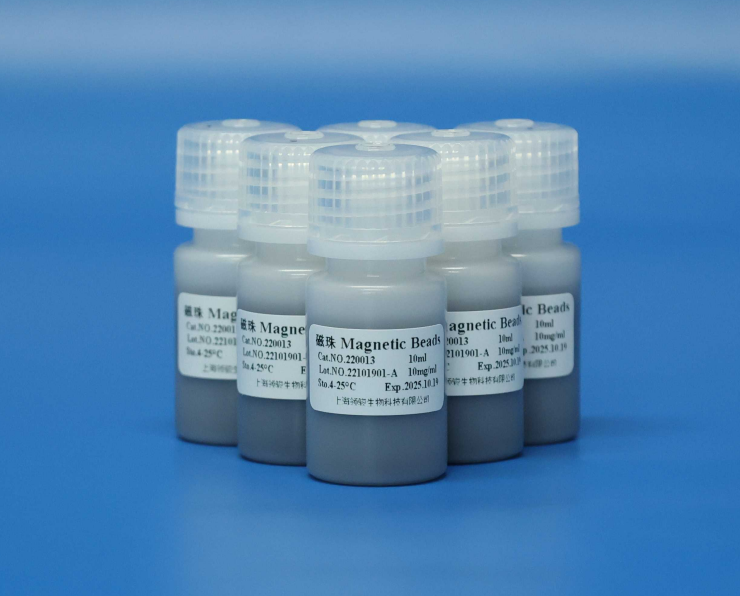
Advantages of the magnetic bead method

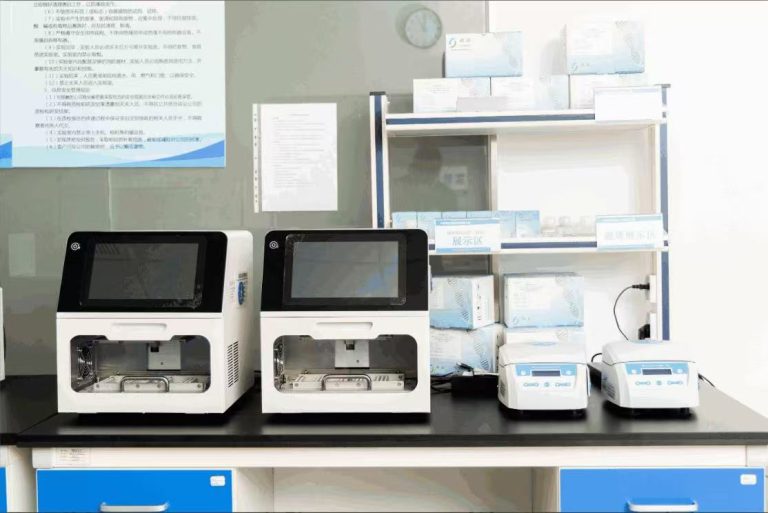
After the magnetic beads bind to nucleic acids, they can be rapidly separated through a magnetic field (without the need for centrifugation) and directly integrated into a 96-well plate automated platform, which is suitable for large-scale sample processing (such as epidemiological screening and omics research).

사례: During the COVID-19 pandemic, the magnetic bead method became the preferred choice for high-throughput nucleic acid testing.

2. Higher extraction efficiency and purity

Strong binding specificity

Silicon-based magnetic beads selectively adsorb nucleic acids under high-salt conditions, reducing protein and polysaccharide contamination (the traditional phenol-chloroform method is prone to residual organic solvents, and the centrifugal column method is prone to clogging).

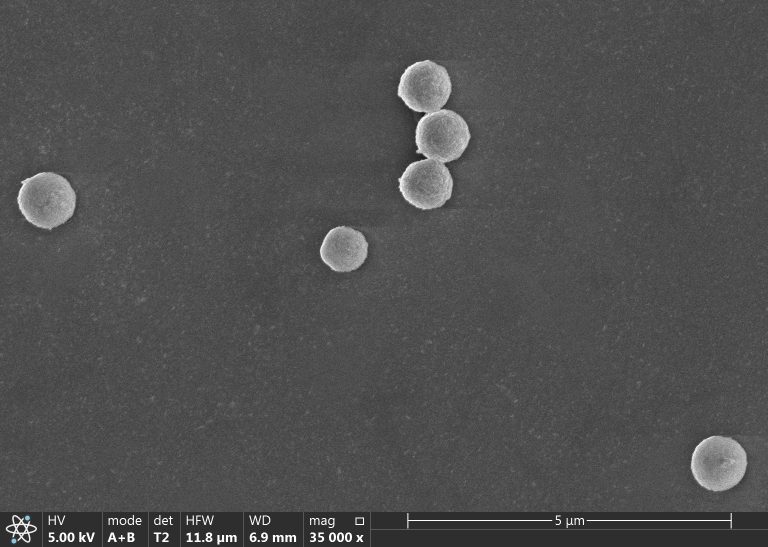
High recovery rate

Magnetic beads have a large surface area, and their capture efficiency for small DNA/RNA fragments and low-concentration samples is superior to that of centrifugal columns (for example, the recovery rate of cfDNA extraction is increased by 20% 에게 30%).

Data support

Literature reports that the A260/A230 ratio of plant RNA extracted by magnetic bead method is generally greater than 2.0, while the traditional method often leads to a ratio of less than 1.5 due to polysaccharide residue.

3. Wider sample applicability

Complex sample processing capability

The magnetic bead method can be adapted to difficult-to-extract samples such as plant tissues, feces, 토양, and FFPE sections by adjusting the buffer solution (such as adding CTAB or PVPP), while the centrifugal column method is prone to clogging.

Flexibly respond to trace samples

Magnetic beads can bind to trace amounts of nucleic acids (such as Pg-level DNA in single-cell sequencing), but the loss rate of traditional methods is high.

4. Safety and environmental protection advantages

Avoid toxic reagents

The magnetic bead method does not require carcinogens such as phenol and chloroform, reducing the health risks to laboratory personnel.

Reduce plastic waste

The centrifugal column method consumes a large amount of plastic consumables, while the magnetic bead method can reuse magnetic beads (for example, some models can be recycled 35 times), which is more environmentally friendly.

5. Optimization of cost-benefit ratio

High initial cost, more economical in the long term

Although the unit price of magnetic bead reagents is high, automation can reduce labor costs and is especially suitable for large-scale projects.

University case: A laboratory’s comparison found that when processing 1,000 samples, the total cost of the magnetic bead method was 15% 에게 20% lower than that of the centrifugal column method.

Acceleration of domestic substitution

Domestic magnetic beads (such as Nanomicro and Borui) have performance close to imported brands, but their prices are only 1/3 에게 1/2, which promotes their popularization.

6. Technology Integration and cutting-edge applications

Compatible molecular diagnostic technology

The nucleic acids extracted by the magnetic bead method can be directly used for qPCR, NGS and CRISPR detection without additional purification.

Demand in emerging fields

Single-cell sequencing, liquid biopsy (ctDNA), and other methods that require high-purity nucleic acids, the magnetic bead method is the mainstream choice.

The selection logic of universities/research institutions

1. Efficiency-driven: The labor cost for postgraduate students is high, and automation liberates labor.

2. Data quality requirements: High-throughput sequencing and other methods require high-purity nucleic acids, and the magnetic bead method is more reliable.

3. Safety and Compliance: EHS (Environmental Health and Safety) management in colleges and universities is becoming stricter, and phenolic reagents are being phased out.

Future trends

The surface modification of magnetic beads is diverse: such as EPCAM-modified magnetic beads suitable for exosome extraction.

Microfluidic integration: The combination of magnetic bead method and Lab-on-a-chip to achievesample in, result out”.

마그네틱 비드 방식, with its characteristics ofsafety, efficiency and flexibility”, has become the mainstream choice for nucleic acid extraction. Especially in the context of the demand for complex samples and high throughput in scientific research scenarios, it is inevitable to replace traditional methods.

공급자

상하이 링쥔 생명공학 유한회사, 주식회사에 설립되었습니다 2016 생체자성재료 및 핵산추출시약 전문제조업체입니다..

핵산 추출 및 정제 분야에서 풍부한 경험을 보유하고 있습니다., 단백질 정제, 세포 분리, 화학발광, 및 기타 기술 분야.

우리의 제품은 많은 분야에서 널리 사용됩니다., 의료 테스트와 같은, 유전자 검사, 대학 연구, 유전자 육종, 등. 우리는 제품을 제공할 뿐만 아니라 OEM도 수행할 수 있습니다., ODM, 그리고 다른 필요. 관련된 필요사항이 있는 경우, 저희에게 연락하게 자유롭게 느끼십시오 .
뉴스레터 업데이트

아래에 이메일 주소를 입력하고 뉴스레터를 구독하세요