Monaróir Gairmiúil Coirníní Bithmhaighnéadacha


An tábhacht a bhaineann le íonú táirge PCR
Seasann PCR do Imoibriú Slabhra Polymerase, teicníocht bhitheolaíocht mhóilíneach a úsáidtear chun sonraíocht a mhéadú blúirí DNA. Go ginearálta ní féidir táirgí PCR a úsáid go díreach le haghaidh turgnaimh iartheachtacha agus ní mór iad a íonú ar dtús chun éifeachtacht agus cruinneas na gcéimeanna turgnamhacha ina dhiaidh sin a chinntiú. Go sonrach, tá roinnt cúiseanna leis seo:
1.Deireadh a chur le primers breise agus dNTPanna
Le linn an phróisis PCR, go hiondúil cuirtear barrachas de primers agus dNTPanna leis chun a chinntiú go leanann an t-imoibriú ar aghaidh go hiomlán. Mar sin féin, tar éis an PCR a bheith críochnaithe, na comhpháirteanna neamh-imoibrithe seo, má tá sé i láthair sa táirge deiridh, is féidir cur isteach ar iarratais ina dhiaidh sin. Mar shampla, is féidir le ró-primers comharthaí neamhshonracha a chur faoi deara le linn seicheamhaithe, agus is féidir le dNTPanna iarmharacha tionchar a imirt ar ghníomhaíocht einsímí in iarratais mar chlónáil nó srianadh díleá einsímí.
2.Deireadh a chur le neamhíonachtaí agus seachtháirgí
Chomh maith leis na primers agus dNTPs atá luaite thuas, féadfaidh eisíontais eile a bheith sa chóras imoibrithe PCR freisin, cosúil le hiain mhaignéisiam agus comhpháirteanna maolánacha. Thairis sin, is féidir táirgí aimpliúcháin neamhshonracha nó dimers primer a tháirgeadh uaireanta. Ní hamháin go méadaíonn na substaintí seo torann cúlra, a dhéanann difear do shoiléireacht an spriocbhanda, ach is féidir leo freisin bac a chur ar ghníomhaíocht eochair-einsímí ar nós endonucleases srianta nó ligáis i dturgnaimh iartheachtacha.
3.Méadú ar thiúchan na blúire sprice
Tríd an bpróiseas íonú, is féidir comhpháirteanna nach dteastaíonn a bhaint go héifeachtach, ar an gcaoi sin méadú ar chomhréir na sprice blúire DNA i gcomparáid le comhpháirteanna eile. Tá sé seo tábhachtach go háirithe do thurgnaimh atá ag brath ar theimpléid ard-íonachta, cosúil le seicheamhú Sanger agus anailís ar léiriú géine. Ciallaíonn íonacht níos airde cáilíocht sonraí níos fearr agus torthaí turgnamhacha níos iontaofa.
4.Comhpháirteanna íogaire a chosaint in iarratais iartheachtacha
Go leor teicnící bitheolaíochta mhóilíneach, go háirithe iad siúd a bhaineann le frithghníomhartha einsímeacha, cosúil le díleá einsím srian, ligation, nó claochlú cealla baictéarach, an-íogair d'ábhar salaithe. Féadfaidh polaiméaráis DNA gníomhach agus coscairí féideartha eile a bheith i dtáirgí PCR neamhíonaithe a d'fhéadfadh cur isteach ar na frithghníomhartha íogaire bithcheimiceacha seo.
5. Torann cúlra a laghdú
Nuair a úsáidtear leictreafóiréis glóthach agarose chun táirgí PCR a bhrath, is féidir le híonú cabhrú le torann cúlra a laghdú, an spriocbhanna a dhéanamh níos soiléire agus níos sofheicthe. Tá sé seo ríthábhachtach chun rath PCR a dhearbhú agus chun a shainiúlacht a mheasúnú.
Is céim thábhachtach é íonú táirgí PCR chun dul chun cinn rianúil na dturgnaimh ina dhiaidh sin a chinntiú. Ní hamháin go bhfeabhsaíonn sé coinníollacha turgnamhacha ach feabhsaíonn sé cáilíocht agus iontaofacht na dtorthaí turgnamhacha freisin. Dá bhrí sin, i bhformhór na gcásanna, go háirithe sula ndéantar pleanáil ar tháirgí PCR a úsáid le haghaidh tuilleadh taighde, íonú cuí an-riachtanach.
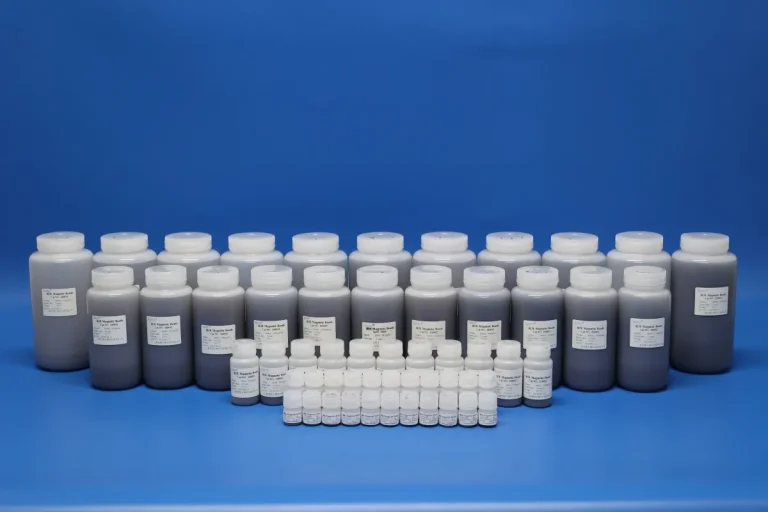
coirnín maighnéadach-seachnaíonn feisteáin íonúcháin táirgí PCR bhunaithe úsáid ceimiceán tocsaineach amhail eastóscadh feanóil/clóraform ar mhodhanna traidisiúnta. Tá an próiseas íonú sách simplí agus tapa, go hiondúil críochnaithe laistigh de 20 nóiméad, gan gá le lártheifneoirí nó trealamh eile, agus tá sé oiriúnach le haghaidh ardáin uathoibrithe. Uimh coscairí a chuireann isteach ar fhrithghníomhartha ina dhiaidh sin mar díleá einsím srianta nó ligation sa trealamh, agus úsáideadh iad go forleathan i dtaighde nua-aimseartha bitheolaíocht mhóilíneach.
Soláthraí
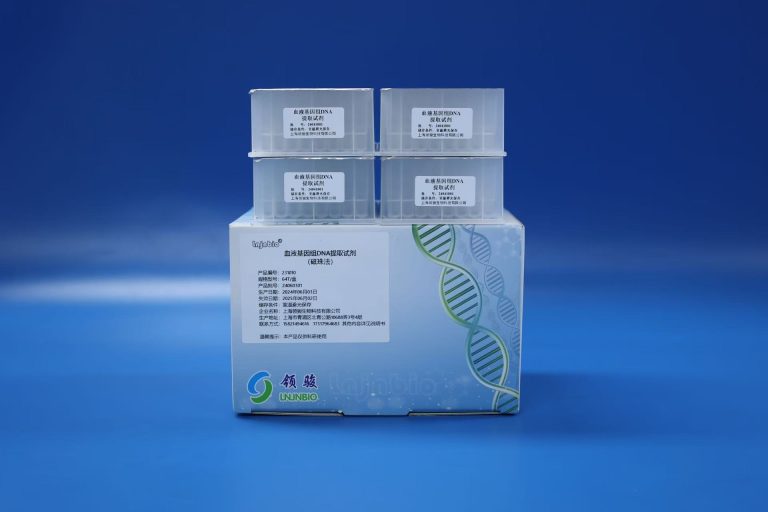
Shanghai Lingjun Biteicneolaíocht Co., Teo.bunaíodh i 2016 atá ina mhonaróir gairmiúil d'ábhair bithmhaighnéadacha agus imoibrithe eastóscadh aigéid núicléacha.
Tá taithí shaibhir againn in eastóscadh agus íonú aigéad núicléasach, íonú próitéine, scaradh cille, chemiluminescence agus réimsí teicniúla eile.
Úsáidtear ár gcuid táirgí go forleathan i go leor réimsí, mar thástáil leighis, tástáil ghéiniteach, taighde ollscoile, pórú géiniteach, agus mar sin de. Ní chuirimid ar fáil ach táirgí ach freisin is féidir tabhairt faoi OEM, ODM, agus riachtanais eile.Má tá riachtanas gaolmhar agat, bíodh leisce ort teagmháil a dhéanamh linn agdíolacháin01@lingjunbio.com.