Professionelle Hiersteller vu biomagnetesche Perlen


Uwendung a Perspektiven vu magnetesche Bead-baséiert Methoden an der Genomescher DNA Extraktioun aus Polysaccharid- a Polyphenol-räich Planzen
Virwuert
Haut, we will delve into the application and prospects of magnetic bead-based methods in genomic DNA extraction from polysaccharide- an polyphenol-räich Planzen. Dëst ass e ganz populär awer Erausfuerderung Feld, and the emergence of magnetic bead technology has significantly improved DNA extraction from such “difficult” plant samples.
1. Challenges of Traditional Methods
Polysaccharide- an polyphenol-räich Planzen (z.B., Téi Blieder, Äerdbier, tomatoes, poplar trees, and walnuts) have long posed difficulties in molecular biology research. The main challenges include:
- Polysaccharides: Co-precipitate with DNA, forming viscous gel-like substances that inhibit downstream reactions such as enzymatic digestion, PCR, an sequencing.
- Polyphenols: Easily oxidized into quinones during extraction, which irreversibly bind to DNA, turning it into brown degraded material and severely affecting DNA purity and quality.
- Secondary Metabolites: Other secondary metabolites also inhibit downstream applications.
- Traditional CTAB Method: Although optimized over the years, it involves steps, is time-consuming, and relies heavily on toxic organic reagents (z.B., chloroform), making it inefficient for high-throughput applications and automation.
2. Specific Application Strategies of Magnetic Bead-Based Methods
To address the unique challenges of polysaccharide- an polyphenol-räich Planzen, magnetic bead-based nucleic acid extraction typically employs the following optimized strategies:
2.1 Enhanced Lysis Buffer:
High concentrations of CTAB/SDS: Ensure complete cell lysis and protein denaturation.
2.2 High concentrations of reducing agents:
β-mercaptoethanol (2%–4%) or more efficient DTT (dithiothreitol) are essential to prevent polyphenol oxidation.
Polymer additives: Polyvinylpyrrolidone (PVP) or insoluble PVP (PVPP) preferentially bind to polyphenols, forming insoluble complexes that can be removed via centrifugation, preventing interference with subsequent steps.
High salt concentrations: NaCl aids in polysaccharide removal and promotes better DNA binding to magnetic beads.
Optimized Binding Conditions:
Precisely control the pH and salt concentration of the binding buffer to create an environment favoring DNA binding over impurity binding.
2.3 Rigorous Washing:
Additional washing steps or the use of wash buffers containing ethanol and guanidine hydrochloride more thoroughly remove residual polysaccharides and salts.
2.4 Selection of Magnetic Beads:
Magnetic beads with different sizes, surface modifications, and concentrations vary in binding capacity and specificity. Selecting beads of appropriate size is crucial for handling large fragments of plant genomic DNA.
3. Application Prospects and Future Directions
The prospects for magnetic bead-based methods in DNA extraction from polysaccharide- and polyphenol-rich plants are broad,It is mainly reflected in the following aspects:
3.1 Core Driver of High-Throughput Genomics Research:
As crop breeding enters the era of genomic selection, genotyping thousands of individuals (z.B., using GBS, SSR, resequencing, SNP chip analysis) requires high-throughput automation, making magnetic bead-based methods an ideal choice for pre-processing.
3.2 Perfect Compatibility with Third-Generation Sequencing Technologies:
Long-read sequencing technologies (z.B., PacBio SMRT, Oxford Nanopore) require high-integrity, high-molecular-weight (HMW) DNA. Optimized magnetic bead-based methods effectively extract high-quality (HQ) HMW DNA, meeting the library preparation requirements for long-read sequencing and enabling the analysis of complex plant genomes.
3.3 Field-Based Rapid Detection (Point-of-Care Testen):
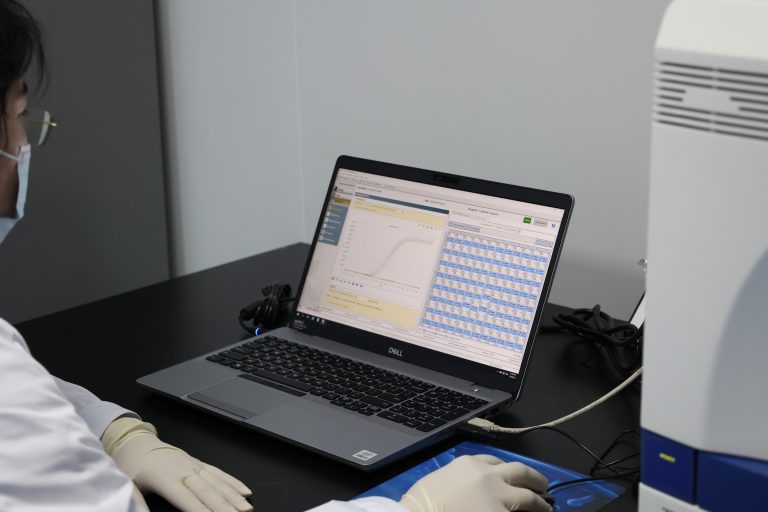
Combined with portable nucleic acid extractors and qPCR instruments, magnetic bead-based methods can be used for field-based rapid diagnosis of plant diseases (z.B., Pathogenen, Viren), on-site identification of genetically modified crops, and field genetic resource surveys of endangered or rare plants.
3.4 Standardization and Commercialization of Kits:
More commercially available magnetic bead-based kits optimized for specific plant types (z.B., rice, forest trees, medicinal herbs) will emerge, promoting methodological standardization and enhancing the comparability of results across laboratories.
4. Conclusioun
Magnetic bead-based methods, with their efficient inhibitor removal, Einfachheet, and automation compatibility, have revolutionized genomic DNA extraction from polysaccharide- an polyphenol-räich Planzen. They successfully address the bottlenecks of traditional methods and provide high-quality DNA for advanced molecular biology analyses.
With the rapid development of precision agriculture, funktionell Genomik, and synthetic biology, the demand for high-quality plant DNA will only grow. Magnetic bead-based methods are not only indispensable today but will also continue to integrate with these cutting-edge fields, driving plant science research to new heights.
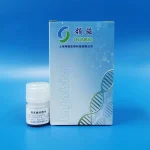
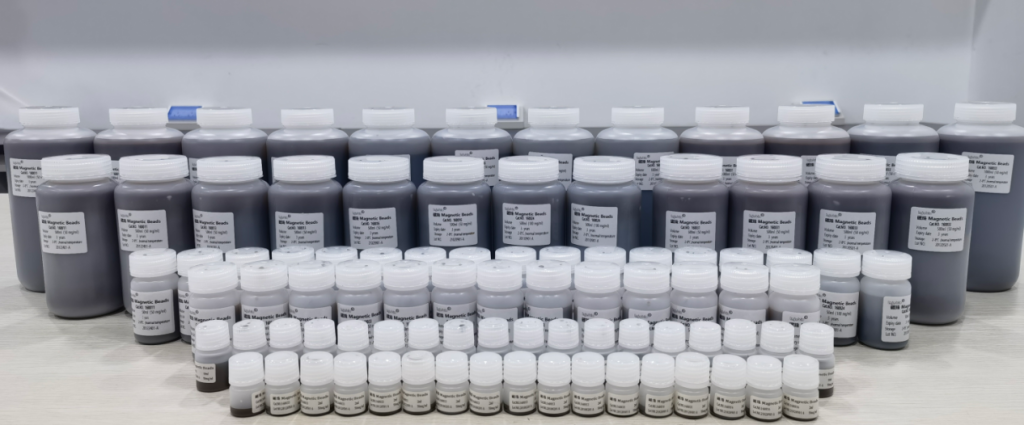
Shanghai Lingjun Biotechnology Co., Ltd., Ltd. offers magnetic beads for genomic DNA extraction from polysaccharide- an polyphenol-räich Planzen, wéi z 160014 an 160024 magnetesch Perlen. These products feature higher nucleic acid binding capacity, stronger resistance to inhibitor interference, and excellent biocompatibility, making them ideal for extracting genomic DNA from such plants.
You can choose the most suitable magnetic beads based on your experimental requirements. We are committed to providing you with the highest-quality products and efficient, reliable services. Our professional team is always available to support you. We look forward to establishing successful collaborations with you.
Fournisseur
Shanghai Lingjun Biotechnology Co., Ltd., Ltd.gouf etabléiert an 2016 deen e professionnelle Hiersteller vu biomagnetesche Materialien an Nukleinsäure Extraktiounsreagenz ass.
Mir hu räich Erfahrung an Nukleinsäure Extraktioun an Offäll, Protein Reinigung, Zell Trennung, Chemilumineszenz, an aner technesch Beräicher.
Eis Produkter gi wäit a ville Beräicher benotzt, wéi medizinesch Tester, genetesch Tester, Universitéit Fuerschung, genetesch Zucht, an esou weider. Mir bidden net nëmmen Produkter, awer och kënnen OEM ënnerhuelen, ODM, an aner Besoinen. Wann Dir e verbonne Besoin hutt, weg fillen gratis eis ze kontaktéieren .