Monaróir Gairmiúil Coirníní Bithmhaighnéadacha

Bain RNA as uisce chun rún an leachta a fháil amach
Féadfaidh gach braon uisce faisnéis bhitheolaíoch thábhachtach a cheilt sa domhan anaithnid. Le dul chun cinn na teicneolaíochta, tá eolaithe tosaithe ag fiosrú conas ábhar géiniteach a bhaint as timpeallachtaí éagsúla chun a rúin a nochtadh. Teicníc amháin den sórt sin, eastóscadh RNA ó uisce, dúshlánach agus tuar dóchais inti. San Airteagal seo, tabharfaimid tríd an bpróiseas agus a thábhacht tú.
Cén fáth a bhaint RNA as uisce?
Níl uisce ach ar cheann de na substaintí is uileláithreach ar domhan, is é an áit freisin a dtarlaíonn go leor gníomhaíochtaí saoil. Bíodh sé aigéin, aibhneacha locha, nó fiú screamhuisce, is féidir leis a bheith ina bhaile do mhiocrorgánaigh agus orgánaigh eile. Trí RNA a bhaint as na coirp uisce seo, is féidir le heolaithe láithreacht miocrorgánaigh ar leith a rianú, monatóireacht a dhéanamh ar shláinte na ndobharlach, agus fiú speicis nua a fháil amach. Ina theannta sin, i réimse an ghalair a chosc agus a rialú, is féidir an modh seo a úsáid chun pataiginí uisce-iompartha a bhrath go luath, sonraí tábhachtacha a sholáthar chun tacú le sláinte an phobail.
Dúshláin agus réitigh don phróiseas eastósctha RNA
In ainneoin a gheallta, ní tasc éasca é RNA a bhaint as uisce. Ar dtús, Go hiondúil bíonn tiúchan RNA in uisce thar a bheith íseal, a éilíonn modhanna eastósctha a bheith an-íogair. Dara, láithreacht forleathan RNase (einsím a dhíghrádaíonn RNA go tapa) sa timpeallacht uisceach tá RNA so-ghabhálach go mór i leith damáiste. Ag tabhairt aghaidh ar na dúshláin seo, tá roinnt straitéisí forbartha ag taighdeoirí:
Réamhchóireáil samplach: Is féidir le tiúchan samplaí uisce trí mhodhanna mar scagachán nó lártheifneoiriú cabhrú le feabhas a chur ar aisghabháil RNA.
Cosaint RNA: Coscairí RNase a chur le samplaí a luaithe a bhailítear iad, nó iad a reo go tapa agus a chaomhnú chun sláine RNA a uasmhéadú.
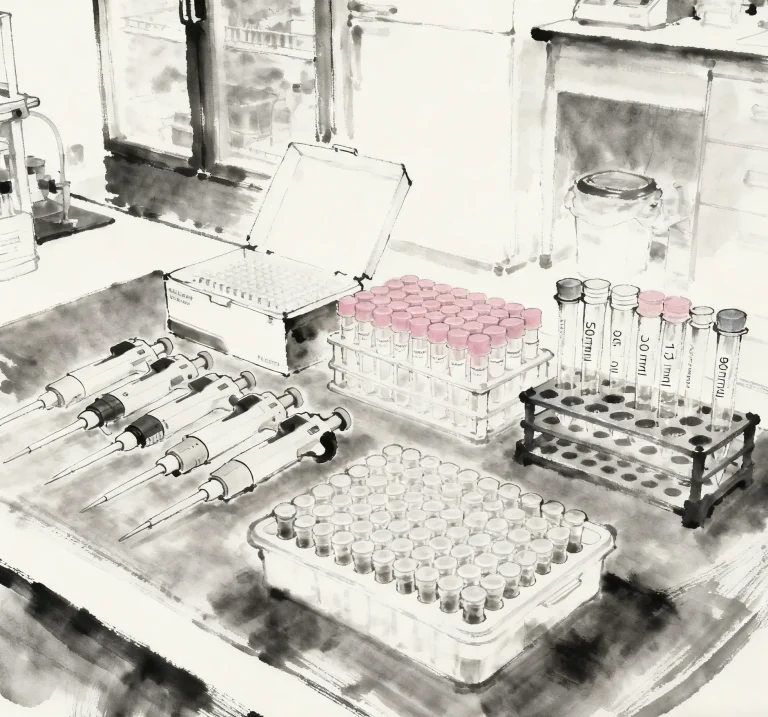
Teicneolaíocht eastóscadh ard-éifeachtúlachta: Úsáid feisteáin eastósctha RNA atá saindeartha, atá in ann ní amháin cealla a líseáil go héifeachtach chun RNA a scaoileadh ach freisin bac a chur ar ghníomhaíocht RNase go héifeachtach chun cáilíocht RNA a chinntiú.
Feidhmiú agus Ionchais na Teicneolaíochta sa Todhchaí
Le dul chun cinn leanúnach na teicneolaíochta, tá cur i bhfeidhm eastóscadh RNA as uisce ag leathnú de réir a chéile. Ní hamháin gur uirlis thábhachtach í le haghaidh taighde ar eolaíocht an chomhshaoil agus ar an éiceolaíocht ach tá luach iontach léirithe aige freisin i go leor réimsí mar chosc ar ghalair agus sábháilteacht bia.. Sa todhchaí, le teacht chun cinn teicnící eastósctha agus modhanna anailíse níos éifeachtaí agus níos áisiúla, tá cúis againn a chreidiúint go mbeidh ról níos mó ag an teicneolaíocht seo i raon níos leithne réimsí chun cabhrú leis an gcine daonna an timpeallacht nádúrtha ar a bhfuilimid ag brath a thuiscint agus a chosaint níos fearr..
Mar fhocal scoir, Is réimse idirdhisciplíneach é eastóscadh RNA as uisce a chomhcheanglaíonn an bhitheolaíocht, ceimic, agus innealtóireacht. Ní hamháin go n-osclaíonn sé fuinneog don domhan faoi uisce ach cuireann sé uirlis chumhachtach ar fáil freisin chun fadhbanna praiticiúla a réiteach. Táimid ag tnúth le fionnachtana níos spreagúla sa réimse seo!
Réamhrá Soláthraí
Shanghai Lingjun Biteicneolaíocht Co., Teo. bunaíodh i 2016 atá ina mhonaróir gairmiúil d'ábhair bithmhaighnéadacha agus imoibrithe eastóscadh aigéid núicléacha.
Tá taithí shaibhir againn in eastóscadh agus íonú aigéad núicléasach, íonú próitéine, scaradh cille, chemiluminescence agus réimsí teicniúla eile.
Úsáidtear ár gcuid táirgí go forleathan i go leor réimsí, mar thástáil leighis, tástáil ghéiniteach, taighde ollscoile, pórú géiniteach, agus mar sin de. Ní chuirimid ar fáil ach táirgí ach freisin is féidir tabhairt faoi OEM, ODM, agus riachtanais eile. Má tá riachtanais ghaolmhara agat, bíodh leisce ort teagmháil a dhéanamh linn ag díolacháin01@lingjunbio.com.