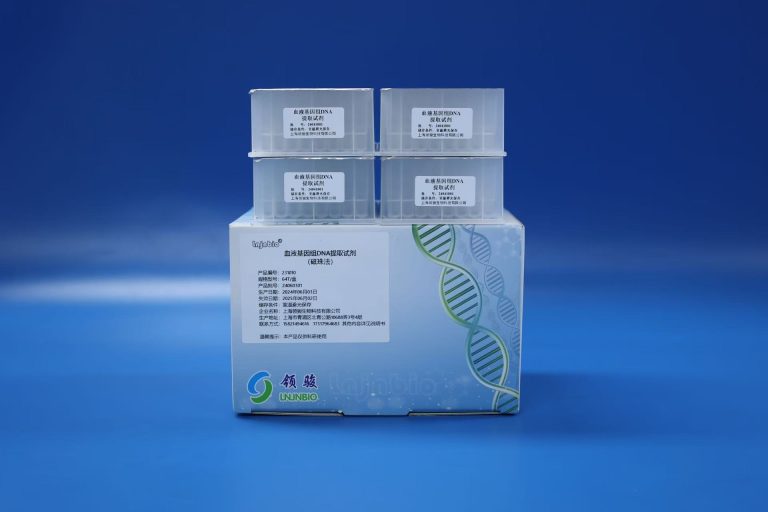
Profesjonell produsent av biomagnetiske perler


Hvordan binder biomagnetiske perler til DNA?
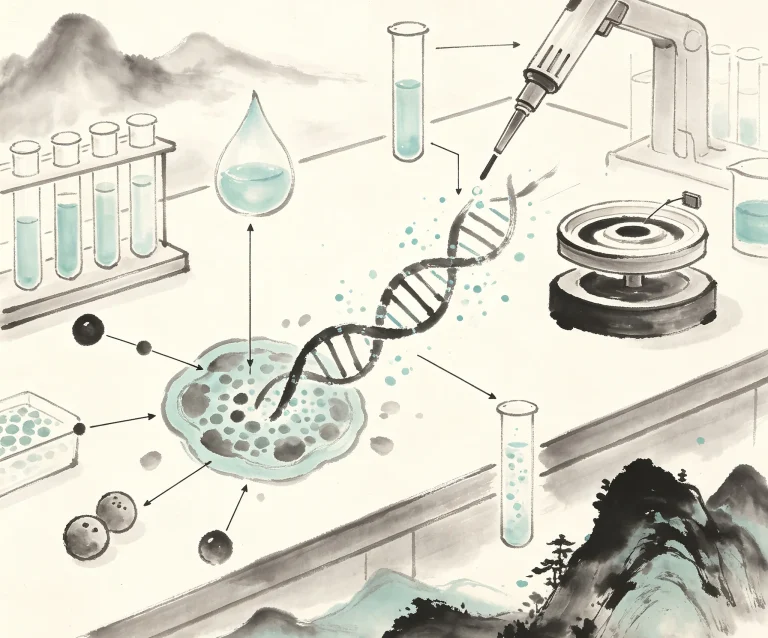
Teknologien til biomagnetiske perler binding til DNA er en uunnværlig del av moderne molekylærbiologi og bioteknologi, gi forskere en effektiv og praktisk metode for å separere, rensende, og berike spesifikke DNA-sekvenser. Det følgende er en detaljert diskusjon av hvordan biomagnetiske kuler binder seg til DNA og anvendelsen av denne teknologien på ulike felt.
1. Struktur og egenskaper til biomagnetiske perler
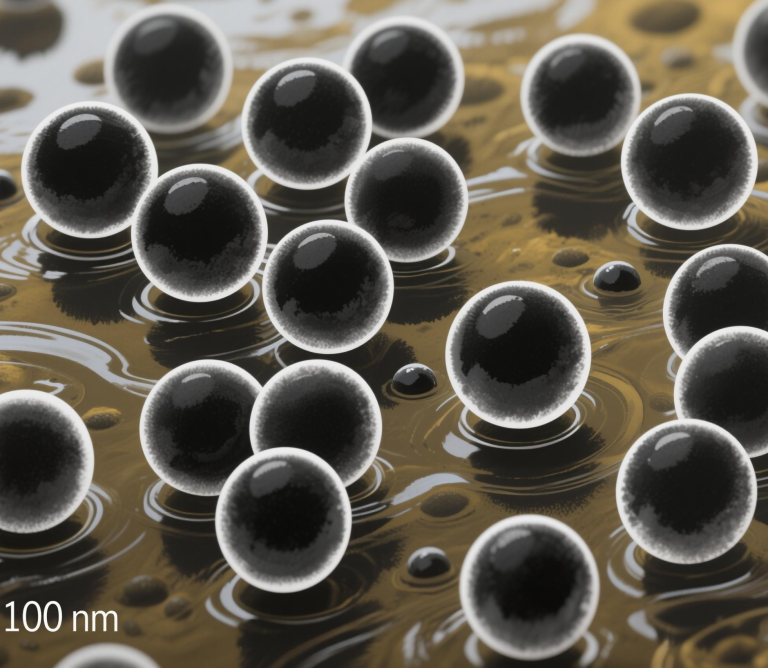
Biomagnetiske perler er vanligvis små sfæriske partikler med diametre som varierer fra titalls nanometer til flere mikrometer. De består av en magnetisk kjerne dekket av ett eller flere lag med polymerer eller andre materialer. Dette belegget gir kjemisk stabilitet til kulene. Det gir plass til overflatemodifikasjoner, gjør det mulig for kulene å bære spesifikke funksjonelle grupper eller ligander, og derved oppnå selektiv binding til målmolekyler.
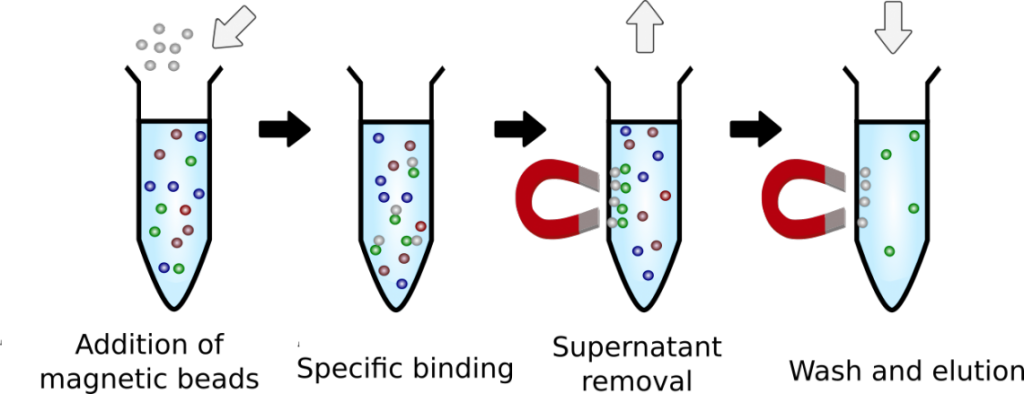
2. Hovedmekanismene for magnetiske perler som binder seg til DNA
Kovalent binding: Å danne stabile kovalente bindinger gjennom kjemiske reaksjoner er en holdbar og spesifikk bindingsmetode. For eksempel, overflaten av magnetiske perler kan inneholde epoksygrupper, som kan reagere direkte med hydroksylgrupper(-Åh) på DNA for å danne eterbindinger. Denne typen tilkobling er veldig sterk og egner seg for applikasjoner som krever opprettholdelse av en bundet tilstand over lang tid.
Ionebytte: Basert på prinsippet om elektrostatisk interaksjon, positivt ladede magnetiske kuler kan tiltrekke seg den negativt ladede fosfatryggraden i DNA gjennom elektrostatiske krefter. Denne metoden er enkel og rask, men den har en høyere grad av ikke-spesifisitet, gjør den egnet for foreløpig screening eller behandling av store prøvevolumer. For å forbedre selektiviteten, spesifikke kationiske grupper kan introduseres på overflaten av de magnetiske kulene for å forbedre fangstevnen til mål-DNA-fragmenter.
Affinitetskromatografi: Bruker svært spesifikke interaksjoner mellom biologiske molekyler, slik som antigen-antistoff, enzym-substrat, eller nukleinsyrehybridisering. For eksempel, i de ofte brukte ChIP-eksperimentene i genomforskning, antistoffer rettet mot spesifikke transkripsjonsfaktorer er fiksert på de magnetiske kulene, og deretter blir DNA-regionene bundet av disse transkripsjonsfaktorene indirekte kombinert gjennom immunutfelling. I tillegg, magnetiske kuler med komplementære oligonukleotidprober kan brukes til direkte å fange de nødvendige DNA-sekvensene.
Streptavidin-Biotin System: Dette er en av de mest brukte høysensitivitets- og spesifisitetsbindingsstrategiene. Først, DNA som skal analyseres er merket med biotin; da, de biotinmerkede DNA-molekylene fanges opp av streptavidin-modifiserte magnetiske kuler. Siden bindekraften mellom de to er ekstremt sterk, selv i komplekse eksempelbakgrunner, en høy utvinningsgrad kan garanteres.
Antistoffbinding: I tillegg til de nevnte ChIP-eksperimentene, antistoffer kan også brukes direkte til å gjenkjenne og binde visse spesifikke DNA-modifikasjoner(slik som metylering). På denne tiden, de magnetiske kulene tjener som bærere for de tilsvarende antistoffene, å oppnå selektiv anrikning av DNA-fragmenter med spesifikke epigenetiske egenskaper.
Fysisk adsorpsjon: Selv om denne metoden er uspesifikk, den har fortsatt applikasjoner i noen tilfeller. For eksempel, i noen grove DNA-ekstraksjonsprosesser, ubehandlede magnetiske perler kan ikke-spesifikt adsorbere en viss mengde DNA på grunn av deres store spesifikke overflateareal og passende overflateegenskaper. Imidlertid, denne metoden er vanligvis bare egnet for forbehandlingstrinn og er ikke egnet for presis separasjon av mål-DNA.
3. Bruksområder for biomagnetiske perler
Teknologien for biomagnetiske kuler som binder seg til DNA har blitt mye brukt i ulike vitenskapelige og teknologiske felt:
Genomikk: Inkludert hel-genomforsterkning, konstruksjon av målrettet sekvenseringsbibliotek,enkeltcellet genekspresjonsanalyse, osv.
Klinisk diagnose: Brukes til patogennukleinsyretesting, tidlig kreftscreening, gentyping i personlig medisin, osv.
Rettsmedisinsk vitenskap: Hjelper med å finne spor av DNA-bevis i åstedsprøver, støtte rettslige etterforskninger.
Miljøovervåking: Evaluering av struktur og funksjonelle endringer av mikrobielle samfunn i vann, jord, og andre miljøer.
Landbruk og matindustri: Påvisning av genmodifiserte avlingskomponenter, sikre mattrygghet, osv.
Med utviklingen av vitenskap og teknologi, effektiviteten til biomagnetiske kuler som binder seg til DNA øker også, bringe nytt, effektiv, og praktiske metoder til felt som universitetsforskning og sykdomsdiagnose. I fremtiden, vi kan se frem til magnetiske perleteknologier med bredere bruksscenarier.
Leverandør
Shanghai Lingjun Biotechnology Co., Ltd.ble etablert i 2016 som er en profesjonell produsent av biomagnetiske materialer og nukleinsyreekstraksjonsreagenser.
Vi har rik erfaring innen utvinning og rensing av nukleinsyre, proteinrensing, celleseparasjon, kjemiluminescens, og andre tekniske felt.
Våre produkter er mye brukt på mange felt, som medisinsk testing, genetisk testing, universitetsforskning, genetisk avl, og så videre. Vi leverer ikke bare produkter, men kan også påta oss OEM, ODM, og andre behov. Hvis du har et relatert behov, ta gjerne kontakt med oss .