Fabricante profissional de esferas biomagnéticas


Como as esferas biomagnéticas se ligam ao DNA?
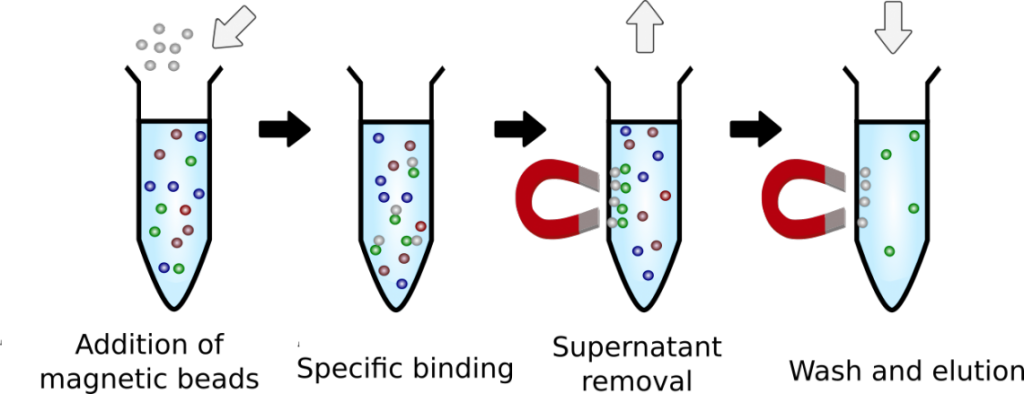
The technology of contas biomagnéticas binding to DNA is an indispensable part of modern molecular biology and biotechnology, fornecendo aos cientistas um método eficiente e conveniente para separar, purificando, and enriching specific DNA sequences. The following is a detailed discussion of how bio-magnetic beads bind to DNA and the applications of this technology in various fields.
1. Structure and Characteristics of Bio-Magnetic Beads
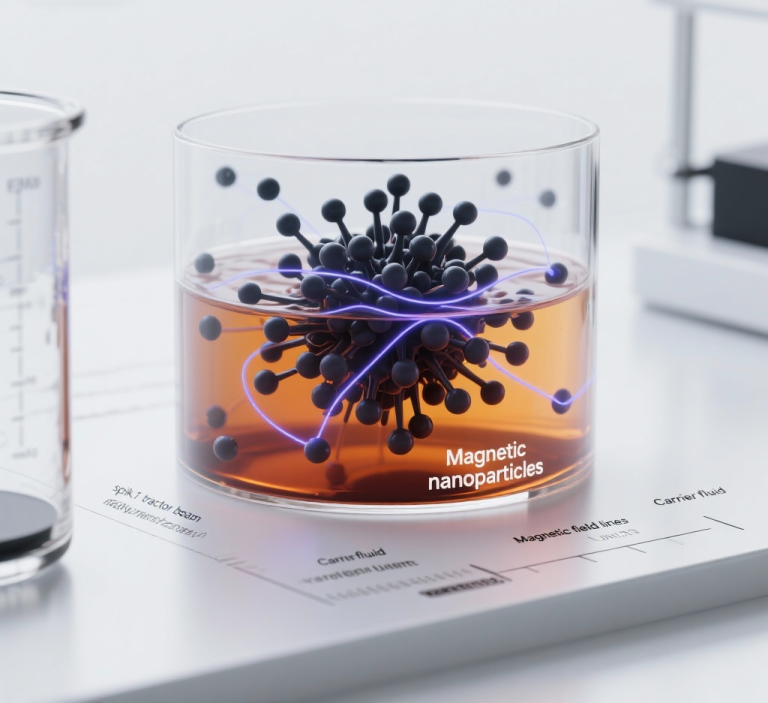
Bio-magnetic beads are usually tiny spherical particles with diameters ranging from tens of nanometers to several micrometers. They consist of a magnetic core covered by one or more layers of polymers or other materials. This coating provides chemical stability to the beads. It offers space for surface modification, enabling the beads to carry specific functional groups or ligands, thereby achieving selective binding to target molecules.
2. Main Mechanisms of Magnetic Beads Binding to DNA
Covalent Binding: Forming stable covalent bonds through chemical reactions is a durable and specific binding method. Por exemplo, the surface of magnetic beads may contain epoxy groups, which can directly react with the hydroxyl groups(-OH) on DNA to form ether bonds. This type of connection is very strong and is suitable for applications that require the maintenance of a bound state for a long time.
Ion Exchange: Based on the principle of electrostatic interaction, positively charged magnetic beads can attract the negatively charged phosphate backbone of DNA through electrostatic forces. This method is simple and fast, but it has a higher degree of non-specificity, making it suitable for preliminary screening or processing of large sample volumes. To improve selectivity, specific cationic groups can be introduced on the surface of the magnetic beads to enhance the capture ability of target DNA fragments.
Affinity Chromatography: Utilizing highly specific interactions between biological molecules, such as antigen-antibody, enzyme-substrate, or nucleic acid hybridization. Por exemplo, in the commonly used ChIP experiments in genomic research, antibodies targeting specific transcription factors are fixed on the magnetic beads, and then the DNA regions bound by these transcription factors are indirectly combined through immunoprecipitation. Adicionalmente, magnetic beads with complementary oligonucleotide probes can be used to directly capture the required DNA sequences.
Streptavidin-Biotin System: This is one of the most commonly used high-sensitivity and specificity binding strategies. Primeiro, the DNA to be analyzed is labeled with biotin; then, the biotin-labeled DNA molecules are captured by streptavidin-modified magnetic beads. Since the binding force between the two is extremely strong, even in complex sample backgrounds, a high recovery rate can be guaranteed.
Antibody Binding: In addition to the aforementioned ChIP experiments, antibodies can also be used directly to recognize and bind certain specific DNA modifications(such as methylation). Neste momento, the magnetic beads serve as carriers for the corresponding antibodies, achieving selective enrichment of DNA fragments with specific epigenetic features.
Physical Adsorption: Although this method is non-specific, it still has applications in some cases. Por exemplo, in some rough DNA extraction processes, untreated magnetic beads can non-specifically adsorb a certain amount of DNA due to their large specific surface area and appropriate surface properties. No entanto, this method is usually only suitable for pre-processing steps and is not suitable for precise separation of target DNA.
3. Application Fields of Bio-Magnetic Beads
The technology of bio-magnetic beads binding to DNA has been widely applied in various scientific and technological fields:
Genomics: Including whole-genome amplification, targeted sequencing library construction,análise de expressão gênica unicelular, etc..
Diagnóstico Clínico: Used for pathogen nucleic acid testing, rastreio precoce do cancro, gene typing in personalized medicine, etc..
Ciência Forense: Helps to find trace DNA evidence in crime scene samples, supporting judicial investigations.
Monitoramento Ambiental: Evaluating the structure and functional changes of microbial communities in water, solo, and other environments.
Agriculture and Food Industry: Detecting genetically modified crop components, garantindo a segurança alimentar, etc..
With the advancement of science and technology, the efficiency of bio-magnetic beads binding to DNA is also increasing, bringing new, eficiente, and convenient methods to fields such as university research and disease diagnosis. No futuro, we can look forward to magnetic bead technologies with broader application scenarios.
Fornecedor
Xangai Lingjun Biotecnologia Co., Ltda.foi estabelecido em 2016 que é um fabricante profissional de materiais biomagnéticos e reagentes de extração de ácido nucleico.
Temos vasta experiência em extração e purificação de ácidos nucleicos, purificação de proteínas, separação celular, quimioluminescência, e outras áreas técnicas.
Nossos produtos são amplamente utilizados em muitos campos, como exames médicos, testes genéticos, pesquisa universitária, melhoramento genético, e assim por diante. Nós não apenas fornecemos produtos, mas também podemos realizar OEM, ODM, e outras necessidades. Se você tiver uma necessidade relacionada, não hesite em contactar-nos .