Produttore professionale di perline biomagnetiche


Come estrarre il DNA dalle ossa
Nella ricerca scientifica o in campi di identificazione come l'archeologia, scienza forense, e paleontologia, gli scienziati spesso hanno bisogno di ottenere informazioni genetiche su un organismo da antichi campioni di ossa o denti. Questa informazione è importante per studi come l'identificazione delle specie, identità, e cambiamento ambientale. Tuttavia, l'estrazione del DNA dalle ossa è una tecnica complessa e tecnicamente impegnativa a causa delle condizioni di conservazione dei campioni. Questo articolo descriverà in dettaglio il processo su come farlo in modo efficace estrarre il DNA dalle ossa.
IO. Preparazione
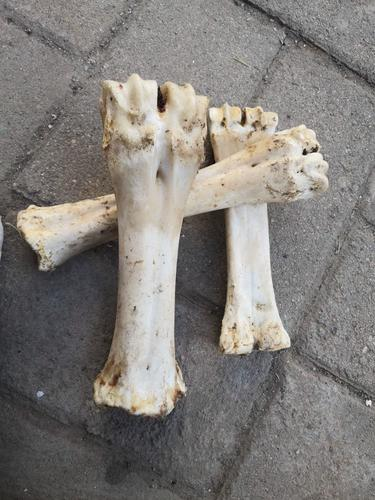
Selezione di campioni idonei: I campioni ideali dovrebbero essere parti ossee ben conservate che non siano state gravemente contaminate. Per esempio, resti umani rinvenuti in siti archeologici o ossa di animali conservati in ambienti specifici.
Pulitura e lavorazione: Utilizzare strumenti sterili per rimuovere lo sporco superficiale e altri contaminanti per ridurre al minimo l'impatto del DNA esterno sui risultati. A volte metodi chimici (per esempio., immergersi nell'alcool) sono necessari per un'ulteriore pulizia.
2. Frantumazione e Demineralizzazione
Frantumazione di ossa: Per potenziare l'effetto dei reagenti, le ossa vengono solitamente macinate in particelle fini. Questa fase deve essere eseguita sotto stretto controllo per evitare l'introduzione di DNA estraneo.
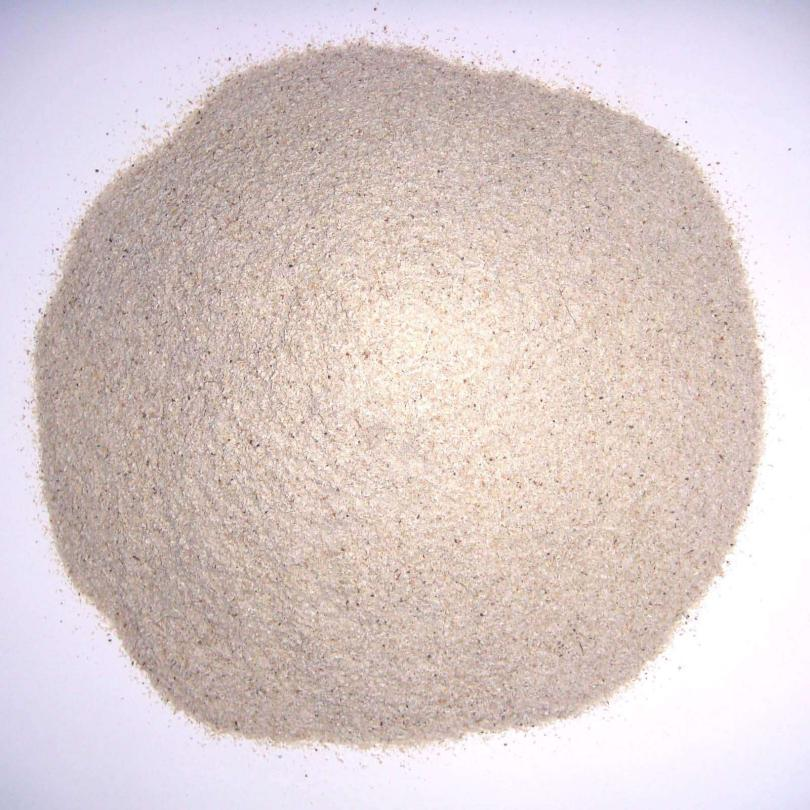
Demineralizzazione: Aggiungendo una soluzione di agente chelante come EDTA (acido etilendiamminotetraacetico), il contenuto di sale di calcio dell'osso può essere efficacemente sciolto, liberando così le cellule incapsulate. Questo processo potrebbe richiedere ore o addirittura giorni.
3. Estrazione del DNA
Lisi cellulare: Proteinasi K e la soluzione di lisi vengono aggiunti alla farina ossea demineralizzata per favorire la rottura cellulare attraverso il riscaldamento, consentendo il rilascio del DNA interno. Successivamente, per separare il surnatante è stata utilizzata una centrifuga, i.e. il liquido contenente il DNA bersaglio.
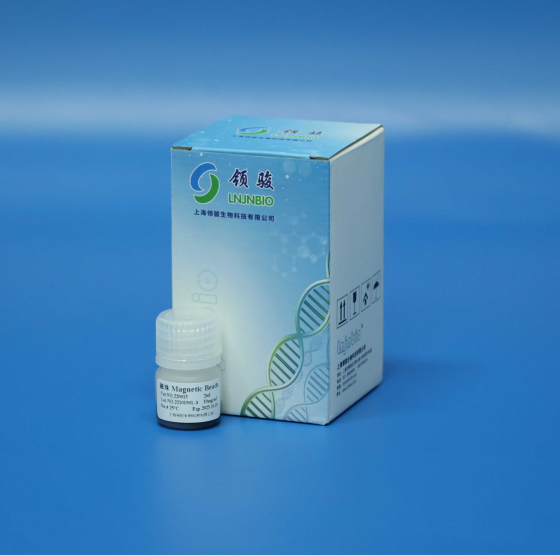
Fase di purificazione: La purificazione del DNA viene eseguita utilizzando il metodo delle perle magnetiche di estrazione dell'acido nucleico, colonne di gel di silice, o altri kit disponibili in commercio. Questi metodi rimuovono le impurità come proteine e polisaccaridi concentrando e trattenendo frammenti di DNA puro.
4. Test e analisi di qualità
Misurazione della concentrazione: Misurare la quantità totale di DNA estratto e la sua purezza utilizzando uno spettrofotometro UV, PCR quantitativa a fluorescenza, ecc.
Valutazione dell'integrità: verificare se la catena del DNA è completa mediante elettroforesi su gel, o eseguire direttamente il sequenziamento per giudicarne inizialmente l'idoneità.
5. Precauzioni sul processo di estrazione
Problema di degrado: Con il prolungamento del tempo di conservazione del campione, Il DNA è soggetto a rotture, idrolisi, e altri fenomeni, con conseguente aumento della difficoltà di estrazione. Perciò, particolare attenzione dovrebbe essere prestata alla rapida estrazione e alla riduzione delle perdite quando si tratta di campioni antichi.
Controllo della contaminazione: Le norme operative asettiche devono essere rigorosamente osservate durante l'intero processo per evitare la miscelazione del moderno DNA di derivazione umana, che influenzeranno l’autenticità dei risultati finali.
L’estrazione di DNA di alta qualità dalle ossa non si basa solo sul supporto di scienza e tecnologia avanzate, ma mette anche alla prova le conoscenze professionali e le meticolose capacità operative dei ricercatori. Poiché la ricerca in questo campo continua a svilupparsi, speriamo di svelare altri misteri della vita in futuro.
Fornitore
Shanghai Lingjun Biotecnologia Co., Ltd.è stato fondato nel 2016 che è un produttore professionale di materiali biomagnetici e reagenti per l'estrazione degli acidi nucleici.
Abbiamo una ricca esperienza nell'estrazione e purificazione degli acidi nucleici, purificazione delle proteine, separazione cellulare, chemiluminescenza e altri campi tecnici.
I nostri prodotti sono ampiamente utilizzati in molti campi, come i test medici, test genetici, ricerca universitaria, allevamento genetico, e così via. Non solo forniamo prodotti, ma possiamo anche intraprendere l'OEM, ODM, e altre esigenze. Se hai un'esigenza correlata, non esitate a contattarci asales01@lingjunbio.com.
- Ottimizzazione tecnica dell'estrazione dell'RNA totale da tessuti animali complessi: Valutazione di un protocollo di miniestrazione basato sul metodo delle biglie magnetiche
- Estrazione manuale delle perle magnetiche in inverno: Precauzioni chiave per la gestione delle basse temperature
- Perline magnetiche: Come ottenere “Aspirazione in un solo passaggio” nell'estrazione dell'RNA?
- Prevenzione del virus Nipah e rilevamento precoce mediante la tecnologia delle microsfere magnetiche: nuove strategie per il controllo delle epidemie
- Kit universale per l'estrazione dell'RNA totale: La chiave per prevenire la degradazione dell'RNA negli esperimenti di routine