
お問い合わせフォーム

骨からDNAを抽出する方法

In scientific research or identification fields such as archaeology, forensic science, and paleontology, scientists often need to obtain genetic information about an organism from ancient bone or tooth samples. This information is important for studies such as species identification, identity, and environmental change. しかし, extracting DNA from bones is a complex and technically demanding technique due to the storage conditions of the samples. This article will detail the process of how to effectively extract DNA from bones.

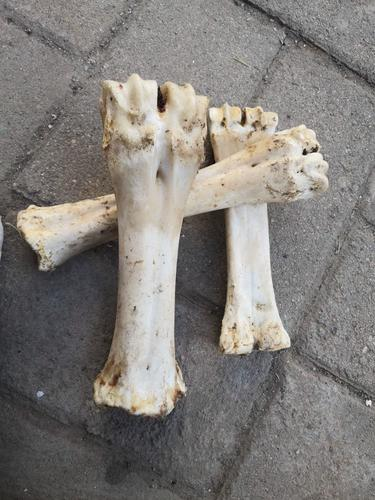
Bovine bones

私. Preparation

Selection of suitable samples: Ideal samples should be well-preserved bone parts that have not been seriously contaminated. For example, human remains found in archaeological sites or animal bones preserved in specific environments.

Cleaning and processing: Use sterile tools to remove surface soil and other contaminants to minimize the impact of external DNA on the results. Sometimes chemical methods (例えば, soaking in alcohol) are required for further cleaning.

2. Crushing and Demineralisation

Crushing of bones: To enhance the effect of the reagents, the bones are usually ground into fine particles. This step needs to be carried out under strict control to avoid the introduction of foreign DNA.

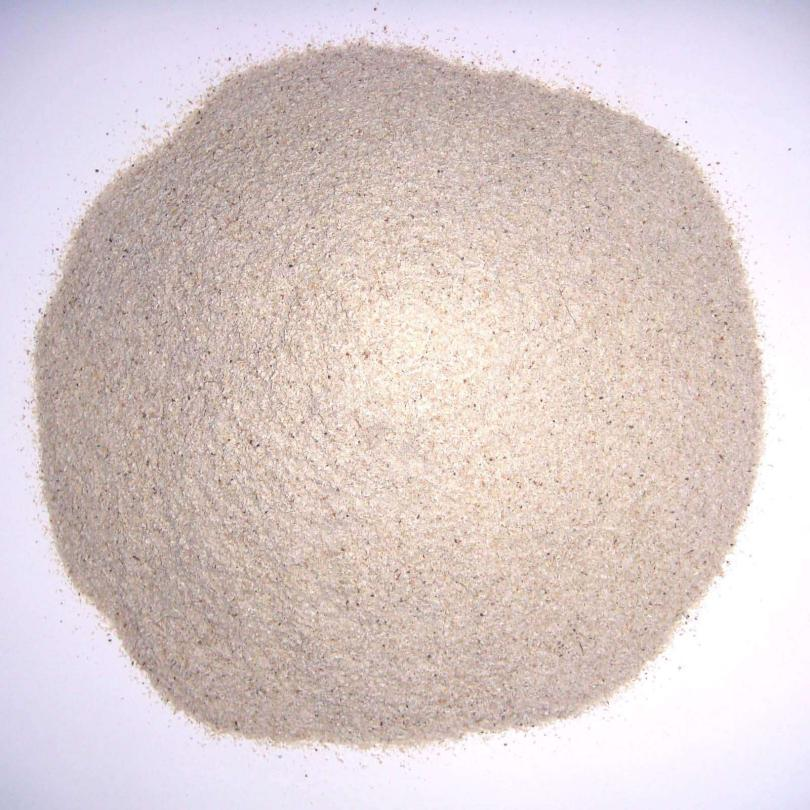
Bone meal

Demineralization: By adding a chelating agent solution such as EDTA (ethylenediaminetetraacetic acid), the calcium salt content of the bone can be effectively dissolved away, thus releasing the encapsulated cells. This process may take hours or even days.

3. DNA抽出

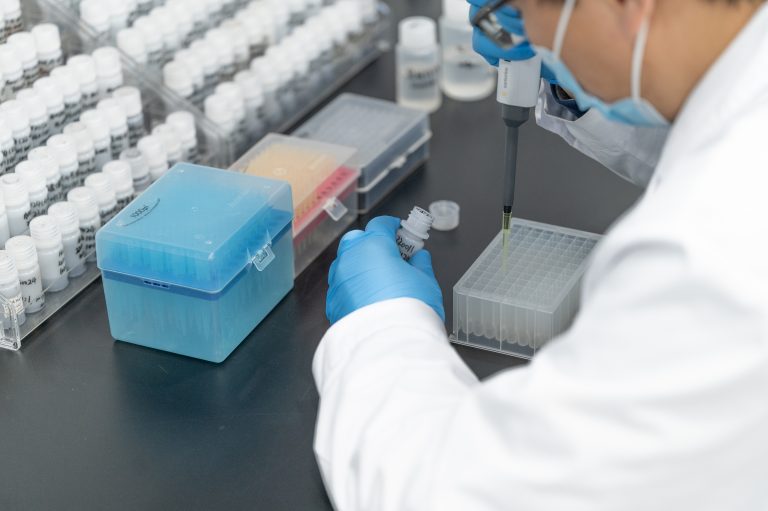
Cell lysis: プロテイナーゼK and lysing solution are added to the demineralized bone meal to promote cell rupture through heating, allowing the release of internal DNA. Subsequently, a centrifuge was used to separate the supernatant, i.e. the liquid containing the target DNA.

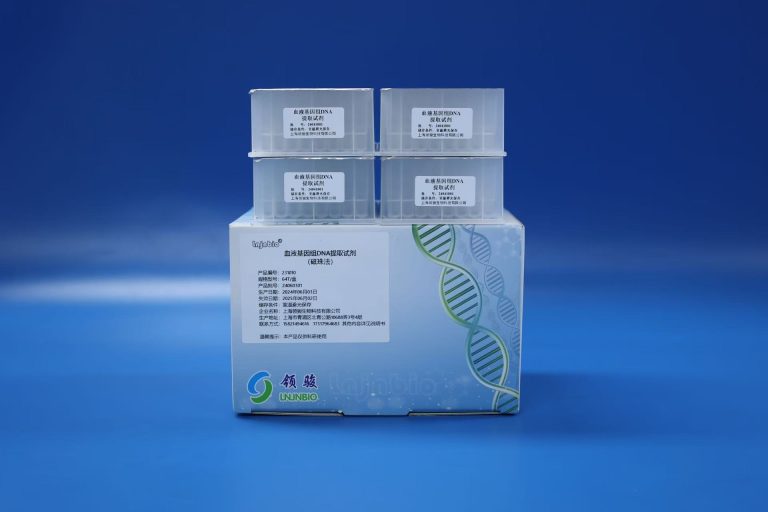
Purification step: DNA purification is performed using the magnetic bead method of nucleic acid extraction, silica gel columns, or other commercially available kits. These methods remove impurities such as proteins and polysaccharides while concentrating and retaining pure DNA fragments.

4. Quality testing and analysis

Concentration measurement: Measure the total amount of DNA extracted and its purity using a UV spectrophotometer, fluorescence quantitative PCR, 等.

Integrity assessment: check whether the DNA chain is complete through gel electrophoresis, or directly carry out sequencing to initially judge its suitability.

5. Precautions over the extraction process

Degradation problem: With the prolongation of sample preservation time, DNA is prone to breakage, hydrolysis, and other phenomena, resulting in increased difficulty in extraction. したがって, special attention should be paid to rapid extraction and reduction of loss when dealing with age-old samples.

Contamination control: Aseptic operation norms must be strictly observed during the whole process to prevent the mixing of modern human-derived DNA, which will affect the authenticity of the final results.

The extraction of high-quality DNA from bones not only relies on the support of advanced science and technology but also tests the professional knowledge and meticulous operation skills of researchers. As research in this field continues to develop, we hope to unravel more of the mysteries of life in the future.

サプライヤー

上海霊軍生物技術有限公司, 株式会社に設立されました 2016 生体磁性材料と核酸抽出試薬の専門メーカーです.

核酸抽出・精製の経験が豊富です。, タンパク質の精製, 細胞分離, 化学発光およびその他の技術分野.

当社の製品はさまざまな分野で広く使用されています, 医療検査など, 遺伝子検査, 大学の研究, 遺伝子育種, 等々. 製品のご提供だけでなくOEMも承ります, ODM, 関連するニーズがある場合, お気軽にお問い合わせください。sales01@lingjunbio.com.
ニュースレターの更新情報

以下にメールアドレスを入力してニュースレターを購読してください