Fabricante profesional de perlas biomagnéticas


Cómo extraer ADN de los huesos
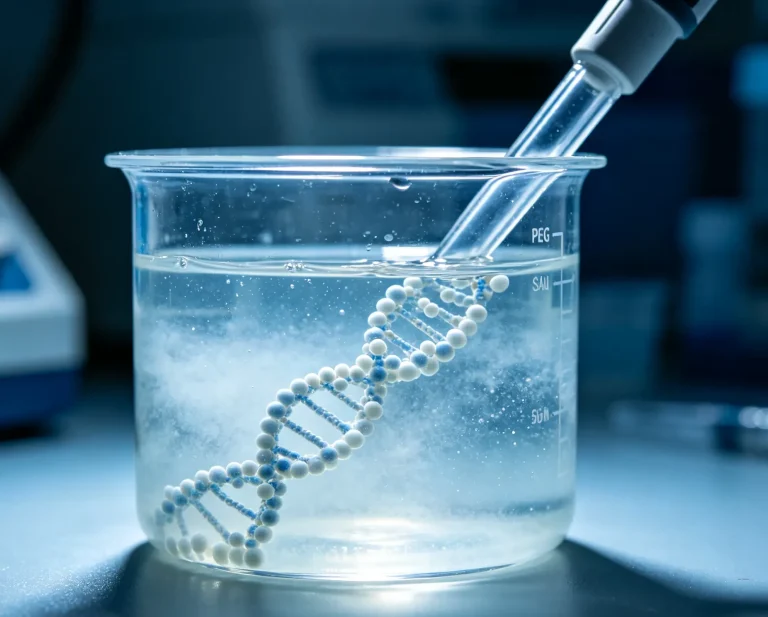
En campos de investigación científica o identificación como la arqueología., ciencia forense, y paleontología, Los científicos a menudo necesitan obtener información genética sobre un organismo a partir de muestras de huesos o dientes antiguos.. Esta información es importante para estudios como la identificación de especies., identidad, y el cambio ambiental. Sin embargo, extraer ADN de huesos es una técnica compleja y técnicamente exigente debido a las condiciones de almacenamiento de las muestras. Este artículo detallará el proceso de cómo efectivamente extraer ADN de huesos.
I. Preparación
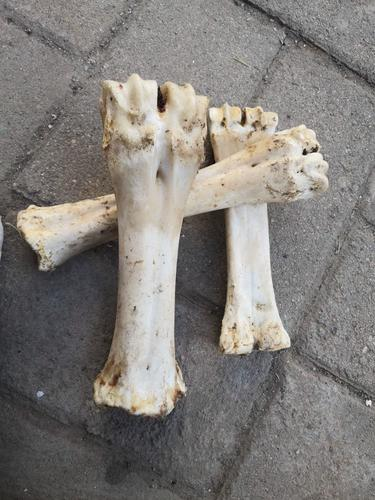
Selección de muestras adecuadas.: Las muestras ideales deben ser partes óseas bien conservadas que no hayan sido contaminadas gravemente.. Por ejemplo, Restos humanos encontrados en sitios arqueológicos o huesos de animales conservados en ambientes específicos..
Limpieza y procesamiento: Utilice herramientas estériles para eliminar la suciedad de la superficie y otros contaminantes para minimizar el impacto del ADN externo en los resultados.. A veces métodos químicos. (p.ej., remojo en alcohol) son necesarios para una mayor limpieza.
2. Trituración y Desmineralización
Trituración de huesos: Para mejorar el efecto de los reactivos., los huesos generalmente se muelen en partículas finas. Este paso debe realizarse bajo estricto control para evitar la introducción de ADN extraño..
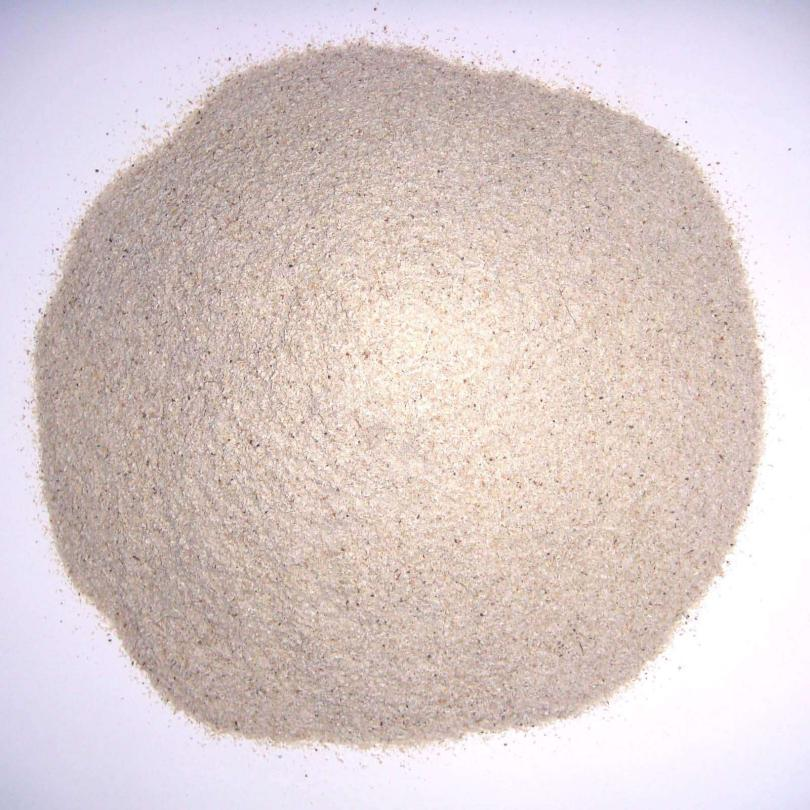
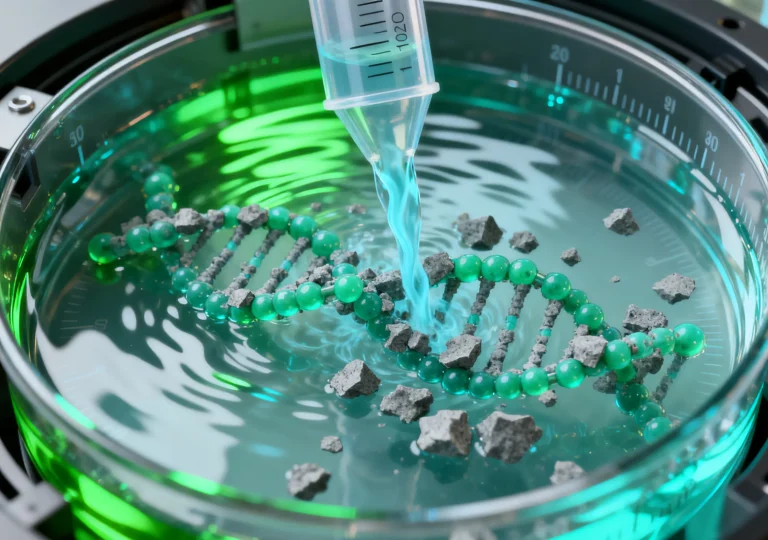
Desmineralización: Añadiendo una solución de agente quelante como EDTA (ácido etilendiaminotetraacético), El contenido de sal de calcio del hueso se puede disolver eficazmente., liberando así las células encapsuladas. Este proceso puede tardar horas o incluso días..
3. Extracción de ADN
lisis celular: Proteinasa K y una solución de lisis se añaden a la harina de huesos desmineralizada para promover la ruptura celular mediante el calentamiento., permitiendo la liberación del ADN interno. Después, Se utilizó una centrífuga para separar el sobrenadante., es decir. El líquido que contiene el ADN objetivo..
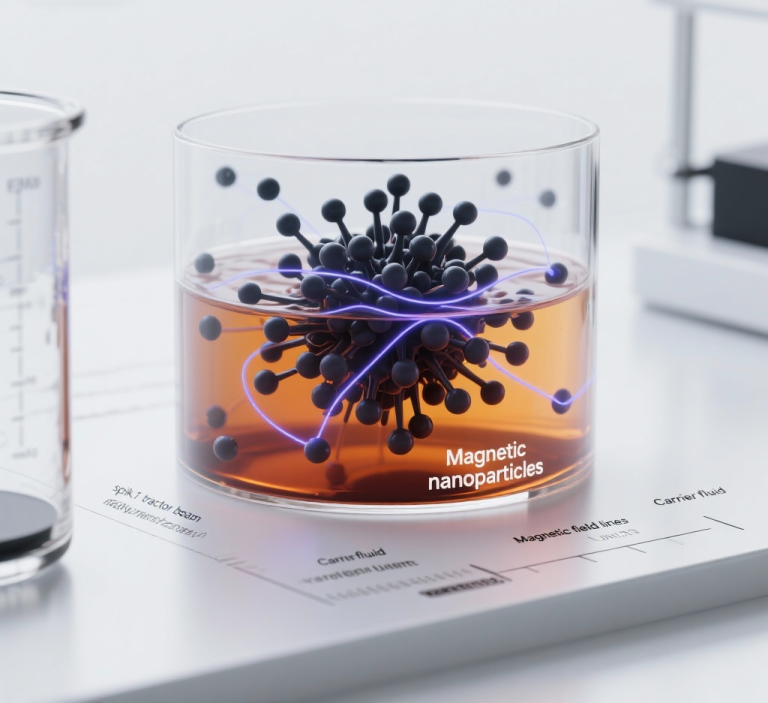
Paso de purificación: La purificación del ADN se realiza mediante el método de extracción de ácido nucleico con perlas magnéticas., columnas de gel de sílice, u otros kits disponibles comercialmente. Estos métodos eliminan impurezas como proteínas y polisacáridos mientras concentran y retienen fragmentos de ADN puro..
4. Pruebas y análisis de calidad.
Medición de concentración: Mida la cantidad total de ADN extraído y su pureza utilizando un espectrofotómetro UV, PCR cuantitativa de fluorescencia, etc..
Evaluación de integridad: comprobar si la cadena de ADN está completa mediante electroforesis en gel, o realizar directamente la secuenciación para juzgar inicialmente su idoneidad.
5. Precauciones sobre el proceso de extracción.
Problema de degradación: Con la prolongación del tiempo de conservación de las muestras., El ADN es propenso a romperse, hidrólisis, y otros fenómenos, lo que resulta en una mayor dificultad en la extracción. Por lo tanto, Se debe prestar especial atención a la extracción rápida y a la reducción de pérdidas cuando se trata de muestras antiguas..
Control de contaminación: Se deben observar estrictamente las normas de operación aséptica durante todo el proceso para evitar la mezcla de ADN moderno de origen humano., lo que afectará la autenticidad de los resultados finales.
La extracción de ADN de alta calidad a partir de huesos no solo se basa en el apoyo de ciencia y tecnología avanzadas, sino que también pone a prueba el conocimiento profesional y las habilidades operativas meticulosas de los investigadores.. A medida que la investigación en este campo continúa desarrollándose, Esperamos desentrañar más misterios de la vida en el futuro..
Proveedor
Shanghai Lingjun Biotecnología Co., Limitado.se estableció en 2016 que es un fabricante profesional de materiales biomagnéticos y reactivos de extracción de ácidos nucleicos..
Tenemos una rica experiencia en extracción y purificación de ácidos nucleicos., purificación de proteínas, separación celular, quimioluminiscencia y otros campos técnicos.
Nuestros productos son ampliamente utilizados en muchos campos., como pruebas médicas, pruebas genéticas, investigación universitaria, mejoramiento genético, etcétera. No solo proporcionamos productos sino que también podemos realizar OEM, ODM, y otras necesidades. Si tiene una necesidad relacionada, no dude en contactarnos enventas01@lingjunbio.com.
- Optimización técnica de la extracción de ARN total de tejidos animales complejos: Evaluación de un protocolo de miniextracción basado en el método de perlas magnéticas
- Extracción manual de cuentas magnéticas en invierno: Precauciones clave para el manejo a baja temperatura
- Cuentas Magnéticas: Cómo lograr “Aspiración de un solo paso” en Extracción de ARN?
- Prevención y detección temprana del virus Nipah mediante tecnología de perlas magnéticas: nuevas estrategias para el control de brotes
- Kit universal de extracción de ARN total: La clave para prevenir la degradación del ARN en experimentos de rutina