Profesjonell produsent av biomagnetiske perler


Anvendelse av DNA Molecular Marker Technology i identifisering av kinesiske urtemedisiner
Hva er identifiseringsmetodene for kinesiske urtemedisiner?
De viktigste metodene for identifikasjon av tradisjonell kinesisk urtemedisin inkluderer opprinnelsesidentifikasjon, mikroskopisk identifikasjon, fysisk og kjemisk identifikasjon, biologisk identifikasjon, osv. Imidlertid, disse identifikasjonsegenskapene er nesten alle genetiske fenotyper av organismer, som ikke bare påvirkes av genetiske faktorer, men også nært knyttet til vekst- og utviklingsstadiet til organismer, miljøforhold, og menneskelige aktiviteter som introduksjon og domestisering, behandling, osv. De har stor variasjon og tilfeldighet og har uunngåelig mangler som sterk subjektivitet, dårlig repeterbarhet, og stabilitet, som har en viss innvirkning på påliteligheten til identifikasjonsresultatene.
Hva er bruken av DNA-molekylær markørteknologi innen planteidentifikasjon?
De siste årene, med utviklingen av molekylærbiologisk teknologi, DNA molekylær markørteknologi har blitt mye brukt i studiet av genetisk mangfold, systematikk, og taksonomi av medisinplanter og har gradvis penetrert feltet for identifikasjon av kinesiske urtemedisiner, fremme utviklingen av forskning på identifisering av kinesiske urtemedisiner. Som en bærer av genetisk informasjon, DNA-molekyler har et stort informasjonsinnhold og høy grad av genetisk stabilitet innen samme art. De påvirkes ikke av ytre miljøfaktorer og forskjeller i biologiske utviklingsstadier og organvev. Derfor, bruk av DNA-molekylære egenskaper som genetiske markører for identifikasjon av kinesiske urtemedisiner er mer nøyaktig og pålitelig og er svært egnet for planteidentifikasjon av nært beslektede arter, lett forvirrede varianter, sjeldne varianter, osv.
1. Direkte amplifikasjon av fragmentlengdepolymorfisme
Denne teknologien er en ny molekylær markørteknologi. Den er basert på PCR-teknologi for å forsterke genomiske DNA-restriksjonsfragmenter. Det genomiske DNA kuttes først med restriksjonsendonukleaser, og deretter kobles dobbelttrådede adaptere til endene av DNA-fragmentene. Adaptersekvensen og den tilstøtende restriksjonssetesekvensen brukes som primerbindingsseter. Det er en ny metode for å oppdage genpolymorfismer og direkte sekvensere amplifiserte produkter.
2. Tilfeldig amplifikasjon av polymorft DNA
Denne teknologien er en PCR-teknologi som bruker 10bp oligonukleotider som primere. Fordi denne teknologien er rask og følsom, krever ikke at genomsekvensen testes, og krever ikke høy malkvalitet, den har unike fordeler i studiet av medisinsk plantesystematikk. Det kan gi polymorf informasjon om hele genomet gjennom forskjellige primere, unngå påvirkning fra ulike vekstmiljøer og utviklingsperioder, sammenligne og analysere taxa på DNA-nivå, bestemme forholdet mellom medisinske plantearter og varianter, og tegne et fylogenetisk tre.
3. Polymorfisme mellom enkle repetisjonssekvenser
Denne teknologien er en molekylær markørteknologi som ligner på tilfeldig amplifikasjon av polymorft DNA. Dens primere er designet basert på en viss repeterende sekvens i genomet for å danne en serie spesifikke primere, inkludert dinukleotider, trinukleotider, og tetranukleotider, som er komplementære til mikrosatellittsekvensene i genomet, and have oligonucleotide anchor sequences that anneal to the 5′ or 3′ end of the genomic repeat sequence, about 17-22bp in length. In addition to the advantages of random amplification of polymorphic DNA, this technology is more targeted. It uses repeat anchor primers to amplify fragments between simple repeat sequences and has the advantages of good repeatability, høy stabilitet, and rich polymorphism.
4. DNA sequencing method
DNA sequencing method is to determine the nucleotide sequence of the target gene fragment and compare the differences between the sequences to determine the specific sites with identification significance between various populations, so as to achieve the purpose of identification. In order to solve the problem of differences between families, species, or populations within a species of Chinese herbal medicine, appropriate gene fragments are selected for sequence determination and analysis.
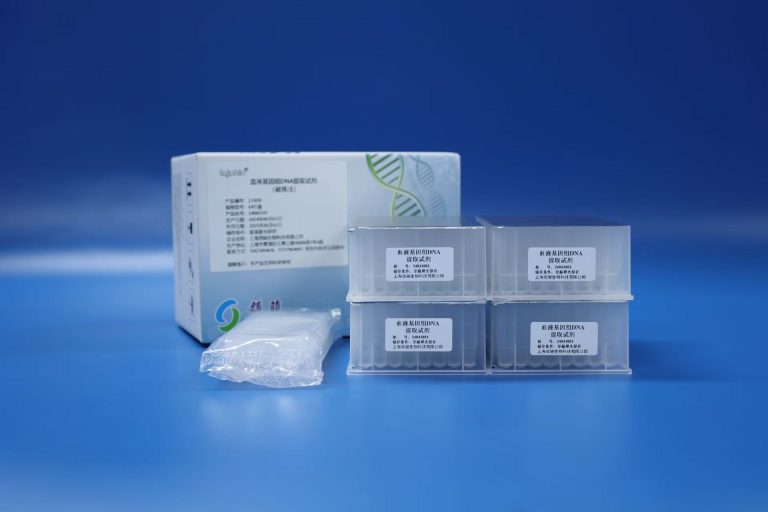
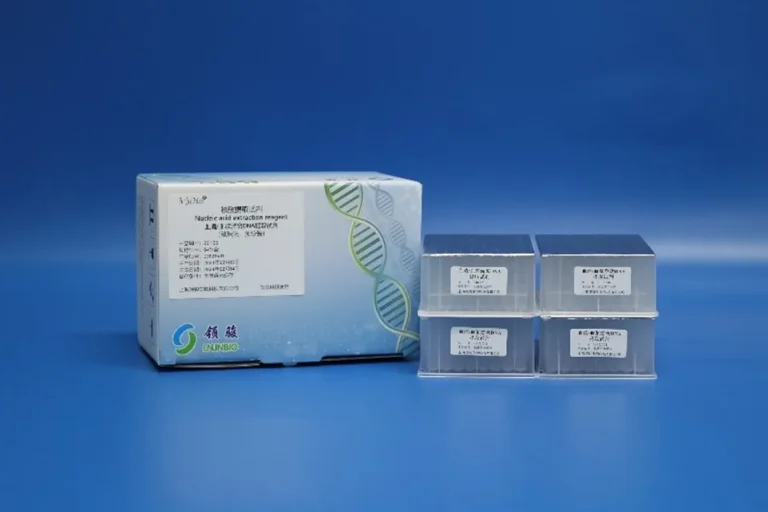
Shanghai Lingjun provides efficient and high-quality Chinese herbal medicine genomic DNA extraction reagents (magnetisk perlemetode). The use process is safe and does not require liquid nitrogen grinding. Produktet inneholder ikke skadelige reagenser som fenol og kloroform. The extracted product has good purity and high yield. It can also achieve good extraction effects for samples with high polysaccharide and polyphenol content.
Leverandørintroduksjon

Shanghai Lingjun Biotechnology Co., Ltd.ble etablert i 2016 som er en profesjonell produsent av biomagnetiske materialer og nukleinsyreekstraksjonsreagenser.
Vi har rik erfaring innen utvinning og rensing av nukleinsyre, proteinrensing, celleseparasjon, kjemiluminescens og andre tekniske felt.
Våre produkter er mye brukt på mange felt, som medisinsk testing, genetisk testing, universitetsforskning, genetisk avl, og så videre. Vi leverer ikke bare produkter, men kan også påta oss OEM, ODM, og andre behov. Hvis du har relaterte behov, ta gjerne kontakt med oss på sales01@lingjunbio.com.