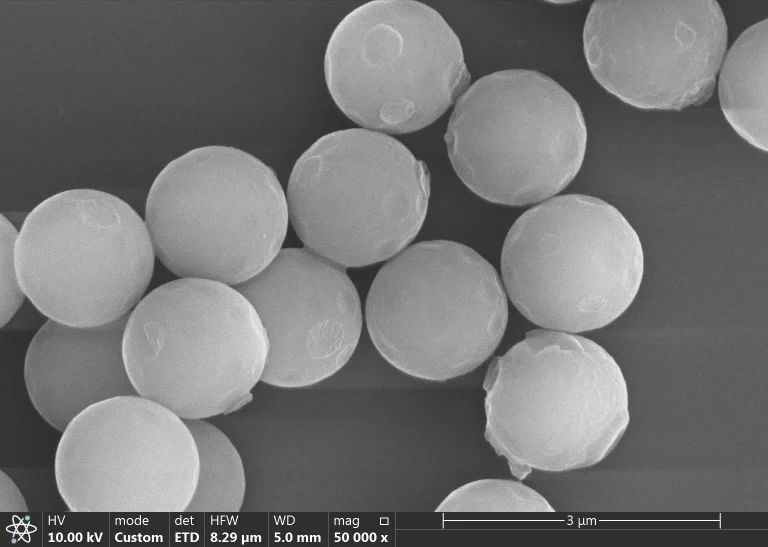
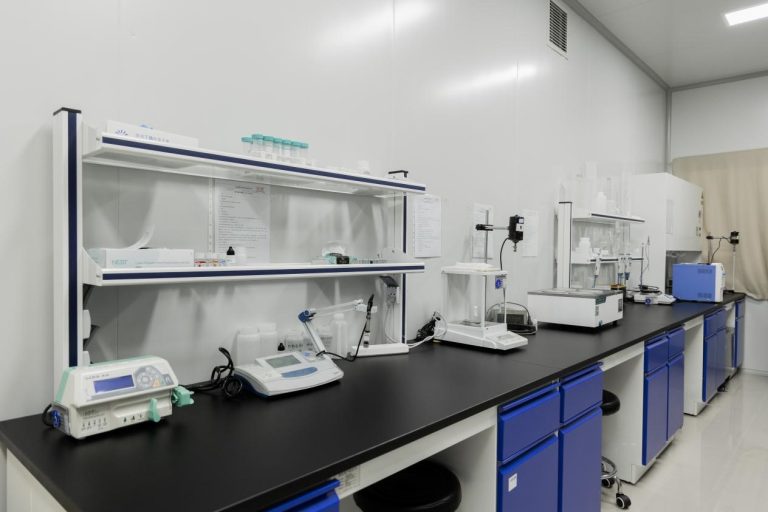
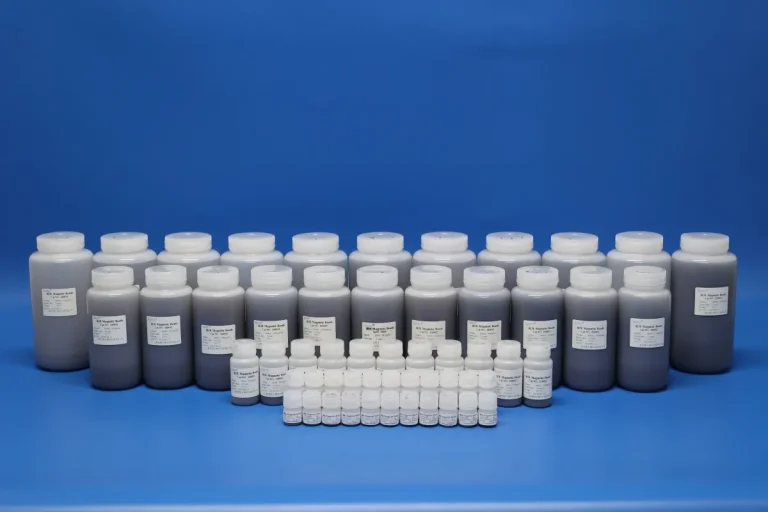
المهنية في صناعة الخرز المغناطيسي الحيوي


تحسين ح. الكشف عن الملوية البوابية عن طريق استخراج الحمض النووي للخرزة المغناطيسية
مقدمة
استخراج الحمض النووي القائم على الخرز المغناطيسي حاليًا، تلعب التكنولوجيا السائدة والمعيارية الذهبية دورًا حاسمًا في الكشف الجزيئي لبكتيريا هيليكوباكتر بيلوري (ح. بيلوري). اليوم, سوف نستكشف التطبيق بالتفصيل, بروتوكولات محددة, والآفاق المستقبلية لتكنولوجيا استخلاص الحمض النووي القائم على الخرز المغناطيسي في اختبار الحمض النووي لبكتيريا هيليكوباكتر بيلوري.
1. طلب: لماذا تعد طريقة الخرزة المغناطيسية مناسبة بشكل خاص لـ H. اختبار الحمض النووي للبكتيريا الحلزونية?
عينات ل H. عادة ما يشمل الكشف عن الملوية البوابية الأنسجة المخاطية في المعدة (خزعة), براز, اللعاب, أو لوحة الأسنان. هذه العينات معقدة في التكوين, تحتوي على كميات كبيرة من الخلايا المضيفة, مخاط, بقايا الطعام, الأحماض الصفراوية, ومثبطات PCR المختلفة.
لذلك, يعد استخراج الحمض النووي الفعال والنقي أمرًا بالغ الأهمية لضمان دقة اختبارات الحمض النووي اللاحقة (مثل qPCR, PCR الرقمي, والتسلسل).
1.1 توفر طريقة الخرزة المغناطيسية مزايا كبيرة في هذا السياق
- درجة نقاء عالية وإنتاجية: تعمل الخرزات المغناطيسية على امتصاص الأحماض النووية بشكل فعال وإزالة الشوائب مثل البروتينات, السكريات, والدهون من خلال خطوات الغسيل المتعددة. وهي فعالة بشكل خاص في القضاء على مثبطات PCR في عينات الجهاز الهضمي المعقدة, يعزز بشكل كبير حساسية الكشف وخصوصيته.
- الأتمتة والإنتاجية العالية: طريقة الخرزة المغناطيسية قابلة للتشغيل الآلي بشكل كبير. تتوفر العديد من أدوات استخلاص الحمض النووي الآلية التي يمكنها معالجة عشرات أو حتى مئات العينات في وقت واحد, تحسين الكفاءة بشكل ملحوظ, تقليل الخطأ البشري, وتلبية متطلبات الاختبارات السريرية واسعة النطاق والفحص الوبائي.
- السلامة والبساطة: تتم العملية برمتها في لوحات بئر عميقة مختومة, التقليل من تلوث الهباء الجوي وتقليل المشغلين’ التعرض للكواشف الخطرة, وبالتالي تعزيز السلامة البيولوجية.
- المرونة: الطريقة مناسبة لأنواع العينات المختلفة, بما في ذلك أنسجة المعدة, براز, والعينات الشفوية, مع تعديلات طفيفة على المخزن المؤقت للتحلل ومعلمات التشغيل.
- التوحيد القياسي: تضمن العمليات الآلية توحيدًا عاليًا, نتائج موثوقة, وتسهيل المقارنات بين المختبرات ومراقبة الجودة.
2. بروتوكول: سير عمل استخراج الحمض النووي القائم على الخرز المغناطيسي واكتشافه لـ H. بيلوري
فيما يلي بروتوكول آلي قياسي يعتمد على الخرز المغناطيسي لاستخراج H. الحمض النووي للبكتيريا الحلزونية (باستخدام أنسجة المعدة أو عينات البراز كأمثلة):
2.1 عينة ما قبل العلاج
الأنسجة المخاطية في المعدة: ضع أنسجة الخزعة في أنبوب الطرد المركزي المحتوي على برنامج تلفزيوني وتجانس جيدًا باستخدام طاحونة الأنسجة.
عينة البراز: تعليق كمية صغيرة (على سبيل المثال, 100-200 ملغ) من عينة البراز في محلول معين لحفظ العينة أو محلول PBS, دوامة لخلط, وأجهزة الطرد المركزي لجمع طاف.
2.2 استخلاص الحمض النووي (باستخدام نظام الاستخراج الآلي 96-جيدا)
تحلل: يأخذ 200 ميكرولتر من طاف العينة المجهزة وإضافته إلى محلول تحلل قوي يحتوي على بروتيناز K (على سبيل المثال, نظام ملح تغيير طبيعة الجوانيدين HCl). احتضان عند 60-70 درجة مئوية لمدة 10-20 دقيقة لتحلل الخلايا والبكتيريا بالكامل, الافراج عن الأحماض النووية, وإلغاء تنشيط أي nucleases المحتملة.
ملزم: إضافة المخزن المؤقت الملزم وتعليق الخرزة المغناطيسية إلى المحللة والمزيج. تحت القوة الأيونية العالية للملح المتغير, يمتص الحمض النووي بشكل خاص على سطح الخرز المغناطيسي. بعد احتضانها لعدة دقائق, التقاط مجمعات حبة الحمض النووي باستخدام موقف مغناطيسي وتجاهل المادة طافية.
غسل:
غسل العازلة I: يحتوي عادة على تركيزات عالية من الملح والإيثانول لإزالة البروتينات, الدهون, وغيرها من الشوائب.
غسل العازلة II: يحتوي عادة على تركيزات منخفضة من الملح والإيثانول لإزالة الأملاح والمثبطات المتبقية.
بعد كل خطوة غسيل, إعادة تعليق الخرز, القبض عليهم, وتخلص من السائل. كرر 2-3 مرات.
تجفيف: بعد إزالة عازلة الغسيل بالكامل, اترك الأنبوب مفتوحًا في درجة حرارة الغرفة لبضع دقائق أو استخدم حرارة خفيفة للسماح للإيثانول المتبقي بالتبخر بالكامل, تجنب التداخل مع تفاعلات PCR اللاحقة.
شطف: أضف محلول شطف قليل الملح أو خالي من الملح (على سبيل المثال, Tris-EDTA عازلة أو ماء معقم), إعادة تعليق الخرز, واحتضان عند 55-65 درجة مئوية لمدة 5-10 دقائق لفصل الحمض النووي عن الخرز. أخيراً, التقاط الخرز باستخدام حامل مغناطيسي, والطاف الناتج يحتوي على H المنقى. قالب الحمض النووي للبكتيريا الحلزونية.
2.3 كشف الحمض النووي
Add the extracted DNA template to a real-time quantitative PCR (qPCR) reaction system.
Target Genes: Commonly selected highly specific conserved genes of H. pylori include:
- Urease A gene (ureA): Most commonly used, with extremely high specificity.
- 16S rRNA gene: Highly conserved, suitable for genus-level identification.
- cagA gene: A virulence gene used to distinguish high-virulence strains.
Reaction: Perform amplification in a qPCR instrument and monitor the fluorescence signal to determine results. Positive samples will show a characteristic S-shaped amplification curve.
ضبط الجودة
Internal Control (IC): Added at the beginning of extraction to monitor the success of the entire process and avoid false negatives.
Positive and Negative Controls: Included in each experiment to ensure the effectiveness of extraction and PCR reagents.
3. Prospects and Future Directions
The prospects for magnetic bead-based nucleic acid extraction technology in H. pylori detection are vast and will develop in the following directions:
- Fully Integrated “Sample-in, Result-out” Systems: Future trends involve integrating nucleic acid extraction, التضخيم, and detection into a single microfluidic chip or cartridge. Users need only add the sample, and the instrument automatically completes the entire process and generates a report. This will greatly simplify operations, shorten detection time (potentially to within 1 ساعة), and make it highly suitable for outpatient clinics, primary care hospitals, and even home use.
- Multiplex Detection and Drug Resistance Gene Analysis: High-quality nucleic acids extracted via the magnetic bead method support multiplex qPCR testing. A single reaction can not only determine H. pylori infection but also detect multiple drug resistance genes (على سبيل المثال, clarithromycin resistance mutation 23S rRNA, levofloxacin resistance mutation gyrA), integrating molecular diagnosis and drug susceptibility testing to provide direct guidance for precise clinical treatment.
- Metagenomics and Strain Typing: High-quality DNA extraction is a prerequisite for metagenomic sequencing (mNGS). The magnetic bead method can provide high-quality templates for mNGS, enabling research on H. pylori microbiota diversity, evolutionary relationships, and interactions with other microorganisms in the infection microenvironment, thereby advancing deeper mechanistic studies.
- Popularization of Non-Invasive Testing: Stool-based H. pylori DNA testing (stool antigen test, SAT) is an excellent non-invasive method. The maturation of automated magnetic bead-based extraction will make large-scale stool screening feasible, suitable for children, individuals intolerant to endoscopy, and post-treatment efficacy monitoring.
- Continuous Technological Optimization: الخرز المغناطيسي, buffer formulations, and instrument designs will continue to be optimized to achieve faster (shortening to within 20 دقائق), more cost-effective (reducing per-test costs), and greener (using more environmentally friendly reagents) extraction of higher-purity nucleic acids.
4. توصية المنتج
شركة شنغهاي لينغجون للتكنولوجيا الحيوية, المحدودة. تقدم نماذج مختلفة من الخرز المغناطيسي المعتمد على السيليكا والمستخدم على نطاق واسع في تشخيص الأمراض المسببة للأمراض, particularly the 160013 الخرز المغناطيسي, which are suitable for Helicobacter pylori nucleic acid extraction. ال 160013 magnetic beads provide extremely high detection sensitivity, enabling early screening during infection and valuable time for disease control and prevention.
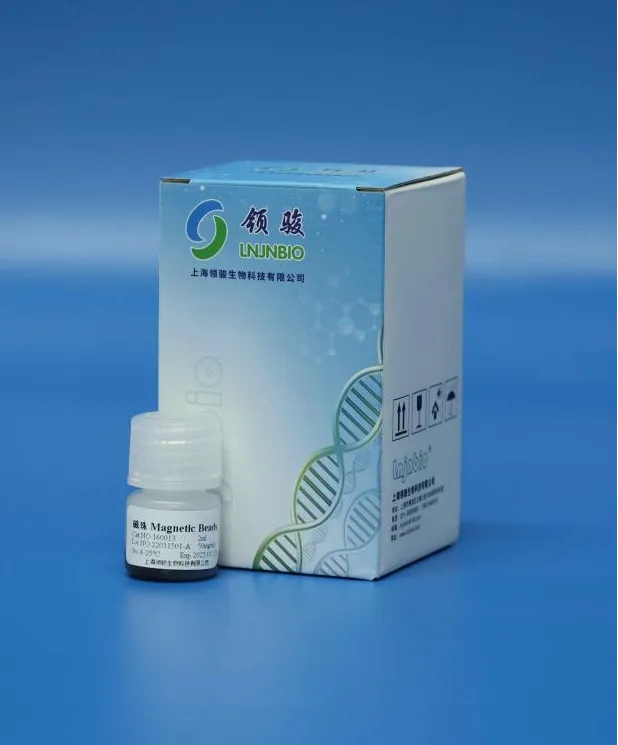
【مواصفات المنتج】
رمز المنتج: 160013
المحتوى الصلب: 50 ملغم/مل
التعبئة والتغليف: 2 مل / 10 مل / 50 مل / 500 مل / 1000 مل
【معلمات المنتج】
المجموعة النشطة: سي-أوه
مصفوفة الخرزة المغناطيسية: ثاني أكسيد السيليكون
متوسط حجم الجسيمات: 1.2 ميكرومتر
قوة التشبع المغناطيسي: 65 ± 5 الاتحاد الاقتصادي والنقدي / ز
【مزايا المنتج】
معدل امتصاص عالي: تجاوز الحد الأقصى لمعدل الاسترداد 95%.
Excellent suspension and strong magnetic properties for easy operation.
درجة نقاء وحساسية عالية في استخلاص الحمض النووي.
Mature production process with excellent batch-to-batch consistency.
خاتمة
تكنولوجيا استخراج الحمض النووي القائمة على الخرز المغناطيسي, with its advantages of automation, إنتاجية عالية, درجة نقاء عالية, والسلامة العالية, has become the gold standard method for nucleic acid preparation in Helicobacter pylori molecular diagnostics. It not only ensures the reliability of current qPCR testing but also serves as a key technological foundation for advancing rapid, دقيق, and non-invasive diagnosis of H. pylori infection. As molecular technologies continue to evolve and integrate, the application of magnetic bead-based methods in this field will only become more profound and widespread.
مزود
شركة شنغهاي لينغجون للتكنولوجيا الحيوية, المحدودة.تأسست في 2016 وهي شركة متخصصة في تصنيع المواد المغناطيسية الحيوية وكواشف استخلاص الحمض النووي.
لدينا خبرة غنية في استخراج وتنقية الحمض النووي, تنقية البروتين, فصل الخلايا, التألق الكيميائي, وغيرها من المجالات التقنية.
منتجاتنا تستخدم على نطاق واسع في العديد من المجالات, مثل الفحوصات الطبية, الاختبارات الجينية, البحوث الجامعية, التكاثر الوراثي, وهكذا. نحن لا نقدم المنتجات فحسب، بل يمكننا أيضًا إجراء تصنيع المعدات الأصلية, أوديإم, وغيرها من الاحتياجات. إذا كان لديك حاجة ذات صلة, لا تتردد في الاتصال بنا .