


Profesjonell produsent av biomagnetiske perler
Nukleinsyreekstraksjon ved magnetisk perlemetode:Avsløre komponentene og funksjonene til reagenser
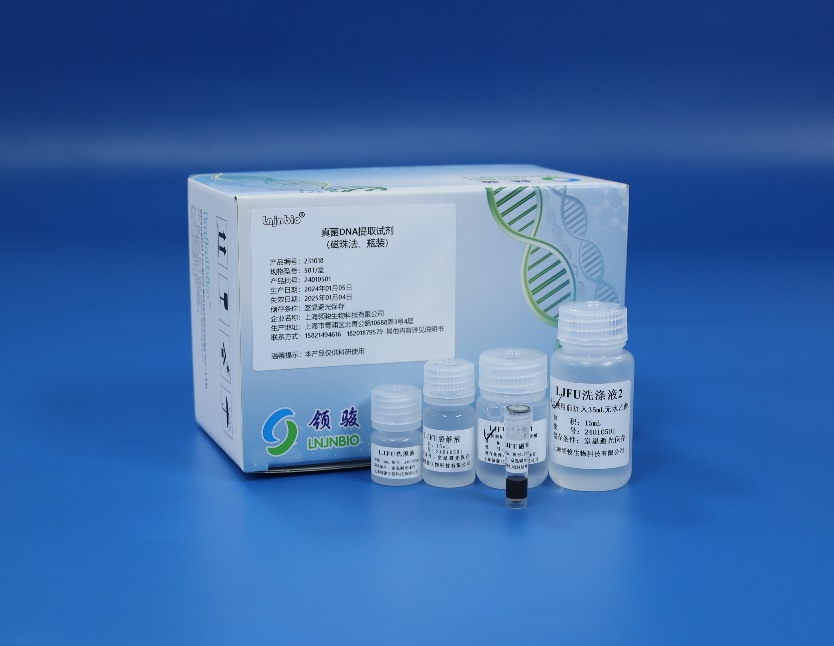
Komponentene og funksjonene til forskjellige reagenser for ekstrahering av DNA ved magnetisk perlemetoden er som følger.
1. Lysisbuffer
(1) SDS(Natriumdodecylsulfat): Et anionisk overflateaktivt middel som forstyrrer cellemembranstrukturer, frigjør mobilinnhold. Det kan bryte hydrogenbindinger mellom og innenfor molekyler, forårsaker molekylær utfoldelse og ødelegger de sekundære og tertiære strukturene til proteiner, fører til proteindenaturering. Under høye temperaturforhold, det kan forstyrre bindingen mellom proteiner og nukleinsyrer, fremme frigjøring av nukleinsyrer.
(2) Triton X-100(Polyetylenglykol oktylfenyleter): Et ikke-ionisk overflateaktivt middel som er stabilt i vann og ikke lett dissosieres, og påvirkes ikke nevneverdig av sterke uorganiske elektrolyttsalter. Dens funksjon er å danne løselige komplekser med lipider som fosfolipider i biologiske membraner; dens hydrofobe ende kan også danne komplekser med de hydrofobe områdene av membranproteiner, oppløses i løsningen. Det brukes hovedsakelig i biologiske eksperimenter som cellelyse og proteinekstraksjon.
(3) Proteinase K: Et potent proteinoppløsende enzym isolert fra Candida albicans, med høy spesifikk aktivitet, det er et nøkkelreagens for nukleinsyreekstraksjon. Dens primære funksjon er å enzymatisk hydrolysere histoner bundet til nukleinsyrer, som lar nukleinsyrer være frie i løsningen.
(4) Guanidintiocyanat(GITC): En sterk proteindenatureringsmiddel som raskt kan løse opp proteiner, forstyrre cellestrukturer, skille nukleinsyrer fra proteiner, og hemmer aktiviteten til nukleaser, beskytter nukleinsyrer mot nedbrytning.
(5) EDTA(Etylendiamintetraeddiksyre): Et chelateringsmiddel som kan chelatere metallioner som kalsium og magnesium i løsningen, hemmer aktiviteten til nukleaser som er avhengige av metallioner, og forhindrer at nukleinsyrer brytes ned.
(6) Tris-HCl: Bufferen opprettholder den relative pH-stabiliteten til lyseringsbufferen, tilveiebringe et passende surt eller alkalisk miljø under nukleinsyreekstraksjonsprosessen.
2. Bindingsbuffer
(1) Salter med høy konsentrasjon(slik som NaCl, MgCl2, osv.): Fremme bindingen av nukleinsyrer til overflaten av magnetiske perler. Salioner kan nøytralisere de negative ladningene til nukleinsyrer i et miljø med høyt saltinnhold, redusere den elektrostatiske frastøtingen mellom nukleinsyrer og magnetiske perler, gjøre nukleinsyrer lettere adsorbert på overflaten av magnetiske perler.
(2) Magnetiske perler: Overflatemodifisert med spesifikke aktive grupper, slik som silanol eller karboksylgrupper, som spesifikt kan binde seg til nukleinsyrer ved hjelp av hydrogenbindinger, elektrostatiske interaksjoner, osv., oppnå adsorpsjon og anrikning av nukleinsyrer. Vanlige typer inkluderer superparamagnetiske silikabaserte magnetiske perler og karboksylmagnetiske perler.
3. Vaskebuffer
(1) Salter med lav konsentrasjon(slik som NaCl): Oppretthold et visst ionisk miljø, som bidrar til å fjerne urenheter uten å påvirke bindingen av nukleinsyrer til magnetiske perler.
(2) Etanol: Vanligvis brukt i vasketrinnet, det kan fjerne restproteiner, salter, og andre urenheter, gjør nukleinsyrer renere. Etanol reduserer polariteten til løsningen, gjør urenheter lettere å separere fra nukleinsyrer, og bidrar også til å stabilisere bindingen av nukleinsyrer på overflaten av magnetiske perler.
(3) Elueringsbuffer
(4) Lav salt eller saltfri buffer(slik som TE Buffer, Tris-HCl-buffer, osv.): Kan forstyrre bindingskraften mellom nukleinsyrer og magnetiske perler, slik at nukleinsyrer kan elueres fra overflaten av magnetiske kuler. Disse buffere er vanligvis svakt alkaliske, som kan nøytralisere de negative ladningene på overflaten av magnetiske perler, redusere den elektrostatiske interaksjonen mellom nukleinsyrer og magnetiske perler, og dermed frigjøre nukleinsyrer i løsningen, og oppnå eluering og rensing av nukleinsyrer.
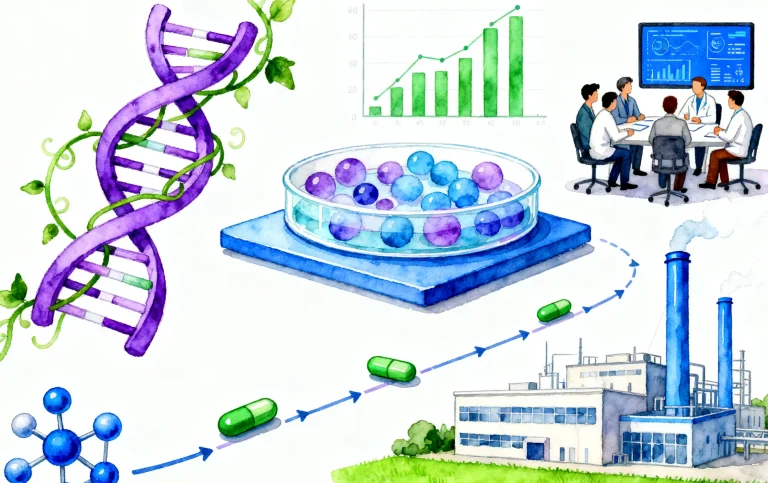
Oppsummert, den magnetiske perlemetoden for nukleinsyreekstraksjon oppnår effektiv ekstraksjon og rensing av nukleinsyrer ved hjelp av nøye utformede reagenskomponenter og optimaliserte operasjonsprosedyrer. Denne teknologien forbedrer ikke bare eksperimentell effektivitet, men sikrer også kvaliteten på nukleinsyrer, gir et solid grunnlag for påfølgende molekylærbiologisk forskning og klinisk diagnose.
Leverandør
Shanghai Lingjun Biotechnology Co., Ltd.ble etablert i 2016 som er en profesjonell produsent av biomagnetiske materialer og nukleinsyreekstraksjonsreagenser.
Vi har rik erfaring innen utvinning og rensing av nukleinsyre, proteinrensing, celleseparasjon, kjemiluminescens, og andre tekniske felt.
Våre produkter er mye brukt på mange felt, som medisinsk testing, genetisk testing, universitetsforskning, genetisk avl, og så videre. Vi leverer ikke bare produkter, men kan også påta oss OEM, ODM, og andre behov. Hvis du har et relatert behov, ta gjerne kontakt med oss påsales01@lingjunbio.com.
-e1781494122699-768x594.webp)