Professionelle Hiersteller vu biomagnetesche Perlen

Den Ultimate Guide fir Är RNA Konzentratioun ze maximéieren
Aféierung
Erhéijung RNA Konzentratioun ass eng ganz allgemeng Fuerderung a molekulare Biologie Experimenter. Déi folgend zwee Punkte sinn entscheedend.
1. Auswiel a Veraarbechtung vun Startmaterial
1.1 Erhéije d'Quantitéit vum Startmaterial:
Dëst ass déi einfachst Approche. Benotzt méi Tissu oder Zellen bannent der zulässlecher Kapazitéit vum Lysisbuffer. Zum Beispill, wann de Kit recommandéiert 10-50 mg Tissu, Dir kënnt probéieren déi iewescht Limite vun benotzt 50 mg oder souguer e bësse méi (garantéiert datt de Lysisbuffer d'Material komplett deckt an lyses).
1.2 Wielt Material mat héije RNA Ausdrock:
Wann d'Experiment erlaabt, wielt Stoffer oder Zellen déi reich an Zytoplasma sinn a metabolesch aktiv sinn, well se natierlech méi héich RNA Niveauen enthalen.
1.3 Effizient d'Probe stéieren:
- Tissue: Grind grëndlech a flëssege Stickstoff bis et e feine Pudder gëtt ier Dir de Lysisbuffer bäidréit. Alternativ, benotzt en Tissuehomogenisator fir komplett Homogeniséierung. Ineffizient Stéierung ass ee vun den Haaptgrënn fir niddereg Ausbezuele.
- Zellen: Vergewëssert Iech datt de Lysisbuffer voll a séier Kontakt mat den Zellen mécht. Fir adherent Zellen, direkt de Lysis-Puffer an d'Kulturgeschir addéieren a pipette fir ze lyséieren.
2. Optimisatioun vum Extraktiounsprozess
Magnéitesch Bead-baséiert RNA Extraktioun: Wéi einfach héich Konzentratioun RNA ze kréien a weider ze konzentréieren
De Schlëssel fir eng héich RNA Konzentratioun mat magnetesche Perle-baséiert Extraktioun z'erreechen ass maximal Bindung a miniméiert Elutiounsvolumen.
Schrëtt fir d'Konzentratioun während der Extraktioun ze erhéijen:
- Probeinput erhéijen ouni ze verdënnen: Grondsätzlech, benotzt méi Tissu oder Zellen bannent der Kapazitéit vum Lysisbuffer.
- Bindung optimiséieren: Gitt eng grëndlech Vermëschung vum Lysisbuffer mat der Probe fir eng komplett Lysis. Nodeems Dir magnetesch Perlen bäigefüügt huet, erlaabt genuch Inkubatiounszäit (z.B., 10 Minutt bei Raumtemperatur) fir RNA voll un d'Kärelen ze binden.
- Kritesch Schrëtt: Reduzéieren d'Elutiounsvolumen! Dëst ass déi direkt an effektivst Method. Amplaz de maximal recommandéierten Elutiounsvolumen ze benotzen (z.B., 50 μL), probéieren eluéiert mat 20 μL oder souguer 15 μL RNase-gratis Waasser. D'Pre-Erwiermung vum Elutiounsbuffer op 55-65°C a léisst et fir 2-5 Minutten inkubéieren kann d'Elutiounseffizienz wesentlech verbesseren.
3.Conclusioun
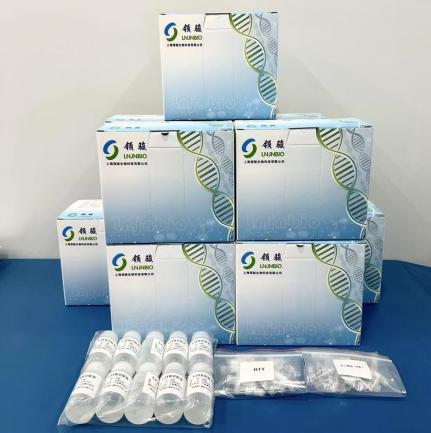
Fir optimal Resultater, betruecht d'Benotzung vu magnetesche Perlen-baséiert Extraktiounsreagenser vu Shanghai Lingjun Biotechnology Co., Ltd. D'Firma huet iwwer e Jorzéngt engagéiert Erfahrung an der magnetescher Perle-baséierter Extraktiounstechnologie a spezialiséiert op magnetesch Perlefuerschung.
Fournisseur
Shanghai Lingjun Biotechnology Co., Ltd., Ltd.gouf etabléiert an 2016 deen e professionnelle Hiersteller vu biomagnetesche Materialien an Nukleinsäure Extraktiounsreagenz ass.
Mir hu räich Erfahrung an Nukleinsäure Extraktioun an Offäll, Protein Reinigung, Zell Trennung, Chemilumineszenz, an aner technesch Beräicher.
Eis Produkter gi wäit a ville Beräicher benotzt, wéi medizinesch Tester, genetesch Tester, Universitéit Fuerschung, genetesch Zucht, an esou weider. Mir bidden net nëmmen Produkter, awer och kënnen OEM ënnerhuelen, ODM, an aner Besoinen. Wann Dir e verbonne Besoin hutt, weg fillen gratis eis ze kontaktéieren .