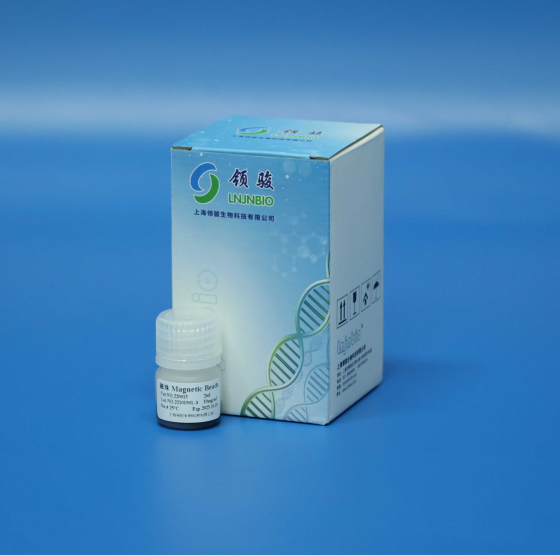
Fabricante profesional de perlas biomagnéticas


Los métodos comunes de detección de endotoxinas.
Los siguientes métodos se utilizan comúnmente para detectar el contenido de endotoxinas en plásmidos.:
1, Método de desarrollo del color del reactivo cangrejo herradura:
Este es un método de detección basado en el reactivo del cangrejo herradura. (Lisado de amebocitos liofilizado, LAL), El reactivo cangrejo herradura contiene el factor C., factor B, proteínas coagulasa, proteínas coagulasa, y otros componentes, bajo las condiciones apropiadas, La endotoxina activa el factor C., desencadenando una serie de reacciones enzimáticas, y finalmente activa las proteínas coagulasas para formar la enzima coagulasa., que descompone el agente revelador de color y produce p-nitroanilina amarilla (pNA, λmáx = 405 nm). La generación de pNA es proporcional a la concentración de endotoxina, de modo que la concentración de endotoxina en la muestra se puede detectar cuantitativamente..
2, Kit de detección de lisado celular deformado mediante método de criterio de valoración:
Este kit puede detectar con precisión el contenido de endotoxinas en las proteínas, péptido, o muestras de anticuerpos. La concentración de endotoxina en la muestra se mide mediante la señal de coloración generada en presencia de endotoxina., que se puede detectar a 405 nm en un marcador enzimático. Se crea una curva estándar usando la E. Estándar de endotoxina coli incluido en cada kit., y el nivel de endotoxina se calcula dentro 16-36 minutos (hasta 0.01 UE/mL) dependiendo de la sensibilidad deseada.
3, Método de desarrollo de color dinámico.:
En este método, lps (lipopolisacárido) activa la proenzima en el reactivo del cangrejo herradura, catalizando el desarrollo del color del sustrato cromogénico, y formando un producto amarillo. El aumento de la coloración amarilla se correlaciona positivamente con la concentración de LPS.
4, método fotométrico:
El método fotométrico se divide en los métodos de turbidez y de sustrato cromogénico.. El método turbidimétrico utiliza la detección de cambios de turbidez en el reactivo del cangrejo herradura y el proceso de reacción de endotoxinas y la determinación del contenido de endotoxinas.. El método del sustrato cromogénico utiliza la detección del reactivo del cangrejo herradura y el proceso de reacción de endotoxina de la coagulasa para hacer que el sustrato específico libere la cantidad de cromóforos y determine la cantidad de endotoxina..
5, Prueba semicuantitativa en gel:
Cuantificar la cantidad de endotoxina en el material de prueba determinando la concentración en el punto final de la reacción.. Este método cuantifica el contenido de endotoxinas en el artículo de prueba diluido y determina si el artículo de prueba cumple con los límites de endotoxinas especificados..
Proveedor
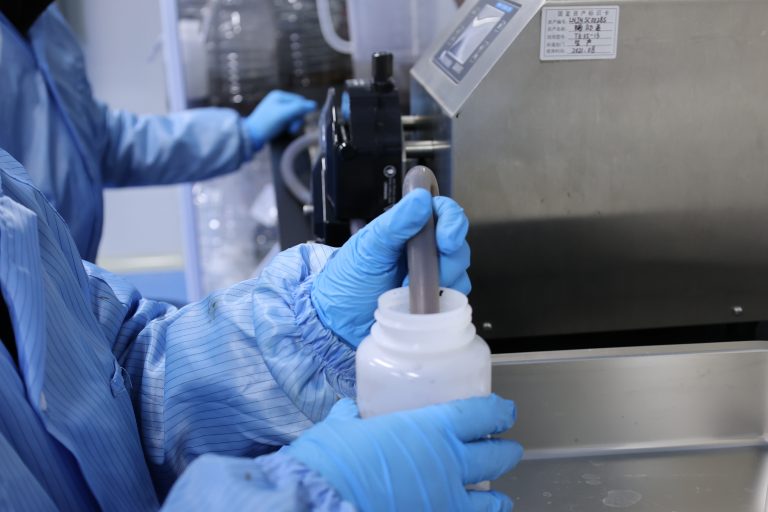
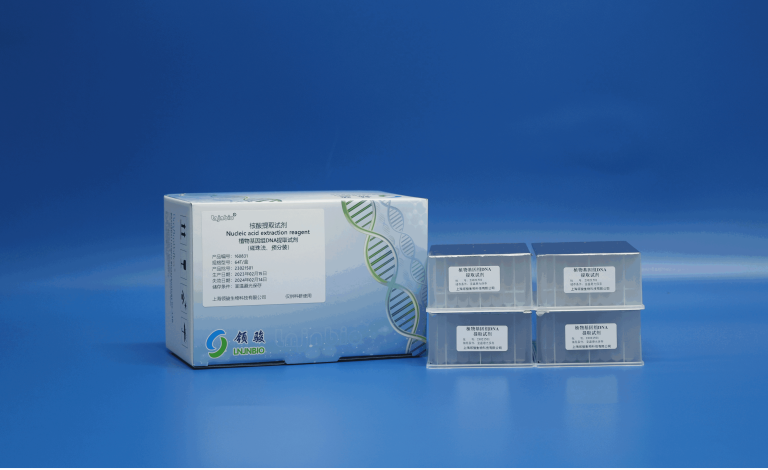
Shanghai Lingjun Biotecnología Co., Limitado.se estableció en 2016 que es un fabricante profesional de materiales biomagnéticos y reactivos de extracción de ácidos nucleicos..
Tenemos una rica experiencia en extracción y purificación de ácidos nucleicos., purificación de proteínas, separación celular, quimioluminiscencia y otros campos técnicos.
Nuestros productos son ampliamente utilizados en muchos campos., como pruebas médicas, pruebas genéticas, investigación universitaria, mejoramiento genético, etcétera. No solo proporcionamos productos sino que también podemos realizar OEM, ODM, y otras necesidades. Si tiene una necesidad relacionada, no dude en contactarnos enventas01@lingjunbio.com.